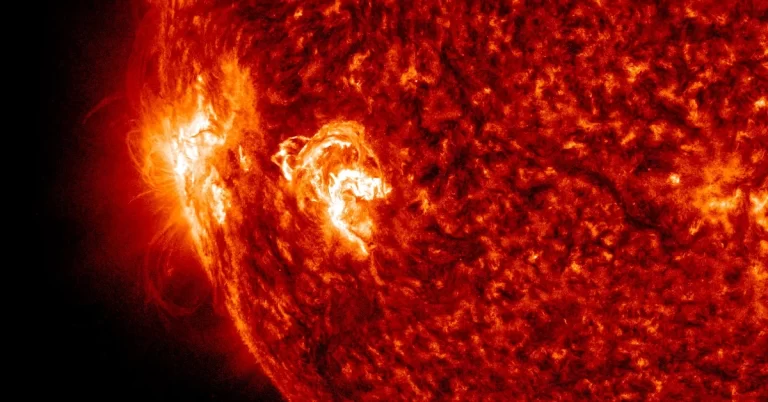
• X1.7 and long duration M6.6 solar flares erupt from Region 3664, solar radiation storm in progress

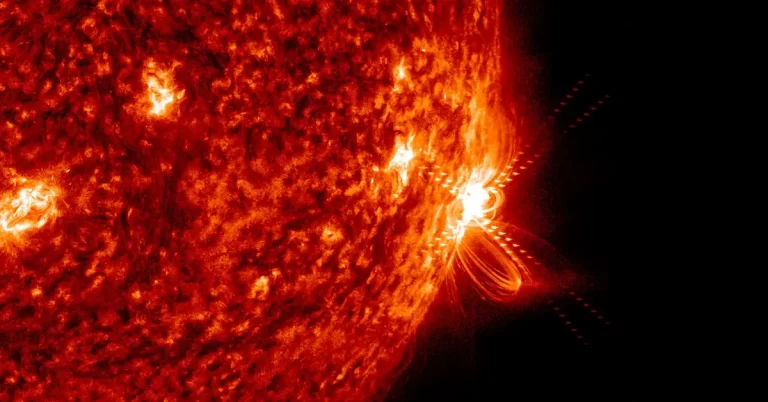
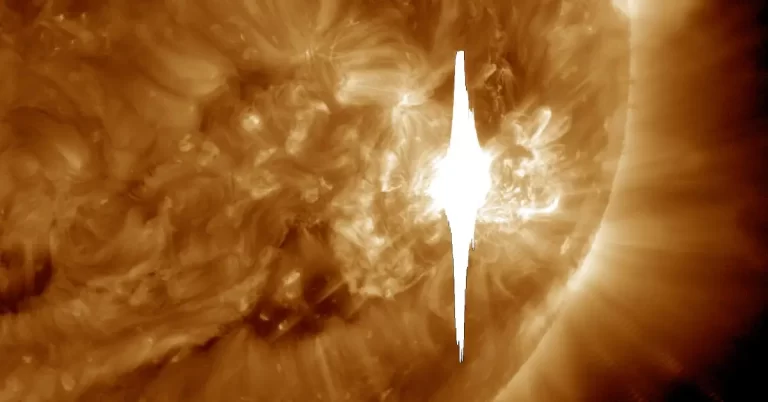
    Active Region 3664 — the source of numerous Earth-directed coronal mass ejections (CMEs) over the past 7 days — began its transit of the western limb on May 13, 2024. The region remains very active, producing a long-duration M6.6 flare on May 13, associated with a likely Earth-directed CME, and an X1.7 at 02:09 UTC on May 14. Meanwhile, a solar radiation storm is in progress due to activity associated with the same region.

  • G5 – Extreme geomagnetic storm following strong CME impact

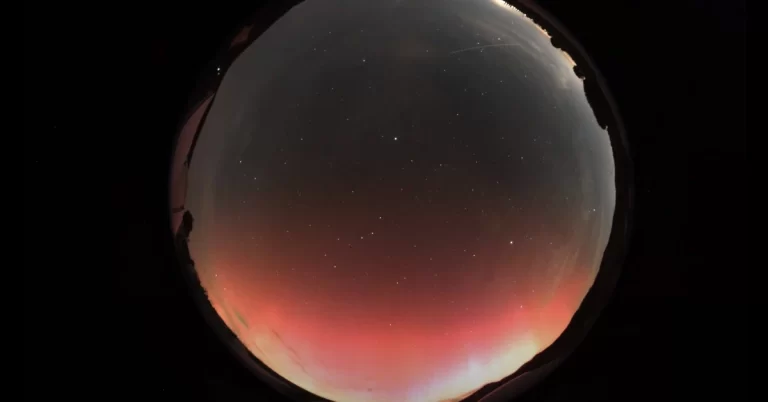
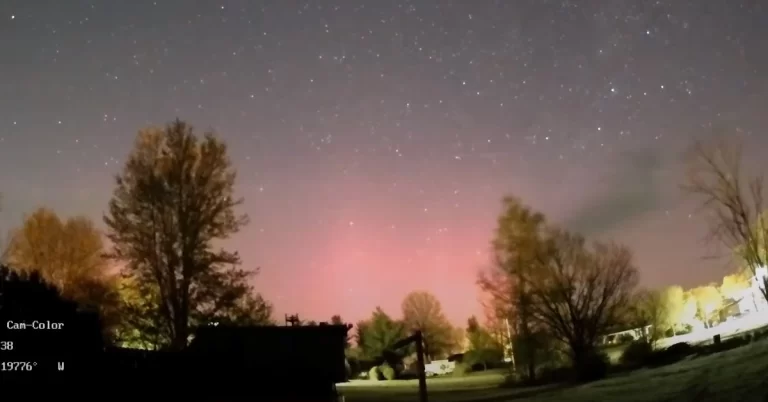
    The first of several incoming coronal mass ejections (CMEs) impacted Earth at around 16:56 UTC on May 10, 2024, rapidly increasing geomagnetic field levels from unsettled to G4 – Severe by 17:44 and to G5 – Extreme by 23:34 UTC — something we haven’t seen since 2003.

  • G2 – Moderate geomagnetic storm levels forecast as two more CMEs approach Earth

    Solar wind parameters in 24 hours to 00:30 UTC on April 17, 2024, continued to be enhanced by a passing coronal mass ejection (CME) which impacted Earth around 17:25 UTC on April 15 (launched from the Sun on April 12). Two more CMEs, produced on April 14 and 15, are expected to make a combined impact at around 00:00 UTC on April 18.

  • ESA’s SMOS and Swarm observe strongest geomagnetic storm since 2017

    The European Space Agency’s SMOS and Swarm satellites have, for the first time, successfully tracked a severe solar storm, following an X1.1 solar flare and a halo coronal mass ejection (CME) on March 23, 2024. The CME impacted Earth on March 24, producing a G4 – Severe geomagnetic storm — the strongest geomagnetic storm since September 2017.