• Global SAR arc outbreak: Geomagnetic storm leads to rare SAR arc sightings across the globe

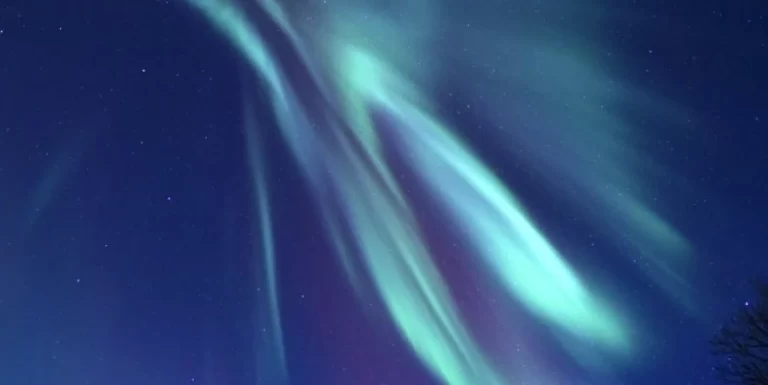
    On November 5, 2023, observers across the globe were treated to a striking light show, courtesy of a G3 – Strong geomagnetic storm. This solar event was powerful enough to push the typically high-latitude auroras into lower latitudes, with sightings as far south as Texas and Arizona in the United States, as well as in European countries like Italy and Greece. Sightings were also reported in Australia and New Zealand.

  • Geomagnetic storm reaches G3 – Strong level after dual CME impact

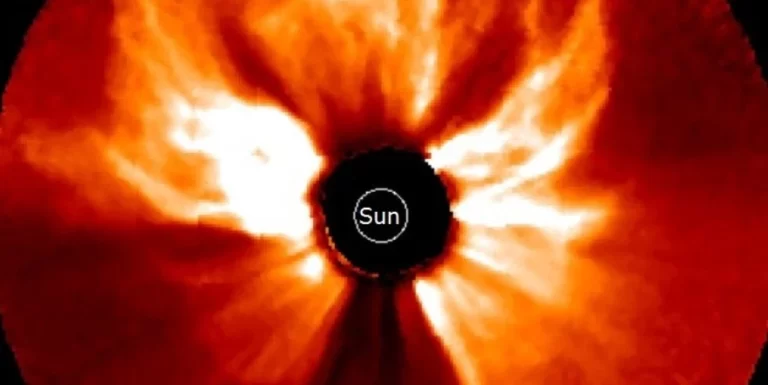
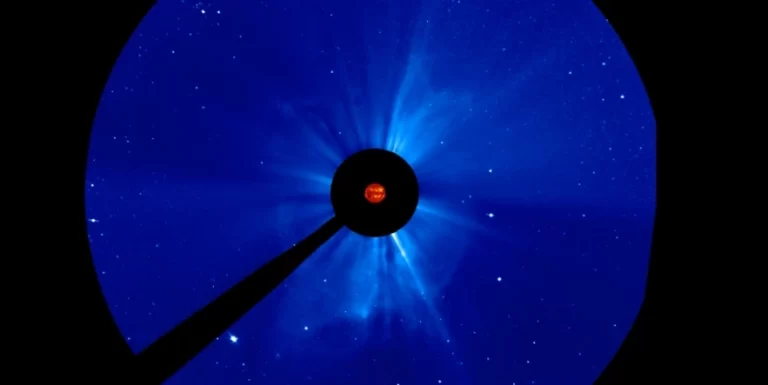
    A G3 – Strong geomagnetic storming was observed on Sunday, November 5, 2023, as a result of the impact of two successive coronal mass ejections (CMEs) from the Sun. The storm produced auroras extending into the lower latitudes such as Colorado and Texas in the United States and Greece in Europe, which is unusual for such regions. Many people across both hemispheres have also recorded and captured rare red aurora.

  • Unexpected G4 – Severe geomagnetic storm

    A combination of factors led to unexpectedly strong geomagnetic storm levels on Thursday, March 23, and Friday, March 24, 2023. The storm reached G3 – Strong levels at 14:49 UTC on March 23 and escalated to G4 – Severe at 04:04 UTC on March 24. The precise cause of this geomagnetic storm is still under investigation, but it is possible that coronal mass ejections (CMEs) from March 20 to 21 played a role.

  • G2 – Moderate geomagnetic storming due to CH HSS effects combined with CME

    Our planet is under the influence of a positive polarity coronal hole high speed stream (CH HSS) today, March 15, 2023, combined with an impact from the coronal mass ejection (CME) produced on March 10. G2 – Moderate geomagnetic storm threshold was reached at 05:59 UTC and the geomagnetic field is likely to reach G1 – Minor geomagnetic storming levels, with a chance for isolated G2 – Moderate periods on March 15 and 16 due to any flanking effects from CMEs produced on March 11 to 13.