
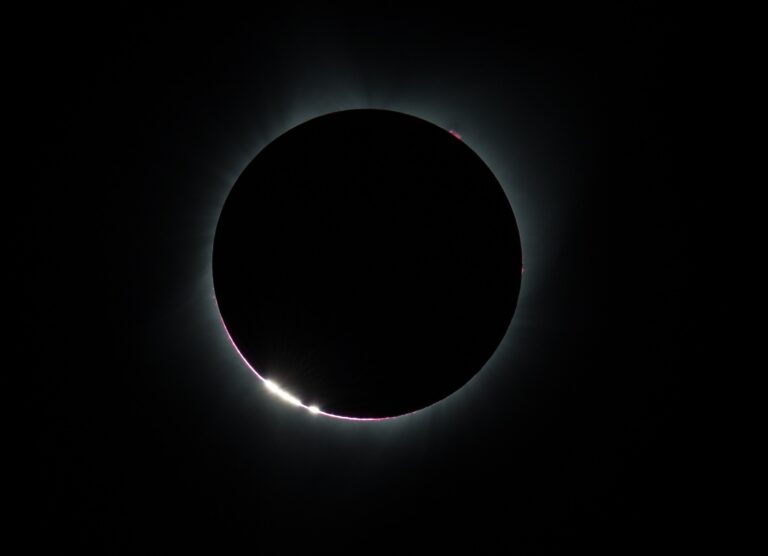
• Crescent-shaped damage in the left eye of a woman in her 20s who viewed the 21 August 2017 eclipse several times for about 6 seconds without glasses matched the blind spot she drew on an Amsler grid, Mount Sinai doctors reported.

    A woman in her 20s developed severe acute solar retinopathy in her left eye after viewing the solar rim several times for approximately 6 seconds without protective glasses during the August 21, 2017 eclipse. High-resolution imaging later showed that the shape of the retinal lesion corresponded to the absolute central blind spot she mapped herself, linking photoreceptor-level structural damage with the area where she could no longer see.
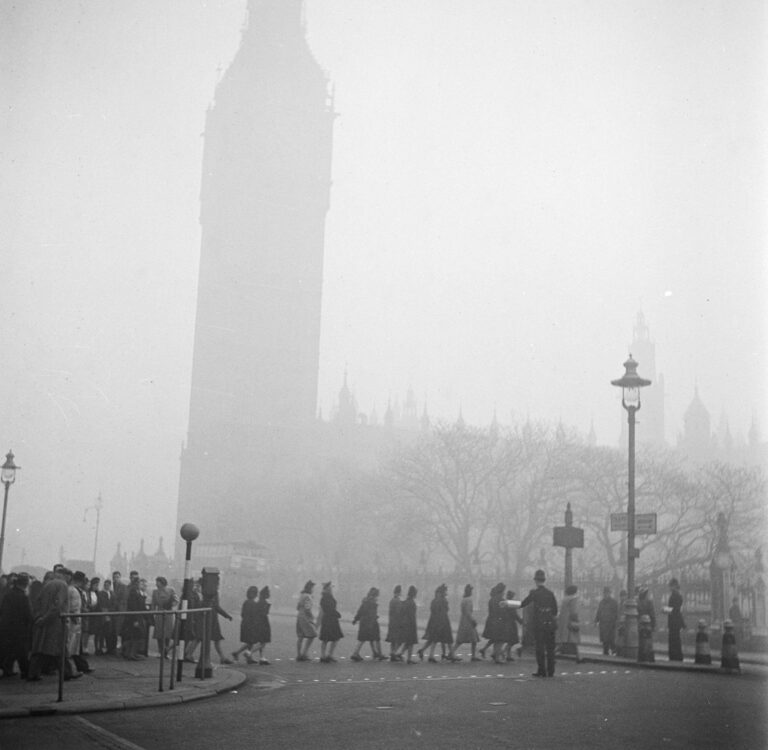
  • A fog linked to about 12 000 excess deaths in London in 1952 puzzled scientists for decades, until researchers reconstructed how coal smoke formed acidic haze

    London’s Great Smog of December 5–9, 1952 is associated with an estimated 12 000 excess deaths, but one part of the disaster remained unresolved for decades: how sulfur dioxide from coal smoke could be converted rapidly enough into sulfate and sulfuric acid under the conditions over the city. A 2016 study combining laboratory experiments with measurements from polluted air in China identified aqueous oxidation of sulfur dioxide by nitrogen dioxide as a pathway capable of explaining that missing chemistry.

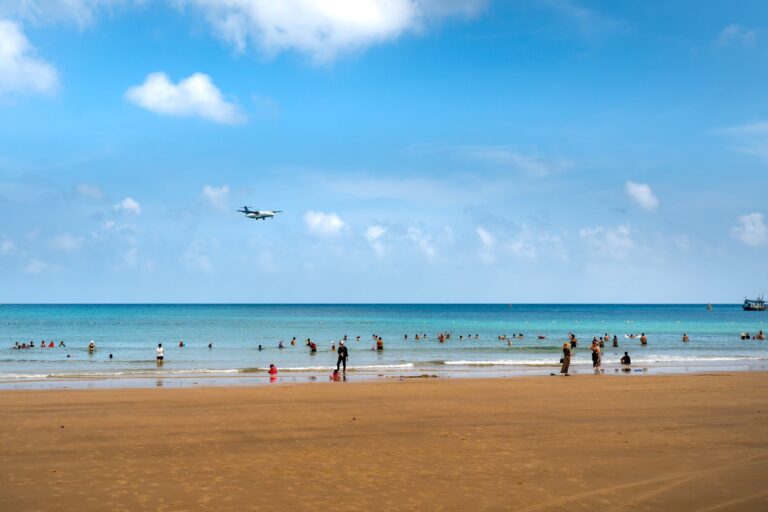
  • On December 26, 2004, a 10-year-old British girl on a Phuket beach recognized the frothing sea from a recent geography lesson, and her warning helped clear the beach before the tsunami struck

    After a classroom video about a 1946 tsunami, Tilly Smith saw the same white froth on Mai Khao Beach. The minutes that followed depended on whether the adults around her would listen.
