• Hydrogen sulfide emissions off Namibia coast

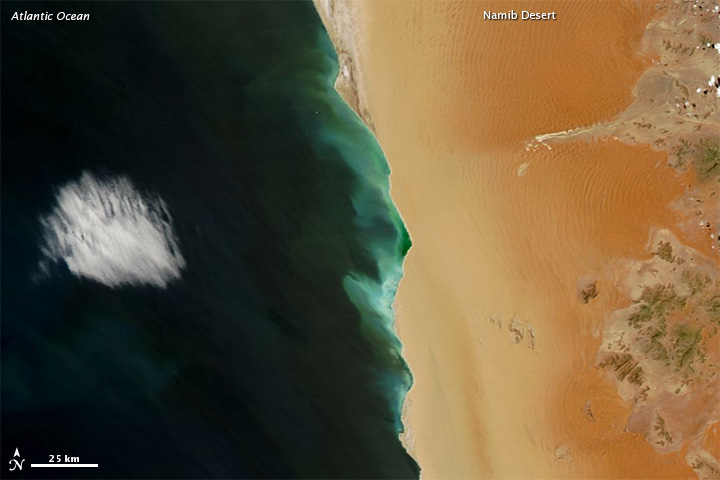
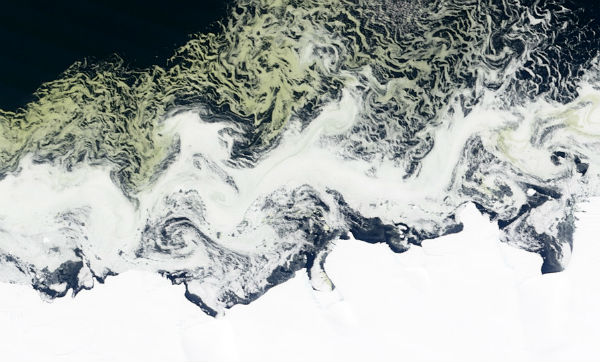
    Namibian coast was tinted with pale green water in late February 2012. The Namibian Coast has the most intense upwelling of fertile deep-ocean water in the world. Hydrogen sulfide gas is emitted periodically along Namibian coast due ocean currents that carry

  • Big ocean fish in peril – decrease in fish population

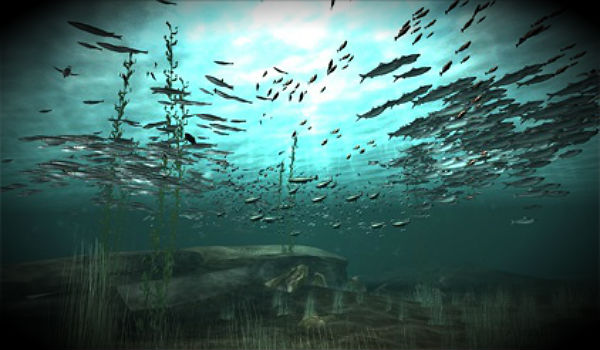
    Over-exploitation of the world’s fish resources has caused serious decline in fish populations, and there is widespread concern that the world oceans will be unable to supply fish products for future generations. Given the importance of marine fisheries for food

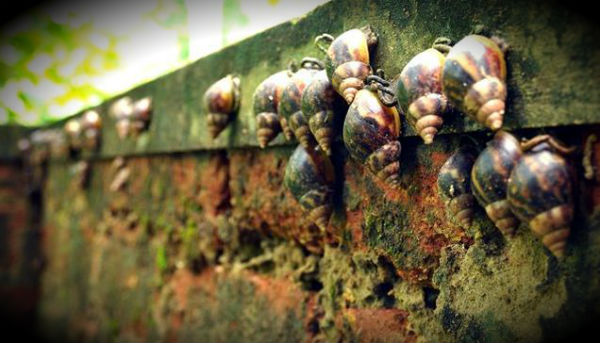
  • The invasion of African giant snails in Florida, US

    Southern Florida is in a panic over potential crop damage and plant diseases. The reason for this are the slimy gastropods. The US and Florida departments of agriculture have mobilized 34 agents to battle the invasion of African giant snails, up to 20 centimeters

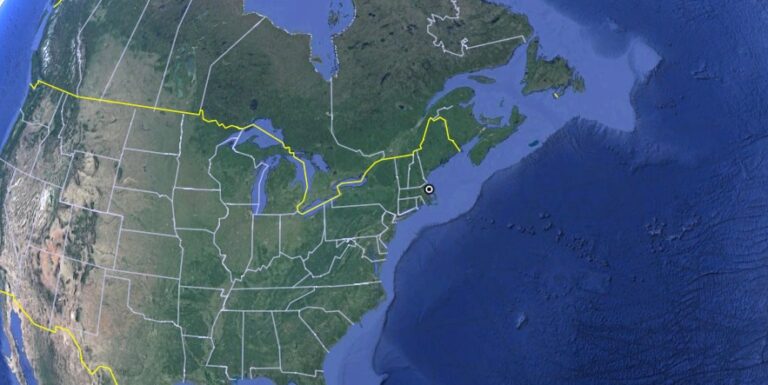
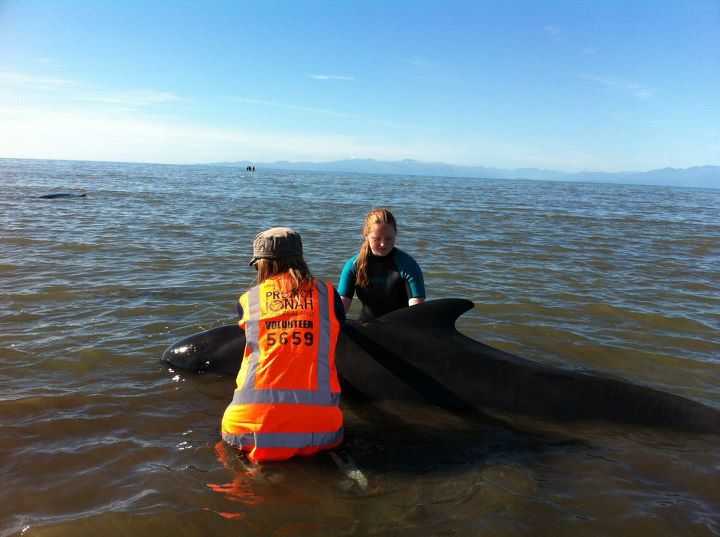
  • The largest stranding of dolphins on record in the Northeast U.S

    The largest stranding of a single species on record in the Northeast Region of the U.S. is taking place right now. As of today, 129 common and Atlantic white sided dolphins stranded on Cape Cod beaches. International Fund for Animal Welfare (IFAW) reported that with

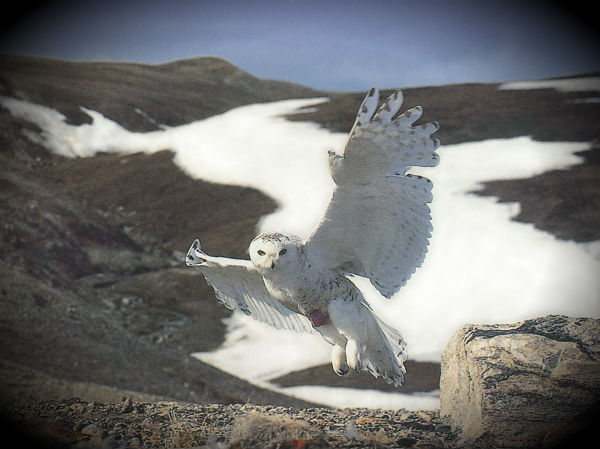
  • Mass migration of snowy owls from the Arctic

    Thousands of snowy owls from the Arctic have been spotted from coast to coast, in Idaho, Montana,  Missouri and Massachusetts. Owl experts say the phenomenon is likely linked to lemmings, a rodent that accounts for 90 percent of the diet of snowy owls during

  • Scientists predict major shifts in Earth’s ecosystems

    Researchers from NASA’s Jet Propulsion Laboratory and the California Institute of Technology in Pasadena, Calif., investigated how Earth’s plant life is likely to react over the next three centuries as Earth’s climate changes in response to rising levels of