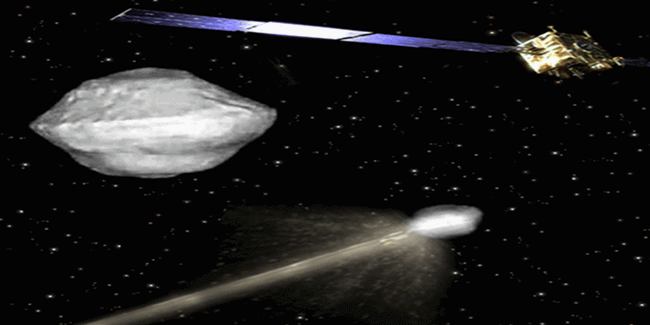
• ESA mulling over an ‘Asteroid deflection mission’, seeks ideas

    The thought of asteroid impact on Earth is intimidating – one that’s connected with catastrophic devastation in past and have always been a hot topic for fictional stories. Though space agencies are continuously watching the sky in search of potential future impact

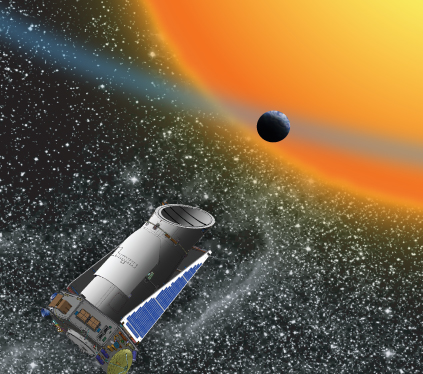
  • NASA’s Kepler telescope finds four planets in ‘habitable zone’

    In a continuing hunt for Earth-like planets, NASA’s Kepler space telescope recently announced the discovery of four potential new planets in their Sun’s “habitable zone” among 461 planet candidates discovered by the telescope. These four potential new planets are

  • LEON – microchips designed by ESA for future space missions

    In an attempt to become self-reliant, ESA designed LEON series microprocessor chips for their future space missions. Engineered to operate within spacecraft computers, withstand extreme conditions during launch and in space, manufacturing was done Atmel in France

  • NASA considering an ‘asteroid return mission’

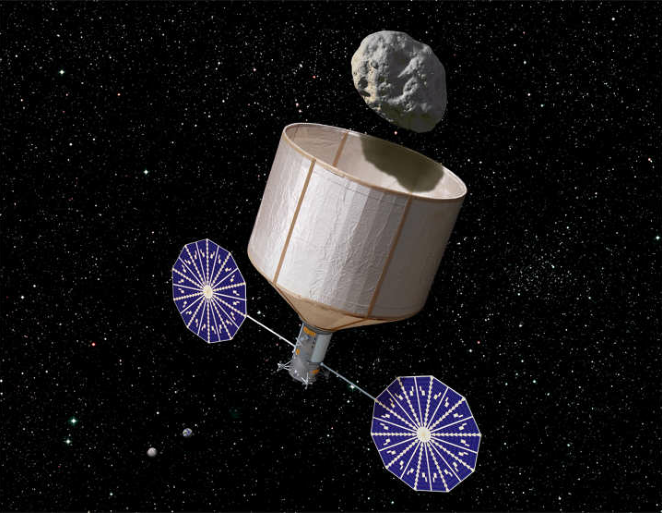
    We have seen wonders of NASA in past; Curiosity rover’s rendezvous for instance, was really a thrilling experience not only for NASA; but for science enthusiasts all over the world. Sources say NASA is now considering a plan for an “Asteroid return mission” to drag a

  • NASA plans to search for signs of life on Jupiter’s moon Europa

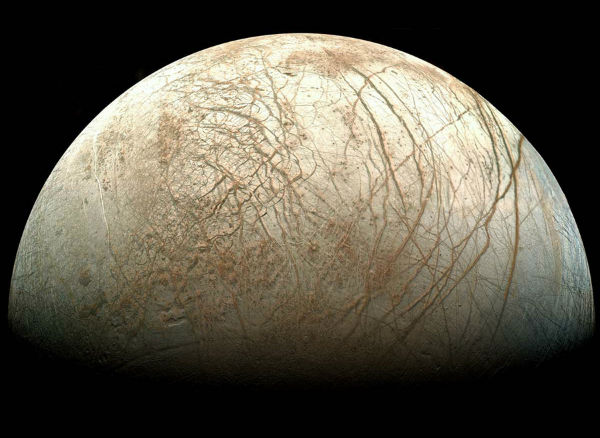
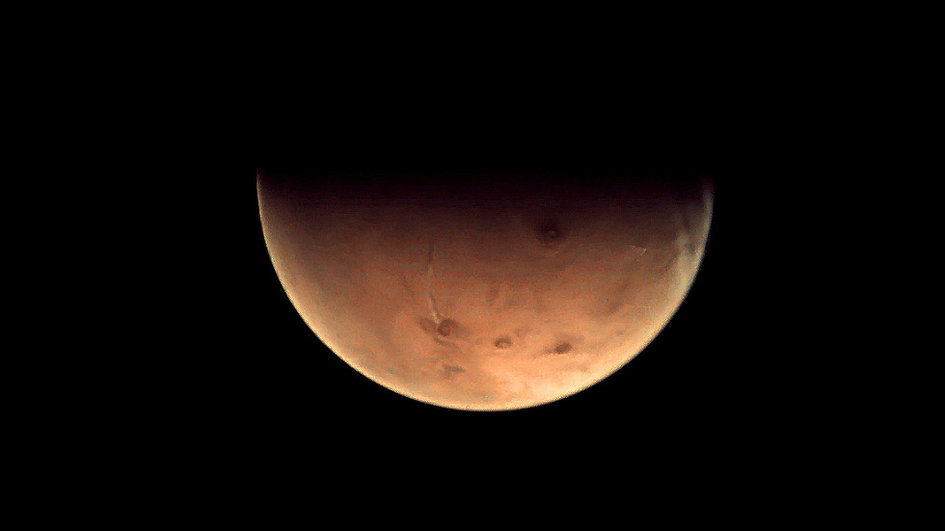
    Early in December NASA officials announced that they plan to launch a $1.5 billion rover to Mars in 2020. NASA investigates the possible habitability of Europa, Jupiter’s fourth-largest moon. One concept that may be gaining traction is a so-called “clipper” probe

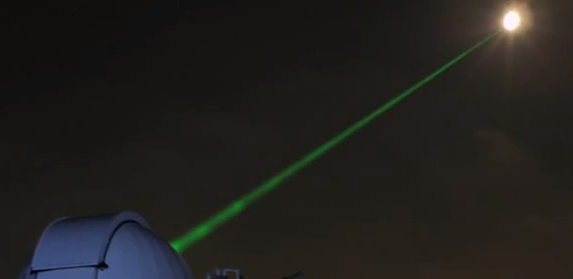
  • First data acquired by new ESA’s deep space tracking station

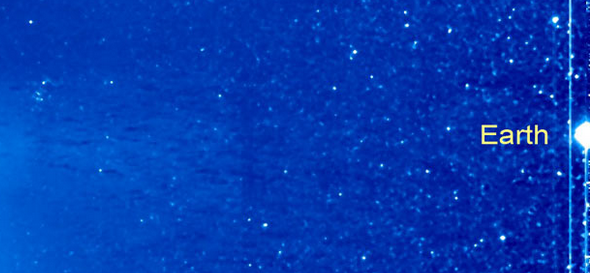
    ESA’s new deep-space tracking station (DSA 3) in Malargüe, Argentina received its first image on December 18, 2012. This image was selected as the symbolic ‘first data’ to be downloaded by DSA 3 and it marked its inauguration to service.The image was captured on

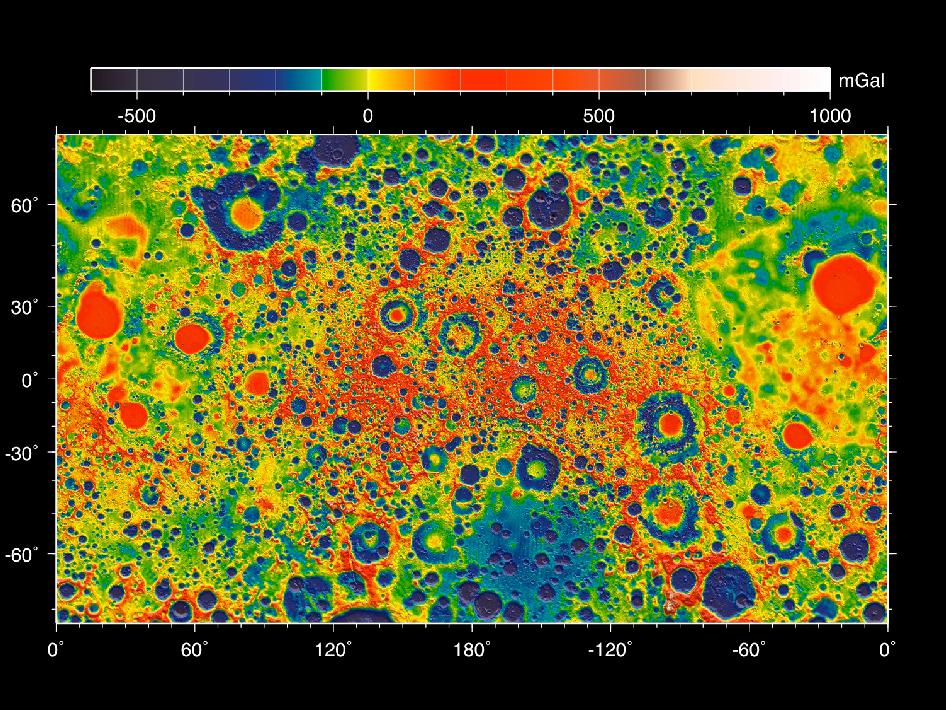
  • NASA’s GRAIL mission brings most accurate moon gravity map

    Gravity field map of the moon generated by GRAIL probes boosts Giant impact hypothesis, which states that the Moon was formed out of the debris left over from a collision between the Earth and a body the size of Mars, about 4.5 billion years ago. This new map is also

  • New satellite views of Earth by night

    The Earth never sleeps. The night is nowhere near as dark as most of us think. In fact, Earth is never really dark; it twinkles with lights from humans and nature. Away from human settlements, light still shines – wildfires and volcanoes rage, oil and gas wells burn