• Swift satellite discovers rare X-ray Nova and a black hole

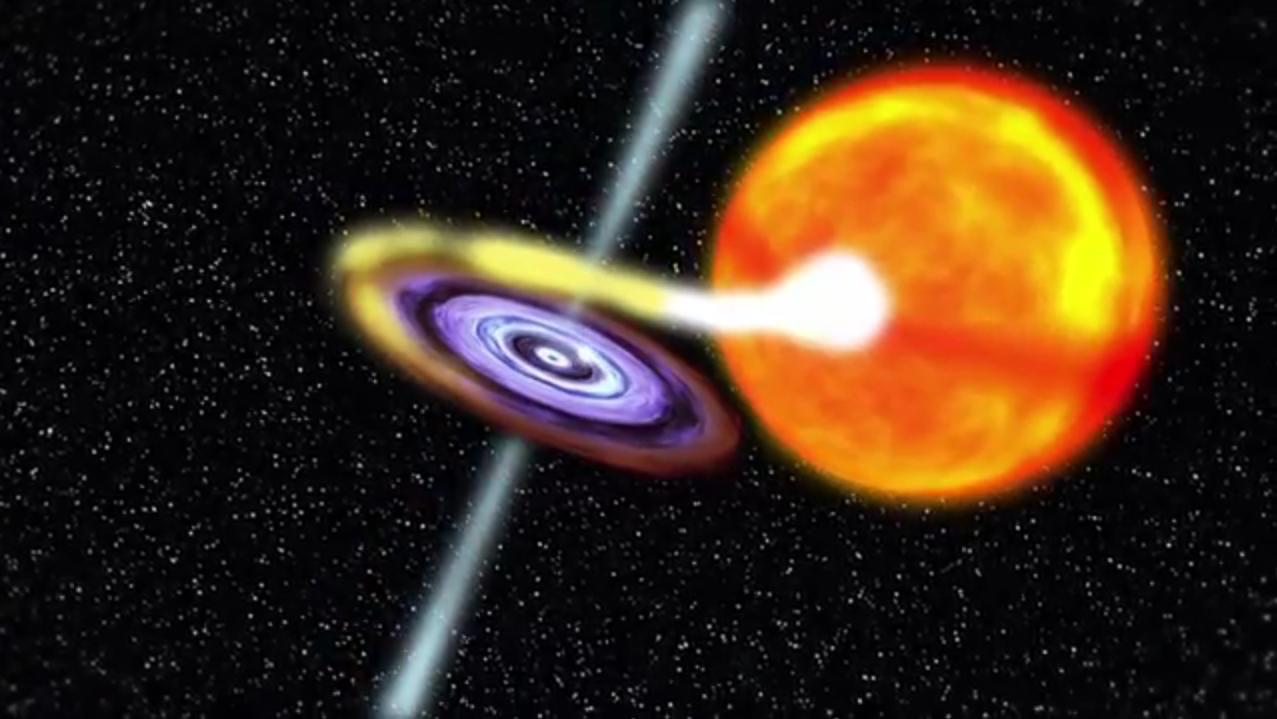
    NASA’s Swift satellite has discovered a stellar-mass black hole toward center of our Milky way galaxy. With its advantageous X-rays detection ability, Swift found a rare Nova as a result of high energy X-ray outburst in mid-September; leading to discovery of black

  • GOES satellites changed positions in space

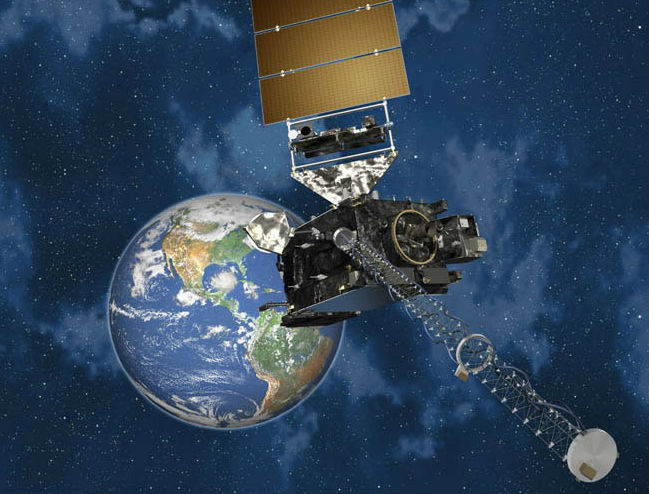
    The U.S. National Oceanic and Atmospheric Agency (NOAA) on Sept. 24 said it has moved a spare geostationary weather satellite, GOES-14, into position to replace the GOES-13 satellite that suffered an unexplained outage Sept. 23 that engineers have been unable to

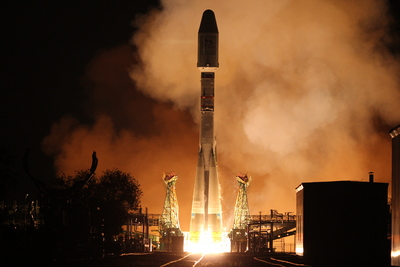
  • ESA’s new weather satellite started sending data

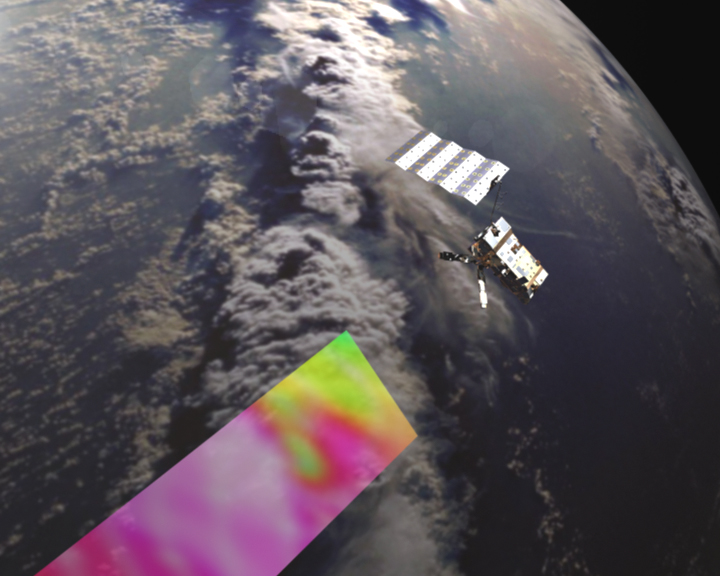
    ESA’s weather satellite Metop-B in Metop series launched on 17th September is performing well in its polar orbit. ESA’s recent press release states that satellite on its way towards replacing the ageing Metop-A as prime operational satellite in polar orbit, after

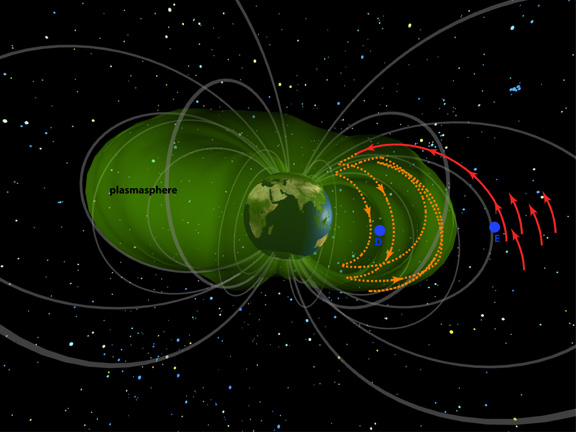
  • “Earth’s Chorus” captured by NASA’s RBSP spacecraft [VIDEO]

    The ‘chorus’ phenomenon is well known by scientists, which is a cluster of brief, rising-frequency tones that sound like the chorus of birds singing at sunrise. Energetic particles in the magnetosphere emit radio waves that are audible to humans. Recently launched

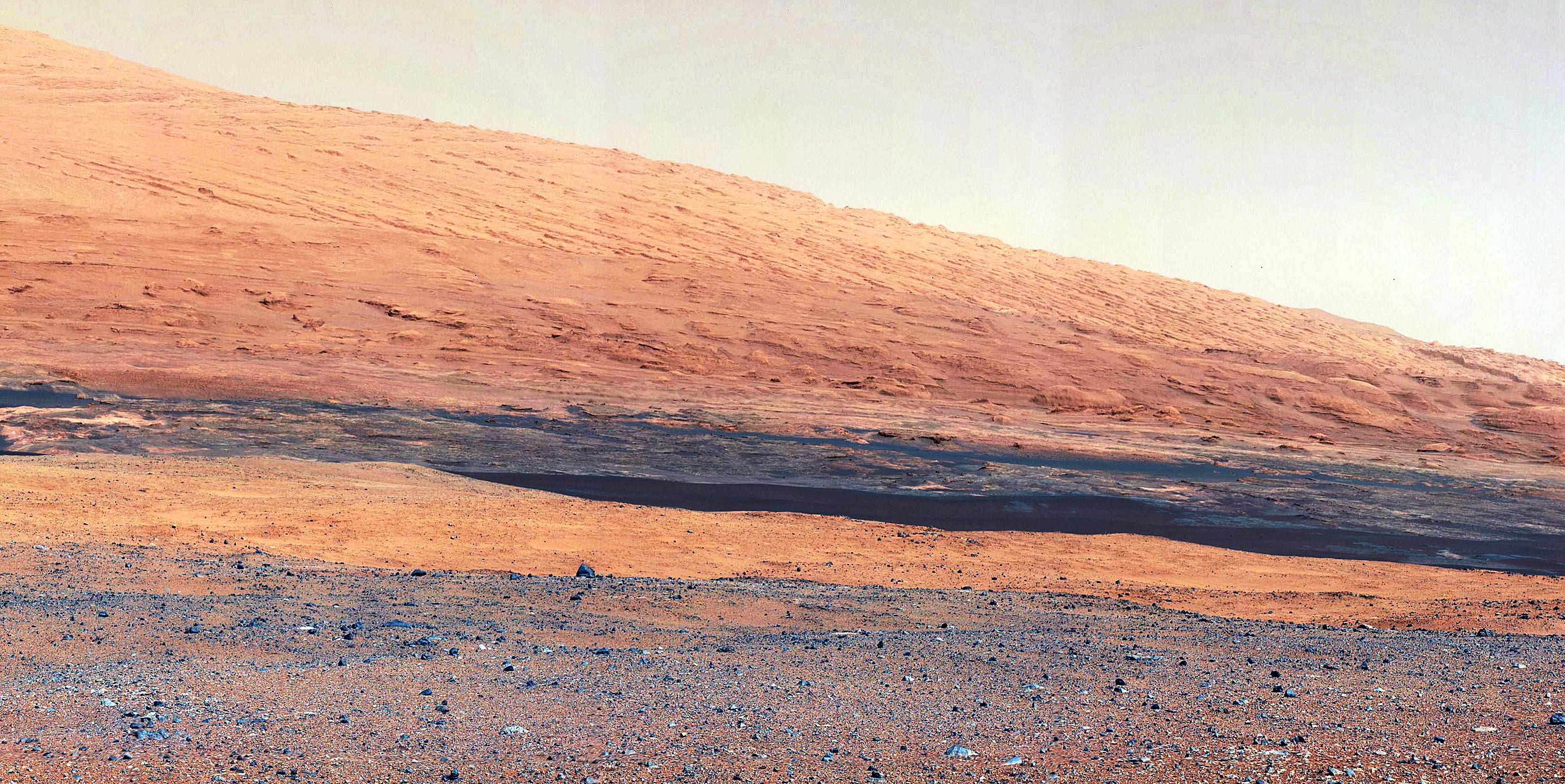
  • Just how cold is Mars?

    Temperature on mars is cooler than what it might appear in those high-resolution pictures sent by curiosity. Weather station data aboard Mars Science Laboratory reveals that desert-like terrain of Gale crater which resembles barren lands of American southwest, is

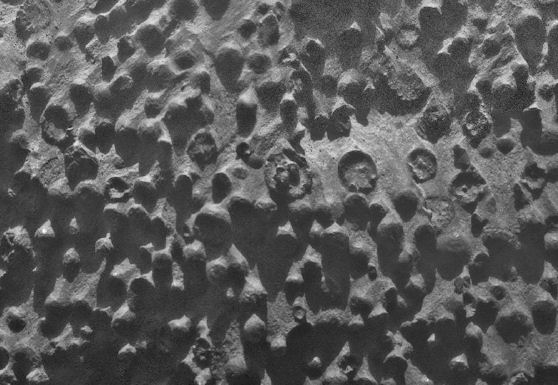
  • Newly photographed Martian spheres pose mystery for scientists

    In July 1965, Mariner 4 – NASA’s first spacecraft to fly by Mars – sent back its first images to Earth. Since then, dozens of spacecraft have been sent to explore the cold red planet. Consistently, the planet has raised far more questions than answers. In 1996,

  • Mars express captures possible traces of water

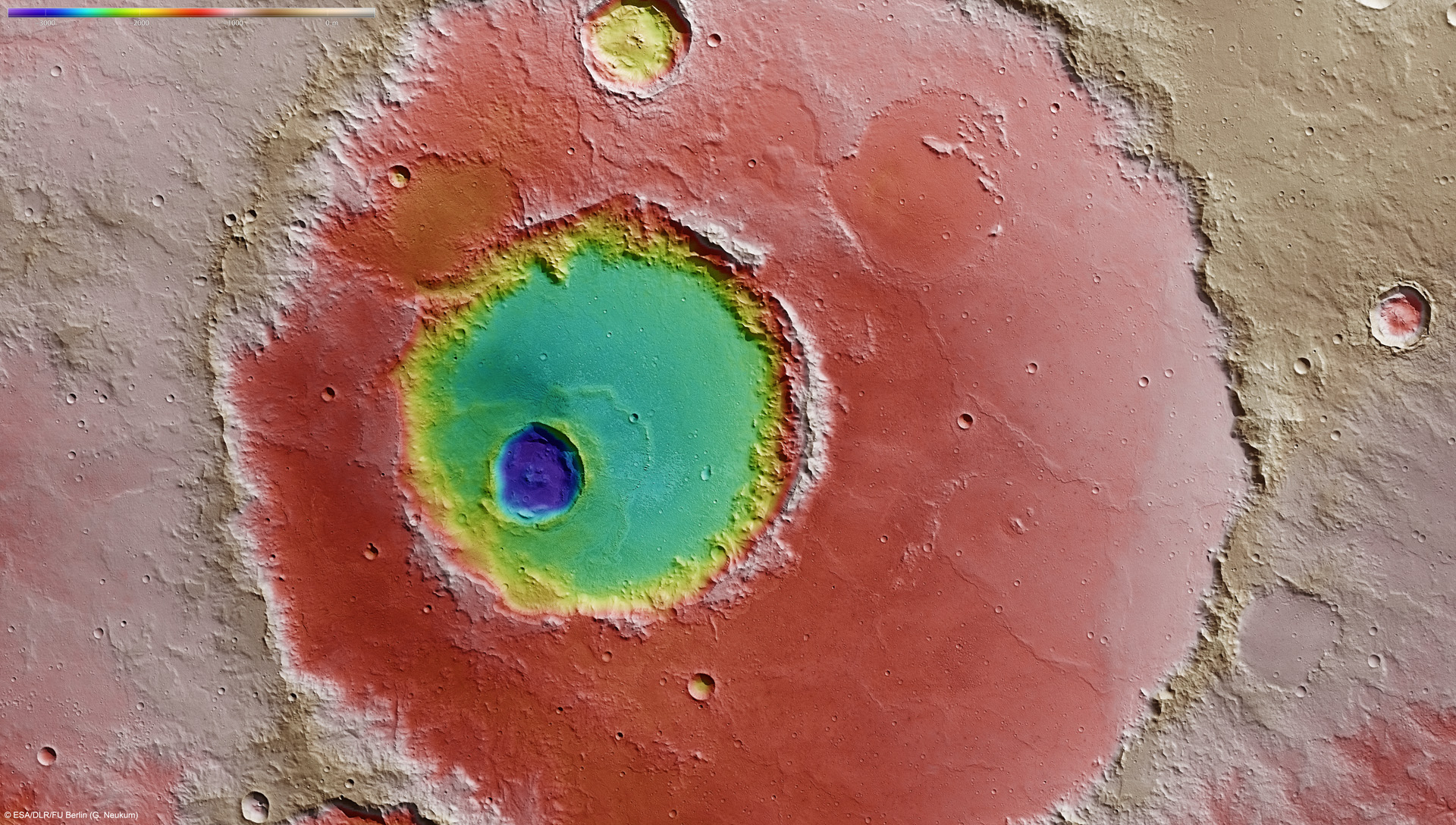
    ESA’s Mars Express spacecraft captured images of 120 km wide Hadley Crater which revealed there has been several subsequent impacts within the crater leading to formation of further craters, that are up to 2600 m deep than surrounding surface.  This observation has

  • Jupiter hit by a fireball

    There has been a visual sighting of an apparent fireball on Jupiter on September 10, 2012. The amateur who observed the flash was Dan Petersen, from Oregon, who made the observation at approximately 11:35 UTC on September 10. Petersen reported it to Richard Schmude…