• Fermi proves supernova remnants produce cosmic rays

    A new study using observations from NASA’s Fermi Gamma-ray Space Telescope reveals the first clear-cut evidence that the expanding debris of exploded stars produces some of the fastest-moving matter in the universe. This discovery is a major step toward meeting one of

  • Spitzer space telescope observations reveal unusual infant binary star

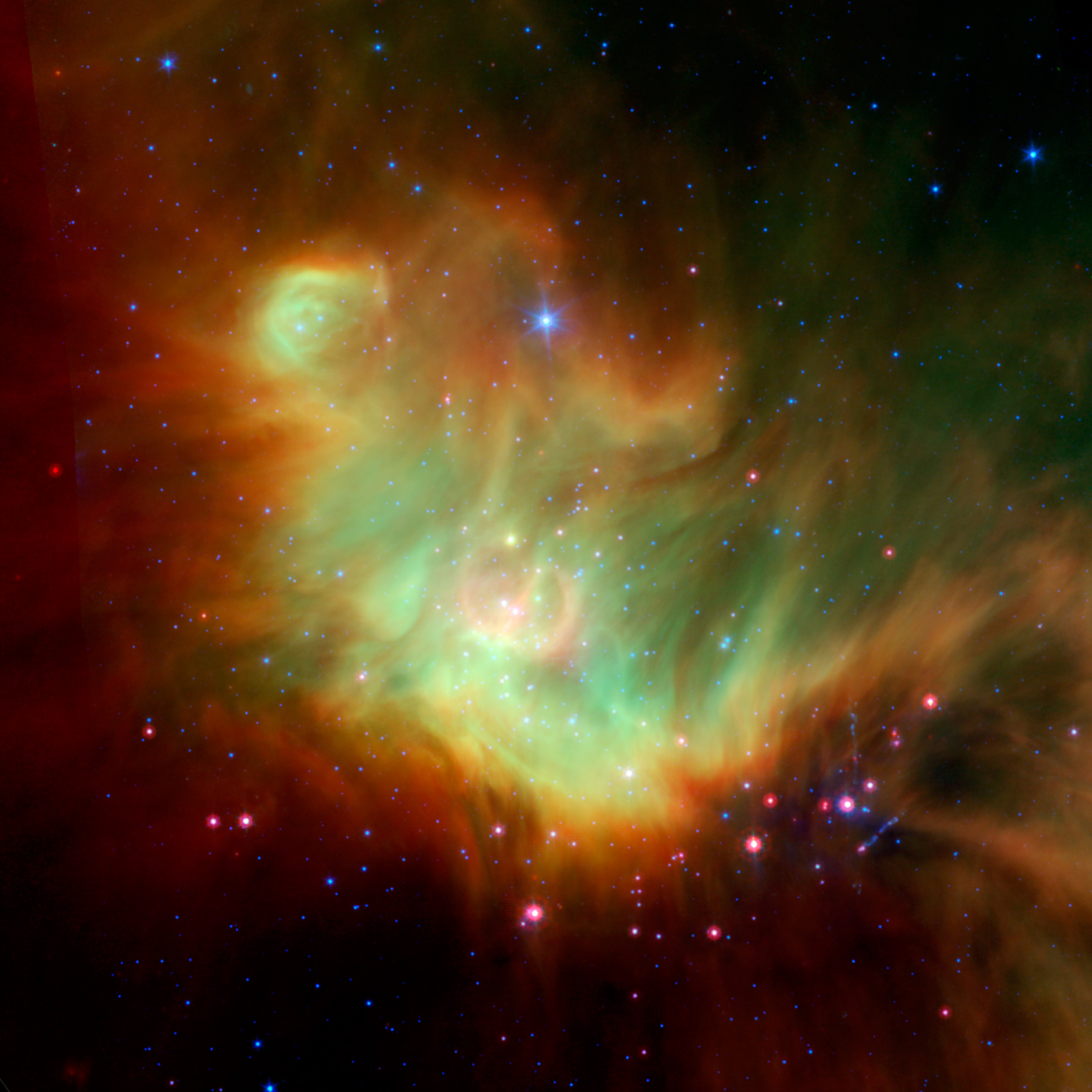
    NASA’s Spitzer space telescope observed a rare phenomenon – an infant binary star behind a dense disk and envelope of dust 950 light-years away from Earth flashes at regular intervals. NASA report published on February 7, 2013 says such phenomenon has been observed

  • Sea Launch Rocket fails during liftoff

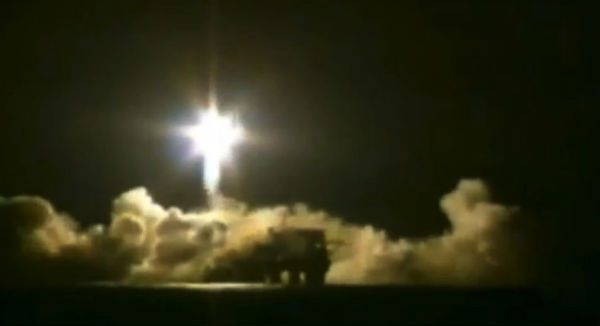
    A commercial Sea Launch rocket failed 40 seconds after liftoff from its floating launch platform in the Pacific Ocean on February 1, 2013 destroying the Intelsat IS-27 telecommunications satellite. Sea Launch already experienced one failure in January 2007.Sea Launch

  • Venus Express reveals new facts about Venus’ ionosphere

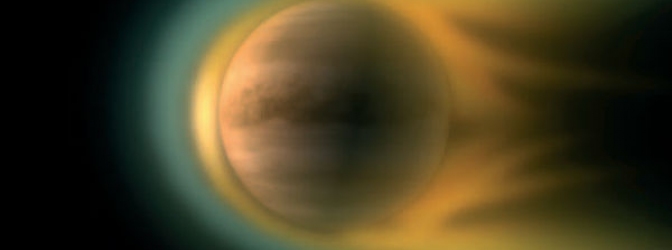
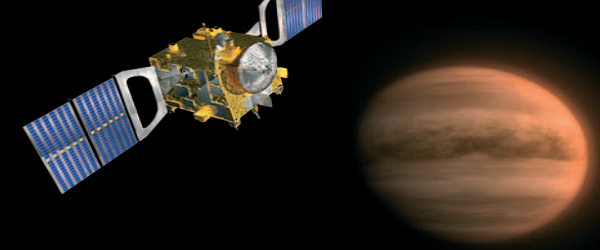
    On January 29, 2013, ESA revealed observations made by the spacecraft in August 2010, when it studied the effect of reduced solar wind on planet's ionosphere. Researchers found that planet’s ionosphere ballooned outward on the planet’s…

  • Iran successfully sends a monkey to space and back

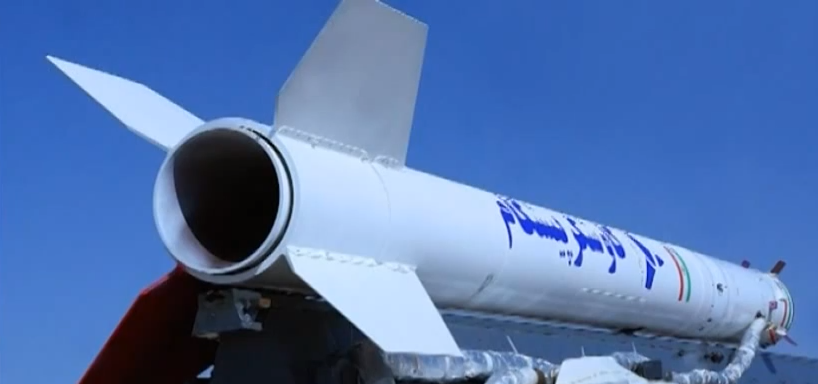
    According to country’s media outlets Iranian Defense Ministry’s aerospace department issued a statement on January 28, 2013 confirming that Iran had “successfully launched a capsule, code-named Pishgam (“Pioneer”), that contained a monkey.” The statement said the

  • A day in the life of Venus

    ESA’s Venus Express spacecraft orbited at 66 000 km above the Venus south pole and captured bright and dark cloud bands wind around the poles of Venus, staring down into the south polar vortex. Venus Express has been orbiting the planet since 2006. It carries seven

  • Meteosat-10 takes over from Meteosat-9

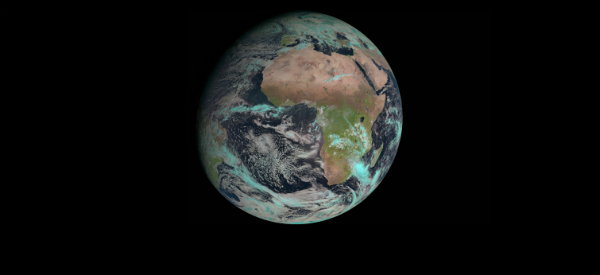
    Launched on 5 July, Meteosat-10 is the latest satellite in the Meteosat Second Generation (MSG) series, which provides operational weather and climate monitoring services over Europe and Africa.In April 2013, Meteosat-9 will take over the Rapid Scanning Service (RSS)