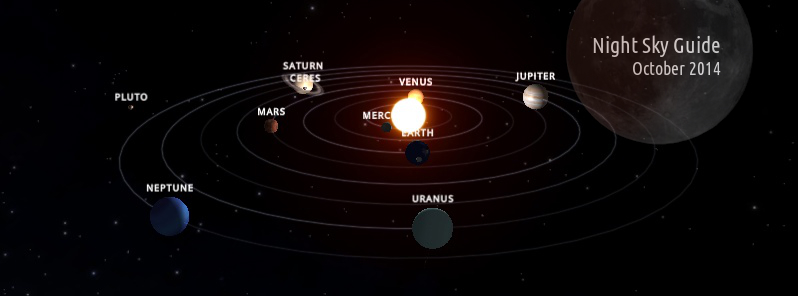
• Night sky guide for October 2014

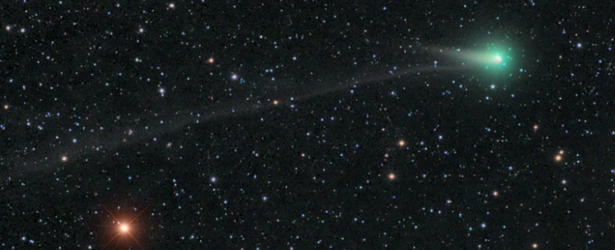
    A total lunar eclipse will be visible on October 8 throughout most of North America, South America, Asia, and Australia. The Moon will gradually get darker and then take on a rusty or blood red color. It is the latter of two total lunar eclipses in 2014, and the second

  • Night sky guide for September 2014

    The Moon will be well placed for observation in the evening sky on September 2. It will place itself directly opposite the Earth from the Sun on September 9 at 01:38 UTC and will be fully illuminated – this full moon is known as Full Corn Moon and the Harvest Moon. On t

  • Two brightest planets in the Solar System converge

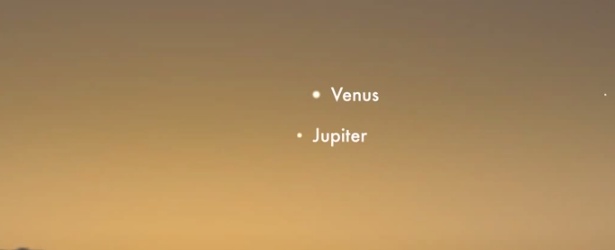
    Two brightest planets in the Solar System – Venus and Jupiter – are joining together for a beautiful early morning view. The show started on August 15 with Venus and Jupiter little more than 2 degrees apart. These two worlds haven’t paired so c

  • The sky is full of Perseids

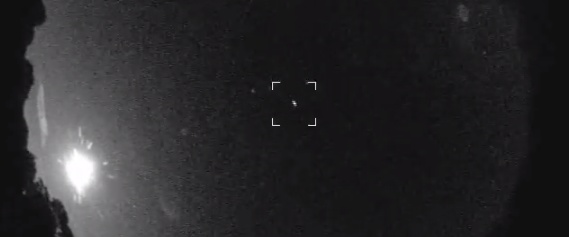
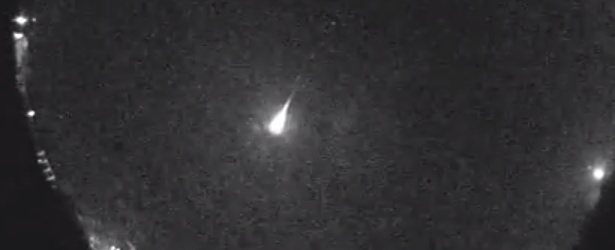
    This video is a compilation of Perseid meteors seen by the NASA All Sky Fireball Network on the night of August 12-13, 2014. Even if you missed the peak show last night there is still time, just head out when it gets dark and enjoy. The rates are sharply

  • Night sky guide for August 2014

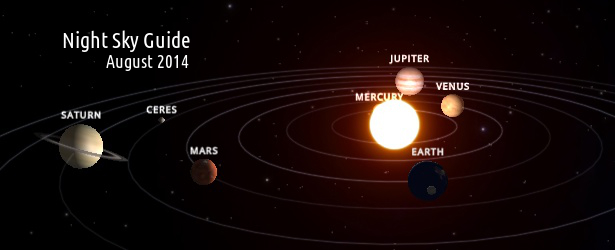
    Late July and early August can be one of the best times of the year to observe meteors, weather permitted. This is because there are several minor meteor showers emanating from the adjacent constellations of Capricornus and Aquarius. However, the closest and the largest

  • Supermoon vs Perseid meteors

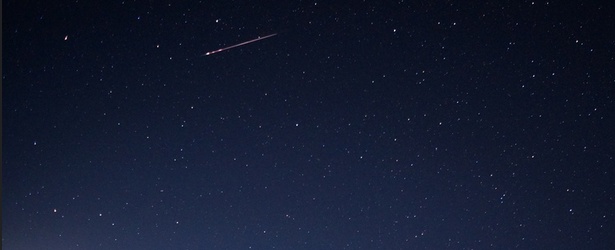
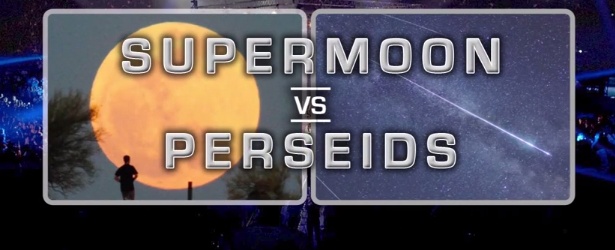
    During the second week of August, the biggest and brightest full Moon of the year will face off against everyone's favorite meteor shower – Perseids – and the outcome could be beautiful.On August 10, 2014, just as the Perseids are set to peak, the Moon wil

  • Night sky guide for July 2014

    July is the month when meteor activity starts to increase and continues into August. Several minor meteor showers during July and average Delta Aquarids on July 28/29 will introduce us to Perseids (August), one of the strongest meteor displays of the year