
The sky is full of Perseids
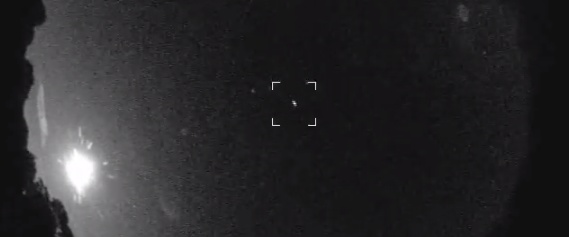
Image credit: TW
This video is a compilation of Perseid meteors seen by the NASA All Sky Fireball Network on the night of August 12-13, 2014. Even if you missed the peak show last night there is still time, just head out when it gets dark and enjoy. The rates are sharply reduced this year because of the glare from the waning supermoon but it is still a significant shower.

The Perseids are a prolific meteor shower associated with the comet Swift–Tuttle. The name derives in part from the word Perseides, a term found in Greek mythology referring to the sons of Perseus.
The shower is visible from mid-July each year, with the peak in activity between August 9 and 14, depending on the particular location of the stream. During the peak, the rate of meteors reaches 60 or more per hour. They can be seen all across the sky; but, because of the path of Swift-Tuttle's orbit, Perseids are primarily visible in the Northern Hemisphere.
Last night, Amir H. Abolfath caught this Perseid fireball streaking across the moonlit skies of Tehran, Iran:

Perseid meteor taken by Amir H. Abolfath on August 13, 2014 @ Jaban, Tehran, Iran (via SpaceWeather)
- See more images of this meteor shower in SpaceWeather's real-time meteor gallery.
Video courtesy of NASA/MSFC/Danielle Moser

The Watchers team and our contributors bring the latest on extreme weather, earthquakes, volcanic eruptions, space weather, and all things science. We're all about making sense of the natural world and keeping you informed on what’s happening. Got a tip or a question? Hit us up using the form at newstips!
Published in the last 24 hours
- A Virginia park ranger was struck by lightning seven times and lived, even though three of the strikes set his hair on fire Epicenter
- The hole in the ozone layer over Antarctica was about twice the size of the US this year, and scientists say it would have been bigger still if ozone-eating chemicals were at their 2000 levels Epicenter
