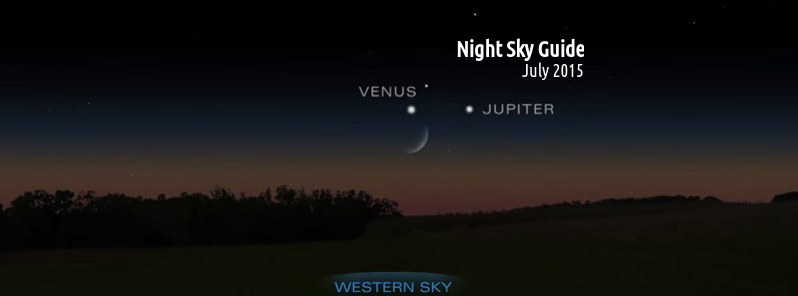
• Night sky guide for July 2015

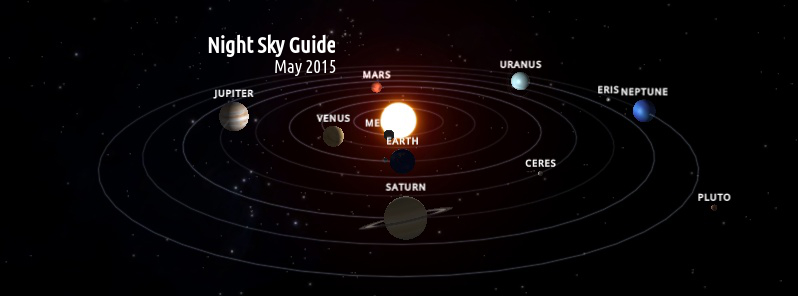
    A spectacular conjunction of Venus and Jupiter will be visible on July 1 with the two planets appearing extremely close, only 0.3 degrees apart.Several weak meteor showers this month will set stage for Perseids, one of the most popular annual meteor showers expected to
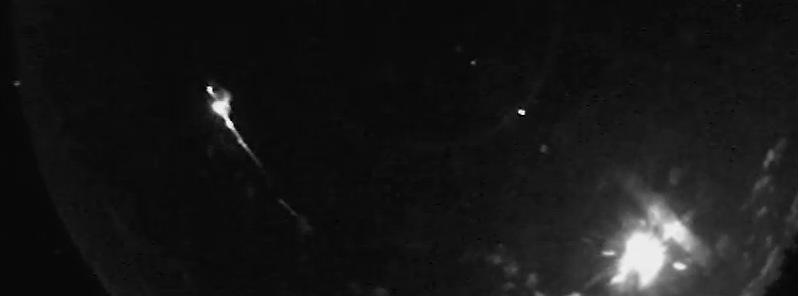
  • Fiery space debris re-entry recorded over Southeastern US

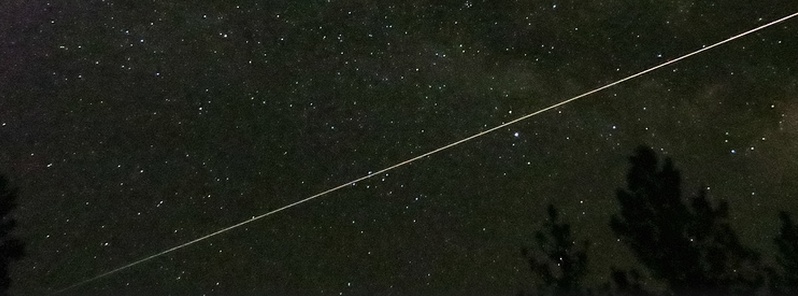
    A bright fiery object was observed traveling almost horizontally over Southeastern United States around 05:30 UTC on June 29, 2015 (01:30 EDT). The object was visible for more than 45 seconds and was described by many as having multiple colors and breaking up in pieces.

  • Night sky guide for June 2015

    There are no major showers active in June. Weak Ophiuchids will peak on June 20 with the maximum rate of meteors expected to be visible from a dark location around 5 per hour (ZHR). The Moon will be 4 days old at the time, and as such will present minimal interference.F

  • Eta Aquarid meteor shower peaks – May 5/6, 2015

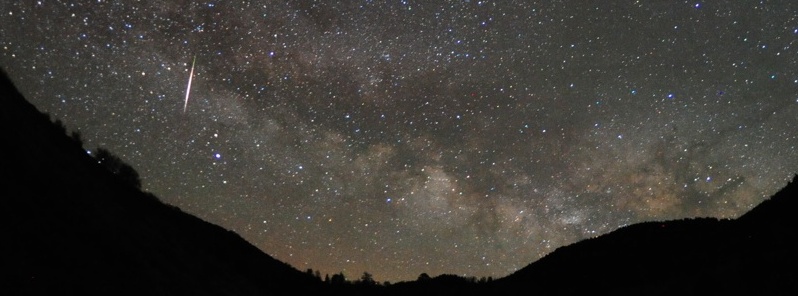
    This year's Eta Aquarids, known for their speed, peak during the early morning hours of May 5 – 6. Traveling at about 66 km/s (148 000 mph) into Earth's atmosphere these meteors are leaving glowing trains (incandescent bits of debris in the wake of the meteor) w

  • Night sky guide for May 2015

    If not for the nearly full moon spoiling the party, southern hemisphere observers would be in for a special treat when above average meteor shower – Eta Aquarids – peaks on the night of May 5 and the morning of May 6. This meteor shower is capable of producing up to 60

  • Lyrid meteor shower peaks on April 23, 2015

    Lyrid meteor shower will reach its maximum activity this year on the morning of April 23, 2015. The Moon will be 5 days old at the time, and so will present minimal interference. Lyrid meteors are known for their luminous dust trains observable for several seconds.The p

  • Total lunar eclipse on April 4, 2015

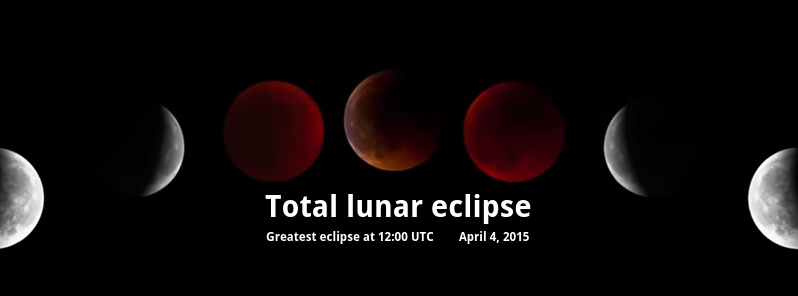
    A total lunar eclipse will occur on April 4, 2015. This is the shortest total lunar eclipse of the century and third of four total lunar eclipses separated by approximately 6 months, a rare phenomenon astronomers call a 'tetrad.' The first two were on April 15 a

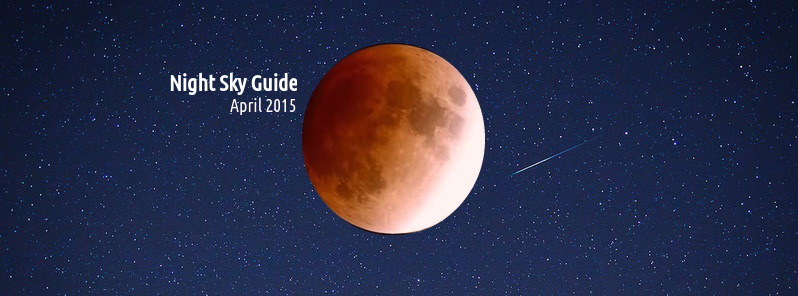
  • Night sky guide for April 2015

    This month is marked by the third of four total lunar eclipses separated by approximately 6 months – tetrad – which will occur at 12:00 UTC on April 4, 2015. The Moon will gradually get darker and then take on a rusty or blood red color. The eclipse will be visible thro

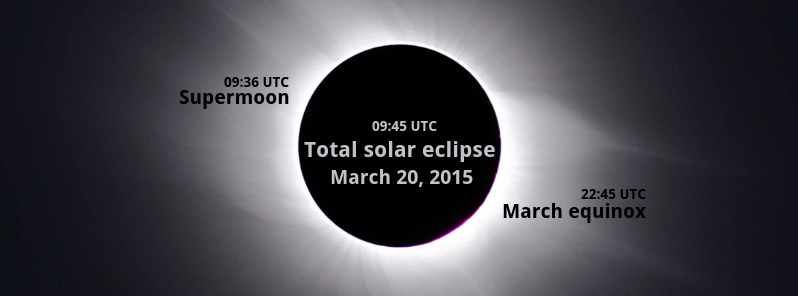
  • Supermoon, total solar eclipse and March equinox on March 20, 2015

    ​A supermoon, total solar eclipse and March equinox will all occur during March 20, 2015. The Moon will turn new at 09:36 UTC which is about 13.5 hours after reaching its closest point to our planet (lunar perigee) and will thus appear larger in size and have a larger

  • Night sky guide for March 2015

    With fireball season underway there are many reports of bright fireballs coming in from all over the world, the latest coming from India on February 27. The season will last until April. Total solar eclipse will occur on March 20 when the Moon will completely block the