• Recent advancements in mapping the world’s oceans

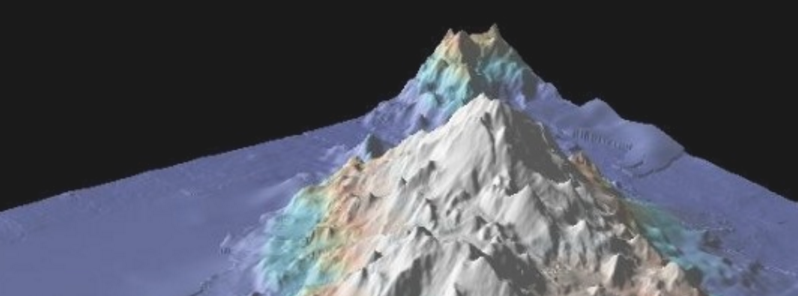
    The scientists at Lamont-Doherty Earth Observatory, New York, have gathered data from hundreds of research cruises and made a significant contribution to providing easily accessible ocean floor maps to interested people across the globe. The mapping site is capable…

  • Fukushima radiation contamination ongoing on numerous new ocean sites

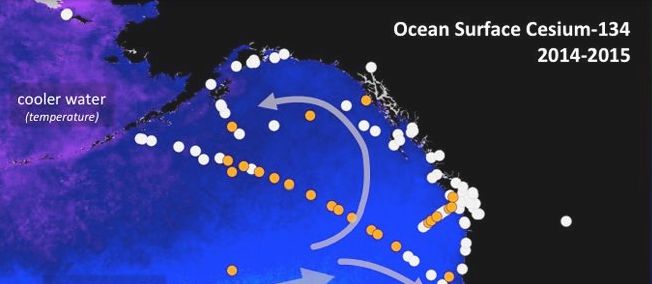
    Higher numbers of ocean sites along the US West Coast are showing signs of radiation contamination from Fukushima nuclear accident, Woods Hole Oceanographic Institution (WHOI) reports. However, the measured radioactivity levels still remain well below the US…

  • New mathematical model maps undiscovered deep water coral reefs

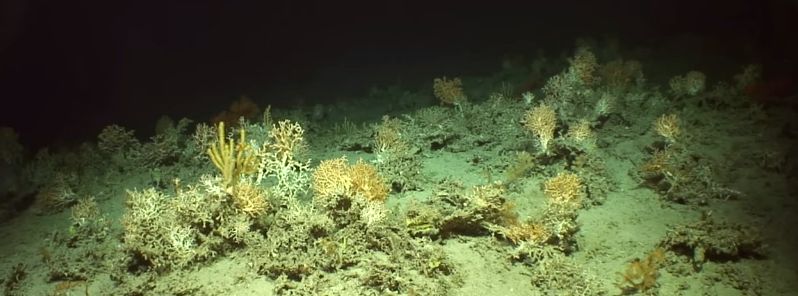
    Marine scientists have discovered four new deep-water coral reefs in the Atlantic Ocean, west of Ireland, by using a new mathematical modeling system which predicted their locations, the Plymouth University announced on October 12, 2015. The modeling system that…

  • Major coral bleaching phenomena now spreads globally, NOAA reports

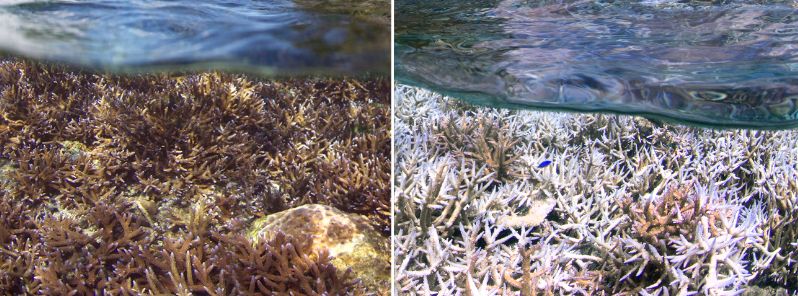
    A third global coral bleaching event was announced by the US National Oceanic & Atmospheric Administration (NOAA) on October 8, 2015. The event is expected to be enhanced by the strong El Nino, and will impact about 38% of the world's coral reefs by the end…

  • Dust storms affecting ocean phytoplankton

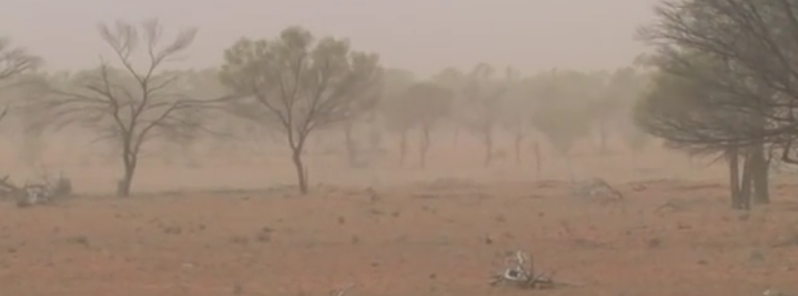
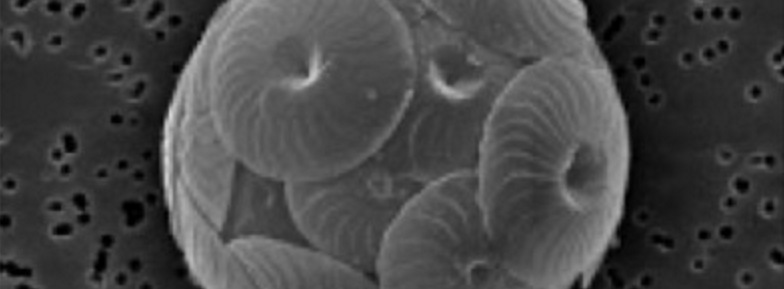
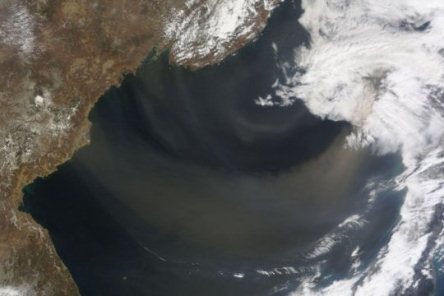
    MIT study finds that the short residence of iron in surface waters makes phytoplankton very sensitive to any changes in the level of desert dust in the ocean. Desert dust is one of the only sources of ocean iron. Each spring, dust storms in the deserts of Mongolia and n

  • Garbage patches across the oceans – visualization experiment

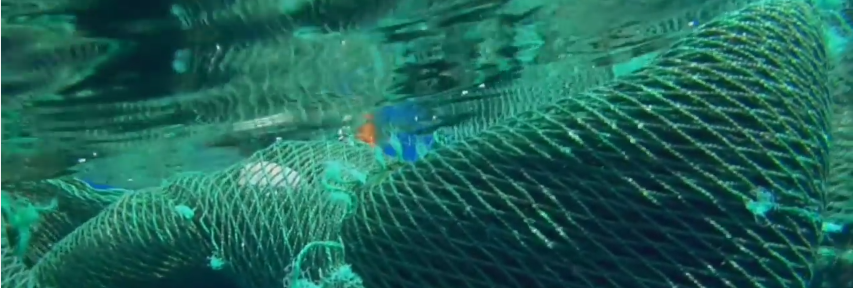
    The experts estimated about 70% of litter that ends up in the world's oceans, sinks to the bottom. The rest of the marine debris remains floating under the ocean surface and is carried around by the ocean currents. The floating debris mainly contains undegradable ti