• Red wind warning and widespread severe weather alerts issued as Cyclone Vaianu approaches North Island, New Zealand

    Cyclone Vaianu is forecast to move south across New Zealand’s North Island on Sunday, April 12, 2026, bringing a multi-hazard threat, including damaging winds up to 140 km/h (87 mph), heavy rainfall, and coastal inundation risk. A Red Strong Wind Warning is in force for the Coromandel Peninsula and Great Barrier Island, with widespread Orange warnings and watches covering much of the North Island and upper South Island. Significant disruption to transport, power supply, and communities is expected.

  • Tropical Storm Sinlaku strengthens, rapid intensification forecast as it tracks toward Guam

    Tropical Storm Sinlaku formed on April 9, 2026, in the western Pacific and strengthened to 102 km/h (63 mph) by 15:00 UTC on April 10, approximately 904 km (562 miles) southeast of Andersen Air Force Base, Guam. The system is becoming more organized and is forecast to undergo rapid intensification while tracking toward the Mariana Islands, with a potentially dangerous passage near or over Guam.

  • Flood Watch issued across Hawaii as kona low system brings risk of heavy rain and flood

    The National Weather Service has issued a Flood Watch for all Hawaiian islands as a developing low-pressure system, described as a kona low, brings increasing moisture and instability to the region from Wednesday, April 8, through Friday, April 10, 2026. Excessive rainfall may lead to flash flooding, runoff impacts, and landslides across all major islands.

  • Severe Tropical Cyclone Vaianu affecting Fiji with heavy rain and flooding, forecast to move toward New Zealand

    Tropical Cyclone Vaianu reached Category 3 intensity near Fiji on April 7, 2026, generating heavy rainfall exceeding 140 mm (5.5 inches), flooding in low-lying areas, and strong winds. Authorities have issued multiple warnings across Fiji, including for flooding and dangerous marine conditions. The system is tracking southeast toward New Zealand, where severe weather impacts are forecast later this week.

  • Widespread flooding leaves at least 148 dead across Afghanistan

    Widespread flooding across Afghanistan has left at least 148 people dead as of April 8, 2026, following nearly two weeks of persistent storms, flash floods, and landslides. The event, which began in late March, has affected most of the country’s provinces, destroying more than 1 100 homes, damaging thousands more, and impacting over 6 000 families.

  • Major M7.4 earthquake hits Molucca Sea, Indonesia, tsunami waves observed

    A major earthquake registered by the USGS as M7.4 hit the Molucca Sea, Indonesia, at 22:48 UTC on April 1, 2026. The agency is reporting a depth of 35 km (22 miles). EMSC is reporting the same magnitude and depth. According to the Pacific Tsunami Warning Center (PTWC), tsunami waves up to 0.65 m (2.1 feet) were observed at Kema, Sulawesi.

  • Late-season winter storm forecast to bring ice, snow, and severe weather to Upper Midwest and Great Lakes

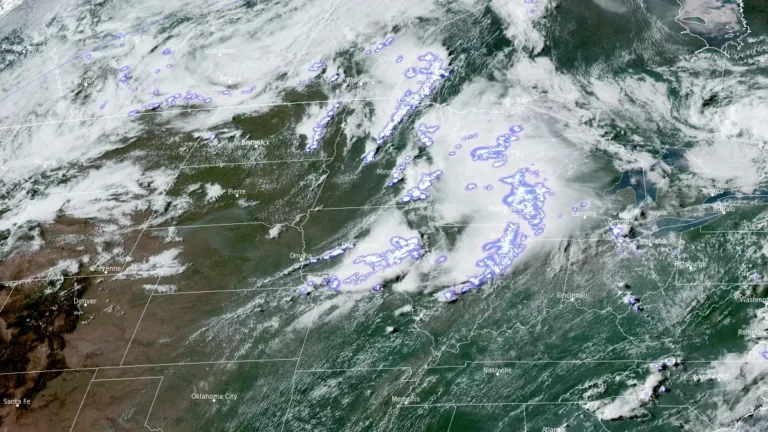
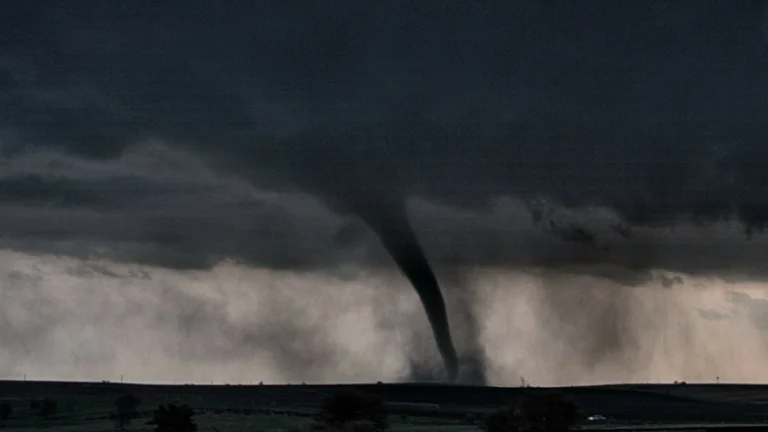
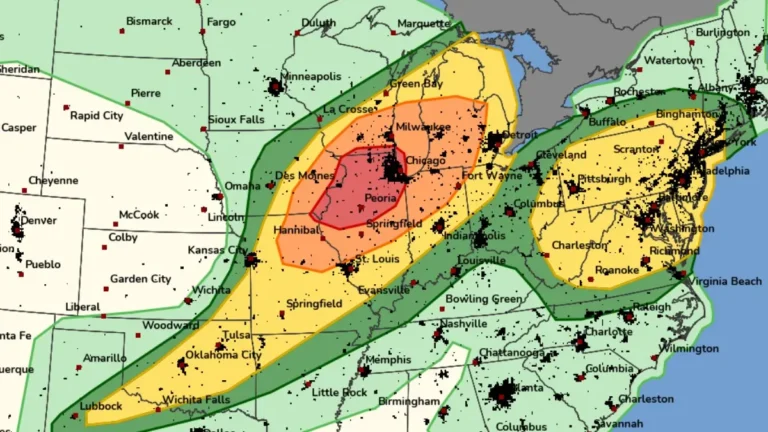
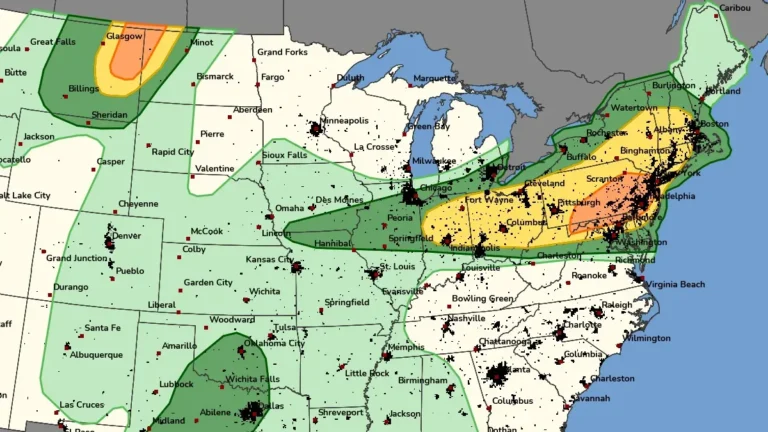
    A late-season winter storm combined with severe convective activity will affect the Upper Midwest and Great Lakes from April 1–3, 2026, producing heavy snow, sleet, freezing rain, and thunderstorms. The system is expected to generate hazardous ice accumulation and support severe storms capable of damaging winds, hail, and tornadoes.

  • Major M7.3 earthquake hits near Luganville, Vanuatu

    A major earthquake registered by the USGS as M7.3 hit near Luganville, Vanuatu at 08:44 UTC (19:44 LT) on March 30, 2026. The agency is reporting a depth of 115.8 km (72 miles). EMSC is reporting M7.3 at a depth of 116 km. According to the Pacific Tsunami Warning Center (PTWC), there is no tsunami threat from this event.