• GOES-13 satellite reactivated after micrometeor hit

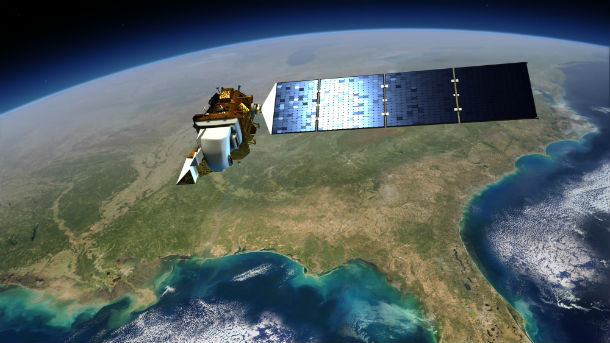
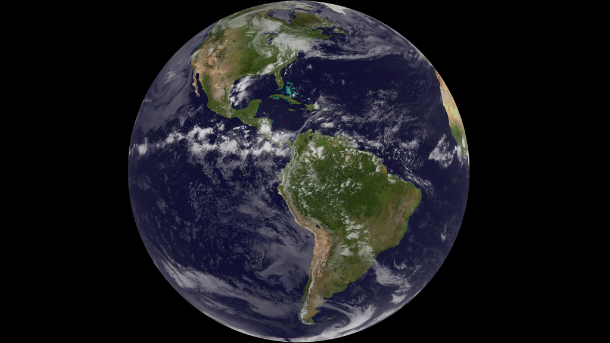
    NOAA officially returned the GOES-13 spacecraft to normal operations at 15:45 UTC on June 10, 2013 after it spent two and a half weeks in safe mode. Tests showed that the arm for the solar array panel was likely hit by a micrometeoroid on May 22, 2013
  • Unusually good season of Noctilucent Clouds ahead

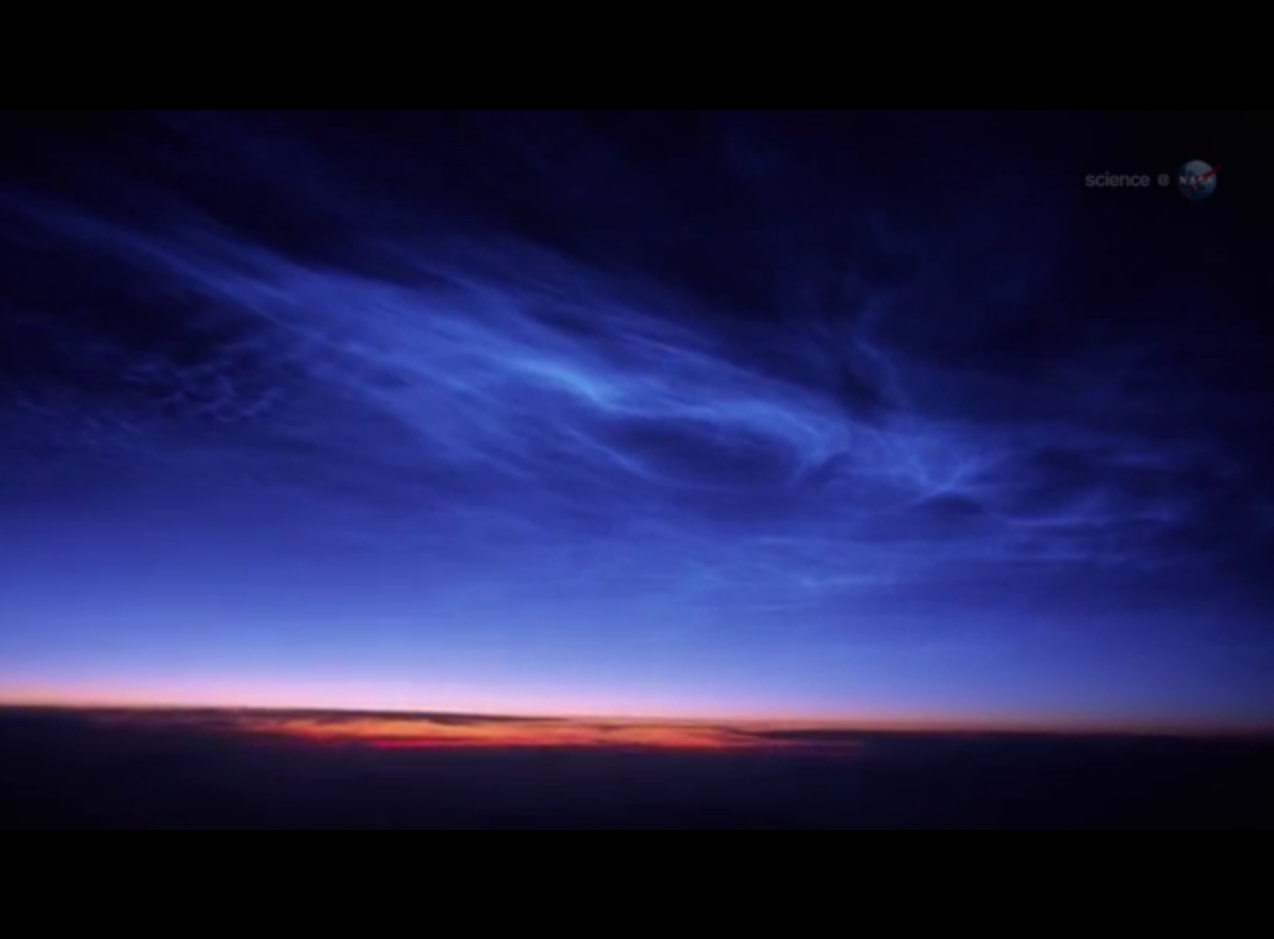
    Every summer, above the North pole, icy crystals begin to cling to the smoky remains of the meteors, forming hypnotic electric-blue clouds known as noctilucent clouds (NLC`s). These clouds are especially of interest to high latitude skywatchers, and around the Arctic

  • What's up for June 2013?

    The month begins with a gorgeous trio of planets: Mercury, Venus and Jupiter, low on the west-northwest horizon. As the month progresses, Jupiter slips into the sunset while Mercury and Venus rise higher in the sky. 

    Asteroid 1998 QE2, which safely passed by

  • Monsoon rains arrive in India

    While June 1st marked the first day of Atlantic hurricane season, it was also the day when an annual monsoon hit the southwest coast of India, bringing relief to hundreds of millions of farmers who rely on the seasonal precipitation, and also, some

  • Approaching Asteroid 1998 QE2 has its own moon

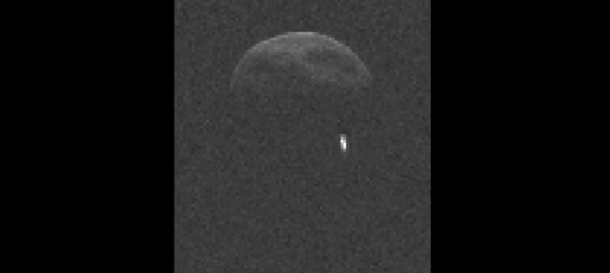
    On May 31, 2013 at 20:59 UTC, the 2.7 km wide Asteroid 1998 QE2 will make its closest approach to Earth at 5.8 million kilometers (3.6 million miles). This will be the closest it gets to Earth for at least the next two

  • Wild weather predicted for Saturn's largest moon Titan

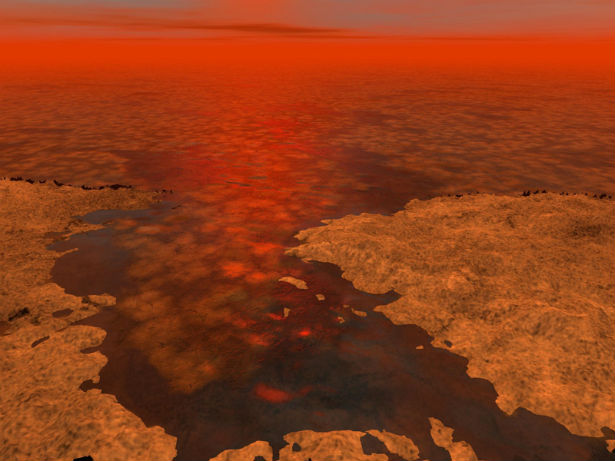
    According to the two new models, Saturn`s moon Titan may be affected by some harsh weather as it heads into its spring and summer seasons. Experts are of the opinion that as the seasons change in Titan's northern hemisphere, hurricanes could begin to churn and

  • Massive and deep earthquake M 8.3 struck Sea of Okhotsk

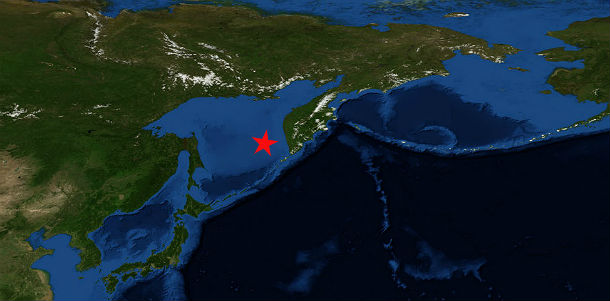
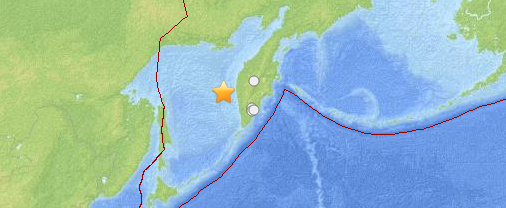
    A massive but deep earthquake M 8.3 struck Sea of Okhotsk on May 24, 2013 at 05:49 UTC. By preliminary reports, USGS has measured depth od 601 km, EMSC 599 km. The epicenter was about 403 km WNW of area previously reported for strong earthquake swarm,