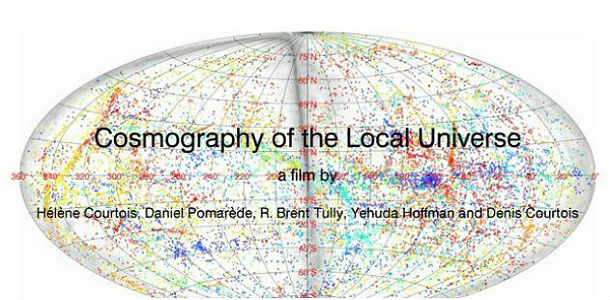
• How will Comet ISON perform?

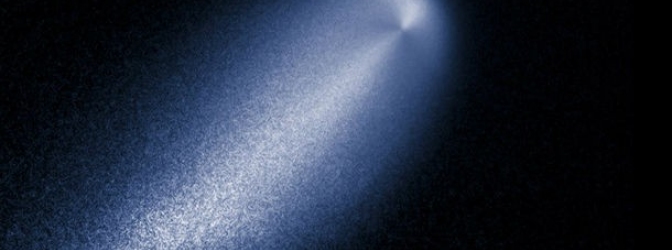
    Experts all over the planet are eagerly tracking Comet ISON (C/2012 S1), the so called "Comet of the century". However since June 22, 2013 the comet is so near to the Sun, less than 18 degrees, making it not visible against the dark sky. The comet will

  • Timelapse of a supercell near Booker, Texas

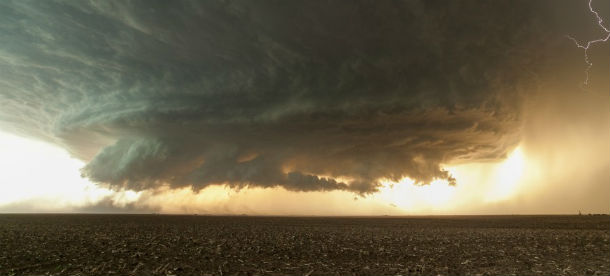
    After four years of searching for perfect supercell in the Central Plains, photographer Mike Olbinski from Arizona and his friend Andy Hoeland captured an amazing rotating supercell near Booker, Texas. Rotating clouds looking like

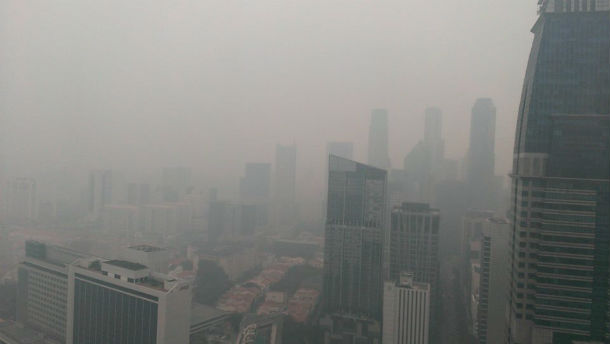
  • Air pollution in Singapore reached record hazardous levels

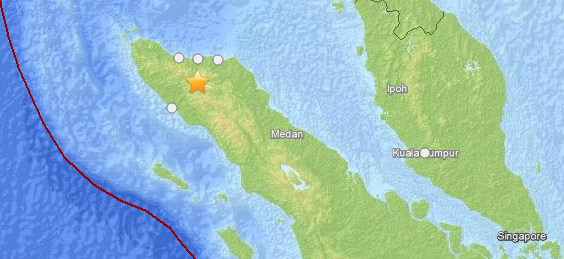
    The thick smog from large illegal slash-and-burn land clearance practices​ in Sumatra has been carried by prevailing winds blowing from the southwest, and has been affecting Singapore, Malaysia and surrounding areas since June 13, 2013, pushing

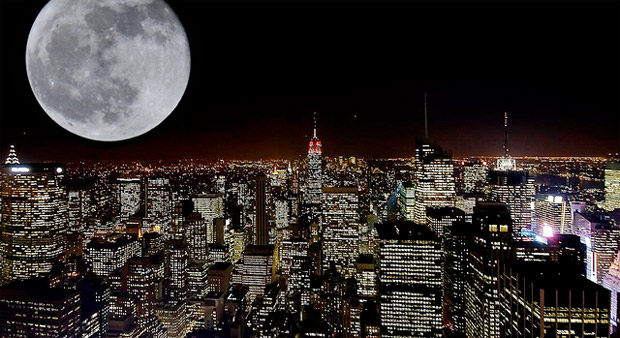
  • The most spectacular supermoon of the year – June 23, 2013

    On June 23, 2013 we will experience a truly super supermoon. The full moon that falls on June 23, 2013 at 11:32 UTC, will not only be the closest to Earth for the year, but it will also appear the biggest full moon for 2013. It will also be about 30 percent brighter

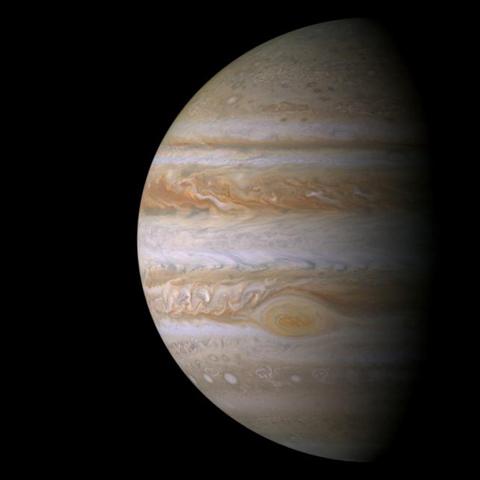
  • A rare total eclipse of Jupiter by the Sun on June 19, 2013

    Planet Jupiter began the month of June 2013 being positioned very low in the west sky just after sunset. However soon it will disappear into the solar glare, as Jupiter is approaching the Sun for a solar conjunction on June 19, 2013. At that time Jupiter will

  • GOES-13 satellite reactivated after micrometeor hit

    NOAA officially returned the GOES-13 spacecraft to normal operations at 15:45 UTC on June 10, 2013 after it spent two and a half weeks in safe mode. Tests showed that the arm for the solar array panel was likely hit by a micrometeoroid on May 22, 2013

  • Unusually good season of Noctilucent Clouds ahead

    Every summer, above the North pole, icy crystals begin to cling to the smoky remains of the meteors, forming hypnotic electric-blue clouds known as noctilucent clouds (NLC`s). These clouds are especially of interest to high latitude skywatchers, and around the Arctic