• Hidden geomagnetic reversals found in Earth’s magnetic history

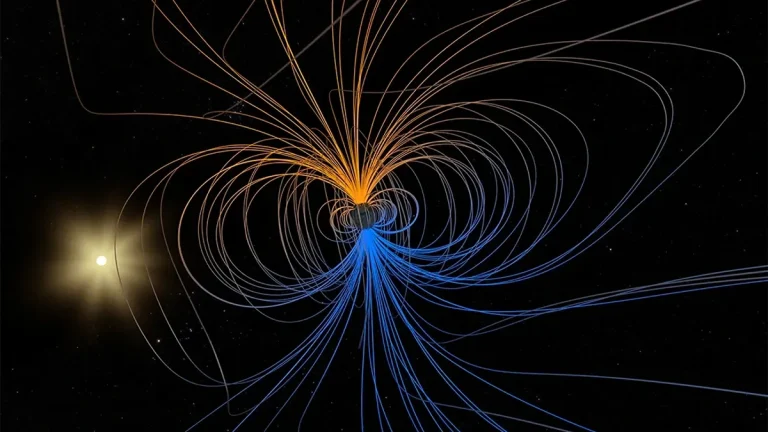
    Earth’s magnetic field may have experienced more polarity reversals than currently recorded, according to a new study using statistical modeling. Researchers found anomalies in the geomagnetic reversal frequency, suggesting that some reversals remain undetected. Incorporating recently discovered reversals from Ethiopian flood basalts into the dataset revealed hidden patterns that could refine our understanding of Earth’s magnetic history.

  • Very bright fireball illuminates Philadelphia skies, helicopters reported over possible impact site, U.S.

    A very bright green fireball illuminated the sky over Pennsylvania, U.S., at 08:44 UTC (03:44 LT) on Saturday, February 1, 2025. The event was widely observed across multiple states and parts of Canada, with some witnesses reporting a ground-level flash shortly after it disappeared. Others described flashing lights moving toward the area, followed by helicopters hovering over what appeared to be a possible impact site near a lake.

  • Study finds statistical link between solar activity and rainfall variability

    A long-term statistical study has confirmed a direct correlation between rainfall variability in India and solar activity features such as sunspots, solar flares, and solar prominences. Researchers analyzed 5 consecutive solar cycles (1964 – 2019) and found that rainfall levels shift predictably with solar fluctuations, impacting seasonal and annual precipitation patterns across India.

  • Massive underground aquifer discovered beneath Oregon’s Cascade Range

    Scientists from the University of Oregon have discovered a vast underground aquifer beneath Oregon’s Cascade Range, storing at least 81 km3 (19.4 mi3) of water — almost three times the maximum capacity of Lake Mead. The research detailing the findings was published on January 13, 2025, reshaping the understanding of the region’s water resources and volcanic hazards.

  • Comet C/2024 G3 (ATLAS) puts on spectacular show in Southern Hemisphere skies

    Comet C/2024 G3 (Atlas), which made its closest approach to Earth on January 14, 2025, and reached perihelion a day later, is creating spectacular photographic opportunities as it brightens in the night sky. Astronomers and skywatchers in the Southern Hemisphere have reported a visible coma and an extended tail, making it one of the most striking comets of recent years.

  • Small meteorite hits a car near Birmingham, UK

    A meteorite measuring approximately 2 cm (0.8 inches) in diameter smashed the windscreen of a parked Toyota in the town of Stratford-upon-Avon near Birmingham, UK on December 26, 2024.