• Extreme Heat Watches issued for Utah, Montana, and northern Wyoming, temperatures up to 43°C (110°F) forecast through July 27

    Extreme Heat Watches have been issued for large portions of Utah, Montana, and north-central Wyoming as widespread dangerous heat is forecast from Friday, July 24, through Sunday, July 26, with some areas remaining under hazardous conditions into early next week. Afternoon temperatures are forecast to reach 35 to 43°C (95 to 110°F), while unusually warm nights across northern Utah are expected to limit overnight cooling and increase cumulative heat stress.

  • Extreme Heat Warnings issued for parts of Arizona, California and Nevada, temperatures above 49°C (120°F) forecast

    Extreme Heat Warnings have been issued across large parts of Arizona, California, and Nevada as a prolonged heat event is forecast to persist through at least Monday, July 27, 2026. Afternoon temperatures are expected to reach 38 to above 49°C (100 to more than 120°F), while exceptionally warm overnight lows are forecast to provide little relief, significantly increasing the risk of heat-related illness.

  • Tokachidake volcano erupts for first time since 2004, Japan

    The Japan Meteorological Agency (JMA) confirmed a very small eruption at Tokachidake’s 62-2 crater at 11:07 LT (02:07 UTC) on July 22, 2026, the volcano’s first eruption since February 2004. A black plume rose approximately 200 m (656 feet) above the crater rim, while Volcanic Alert Level 2 remained in effect. Tokachidake is located in central Hokkaido, on Japan’s northernmost main island, approximately 900 km (560 miles) north-northeast of Tokyo.

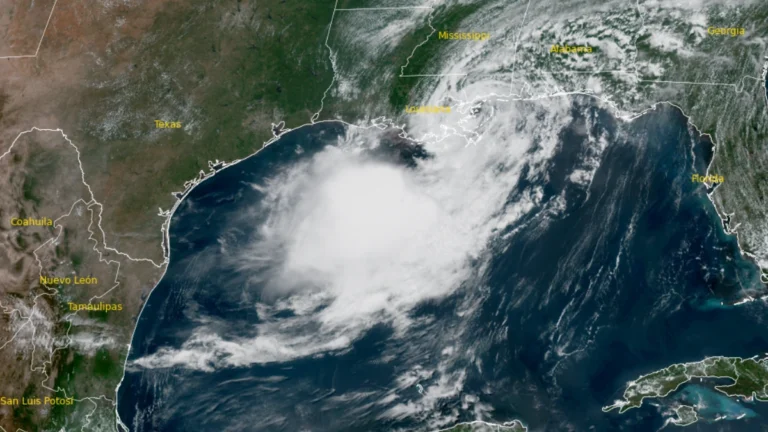
  • Tropical Storm Bertha makes landfall in St Bernard Parish, Louisiana, heads toward upper Texas coast

    Tropical Storm Bertha made landfall at approximately in St. Bernard Parish, Louisiana at approximately 13:50 CDT (18:50 UTC)on July 22, 2026, with maximum sustained winds of 72 km/h (45 mph). Storm surge of up to 1 m (3 feet), rainfall totals of 25 to 100 mm (1 to 4 inches) with isolated amounts reaching 150 mm (6 inches), and isolated flash flooding remain possible across portions of the central and western Gulf Coast through July 24.

  • Monsoon floods in Pakistan leave 47 dead as active flood alerts trigger evacuations

    At least 47 people have died and 123 others have been injured across Pakistan since the start of the 2026 monsoon season on June 26, as house collapses and flash floods triggered by heavy rainfall continue to affect several provinces while active flood alerts and evacuations remain in place along major rivers in Punjab.

  • State of Emergency declared for West Virginia after historic flooding

    Historic flooding in Upshur County and widespread impacts from severe thunderstorms prompted West Virginia Governor Patrick Morrisey to declare a State of Emergency for all 55 counties on July 21, 2026. The Sand Run stream gauge near Buckhannon rose to record levels, reportedly reaching major flood stage for the first time on record. Meanwhile, torrential rainfall totals of up to 127 mm (5 inches) in less than six hours caused flash flooding, infrastructure damage, and multiple road closures.

  • Widespread flooding kills 10, damages more than 23 000 homes in Chile

    Heavy rain and flooding associated with a prolonged frontal system have killed 10 people and left four missing across Chile since July 14, with the most extensive isolation concentrated in the Atacama and Coquimbo regions. The National Service for Disaster Prevention and Response reported 104 271 people isolated, 2 281 affected, and 1 031 in shelters on July 21.

  • Negative Southern Annular Mode develops, bringing snow, storms and colder conditions to southern Australia

    A negative Southern Annular Mode (SAM) developed over the Southern Hemisphere on July 18, 2026, triggering a sharp shift in Australia’s winter weather. The change is expected to push cold fronts farther north through the remainder of July, bringing heavy rain, damaging winds, hail and low-level snow to Tasmania while leaving much of eastern New South Wales dry and unusually mild, according to Weatherzone meteorologist Ben Domensino. Forecast models indicate the negative phase is likely to persist for the rest of the month.

  • Dangerous heat expands across the Southern U.S. with major to locally extreme HeatRisk

    Dangerous heat is forecast to persist across the southern United States for several days while expanding into the Central and Southern Plains. The National Weather Service is forecasting widespread Major to locally Extreme HeatRisk, daytime highs of 35–41°C (95–105°F), heat index values reaching 41–46°C (105–115°F), and record warm overnight lows of 24–27°C (75–80°F) through Sunday, July 26, 2026. The prolonged combination of hot afternoons and unusually warm nights is expected to produce cumulative heat stress, particularly for people without adequate cooling or hydration.