• Ozone thinning has influenced ocean circulation

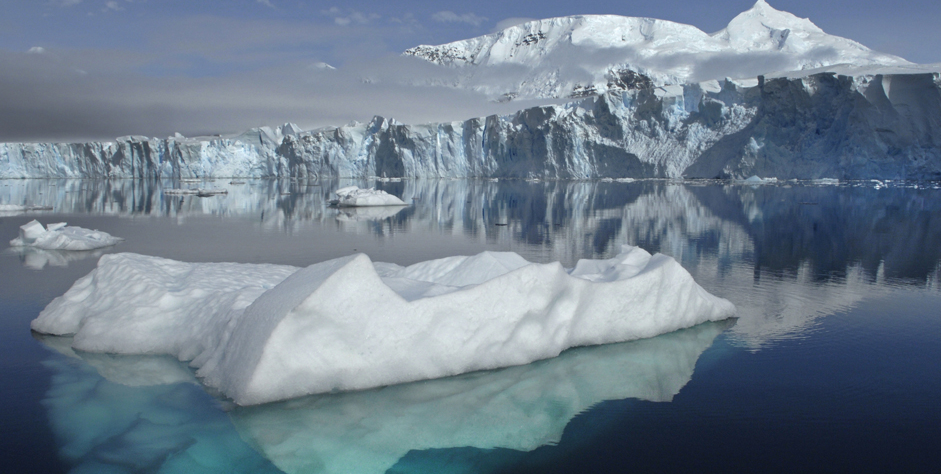
    The hole in the Antarctic ozone layer has caused changes in the way that waters in those southern oceans mix, which has the potential to alter the amount of CO2 in the atmosphere and eventually could have an impact on global climate change, according to earth scientist
  • How thick is the crust beneath Antarctica?

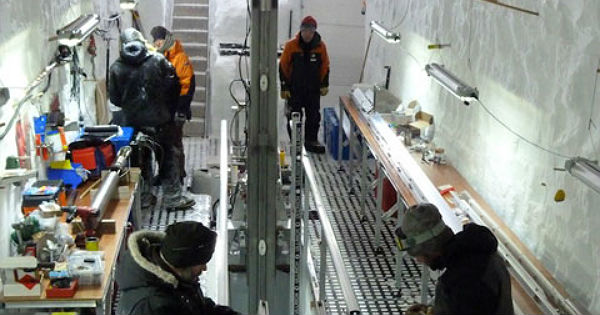
    A giant ice cap up to 3,800 meters (2,36 miles ) thick covers about 99 % of the Antarctic continent, and under the layer of frozen water lays continental crust. Researchers  analyzed seismic data from the South pole to create a new most detailed map showing the

  • January 2013 arctic outbreak in North America

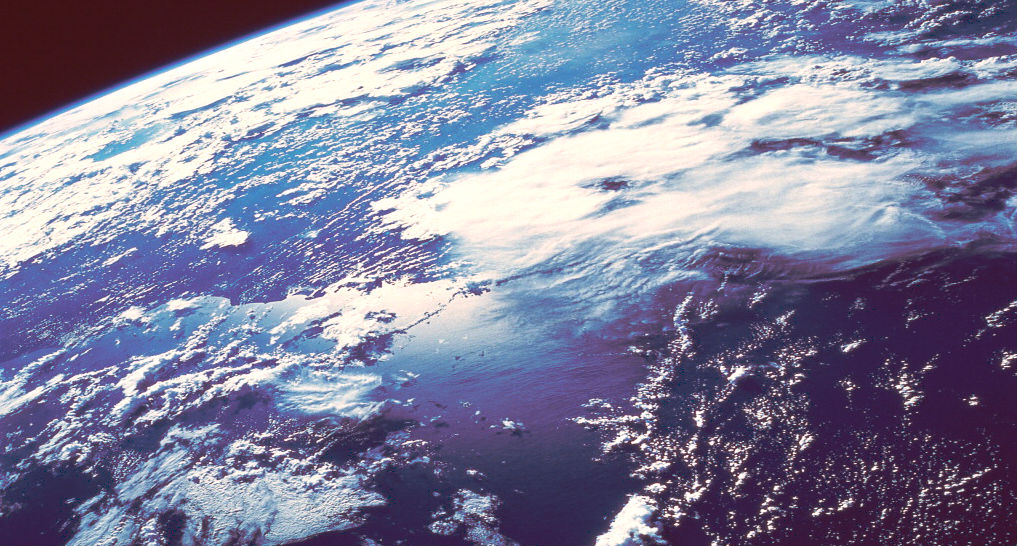
    At the start of 2013, temperature change occurred high in the atmosphere over the Arctic Circle, which caused an arctic outbreak in North America during the middle of January. In some places the air just north of the Great Lakes was colder than that over the North

  • 2012 Arctic Report Card – Dramatic changes in the Arctic

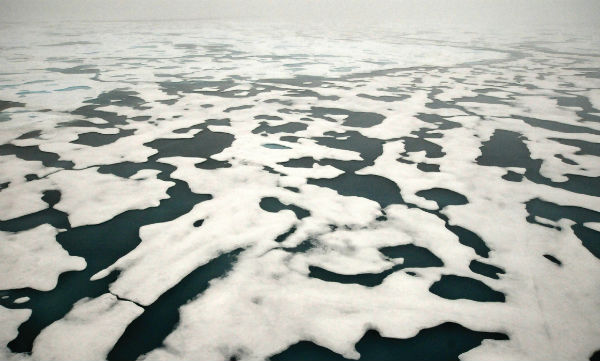
    The Arctic Report Card is tracking recent environmental changes, with 20 essays on different aspects of the environment. The Arctic Report Cards produced by the National Oceanic and Atmospheric Administration (NOAA) are a source of reliable and brief information on the

  • Major study finds ice sheet loss at both poles increasing

    In a landmark study published on Thursday, November 29, 2012 in the journal Science, 47 researchers from 26 laboratories report the combined rate of melting for the ice sheets covering Greenland and Antarctica has increased during the last 20 years. Together, these ice

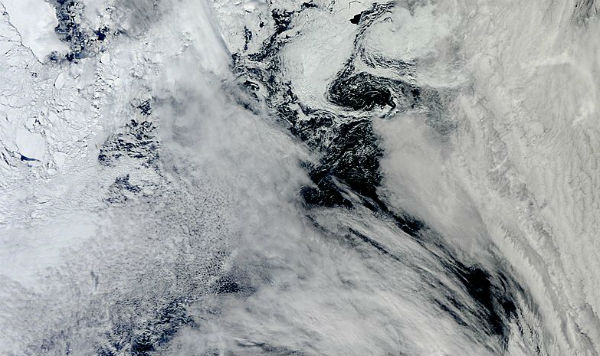
  • Pine Island Glacier’s calving front free of sea ice

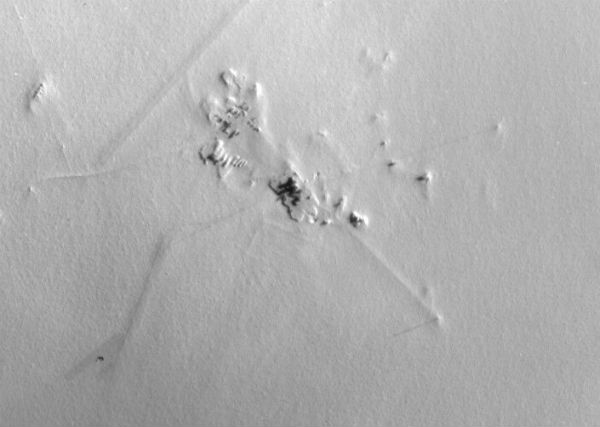
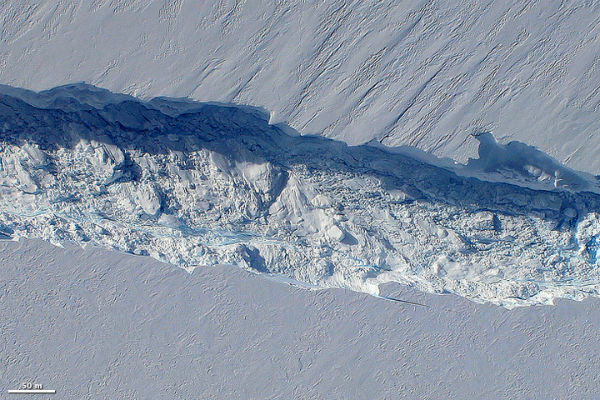
    Flying over the Antarctica’s Pine Island Glacier last year in October, NASA’s Operation IceBridge  scientists discovered a massive rift 29 kilometers (18 miles) long, 80 meters (260 feet) wide on average, and 50 to 60 meters (170 to 200 feet) deep. When that