I am an Assistant Editor and Severe Weather & Science Journalist at The Watchers, specializing in real-time severe weather coverage, geophysical event reporting, and research-driven scientific analysis. You can reach me at rishav(at)watchers(.)news.

  • 2024 on track to become Canada’s second-worst fire season in two decades

    Wildfires are ravaging parts of Canada, with 2024 on track to become the second-worst fire season in two decades. Satellite data indicates that carbon emissions from wildfires have already exceeded the 20-year average. Reports indicate that the number of wildfires in Northern Canada has increased by 50% in the last three weeks.
  • Rex block shatters multiple records in Canada

    Canada experienced a week of extraordinary weather, breaking multiple records for heat and rainfall across the country. A unique atmospheric pattern, known as a Rex block, caused temperatures to soar in the Arctic Circle, while remnants of Hurricane “Debby” brought torrential rains to Eastern Canada.

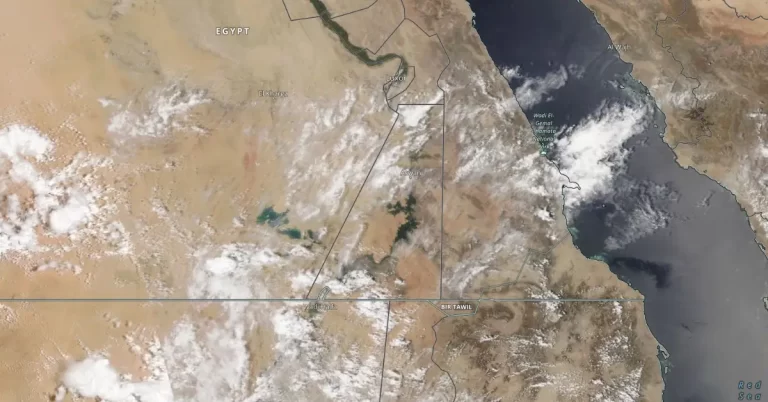
  • Heavy rains cause severe flooding in southern Egypt

    Aswan City and other areas in southern Egypt experienced heavy rain and severe flooding, some of it historic, on August 8 and 9, 2024. According to experts, the rains were seasonal and caused by a northward shift in the rain belt.

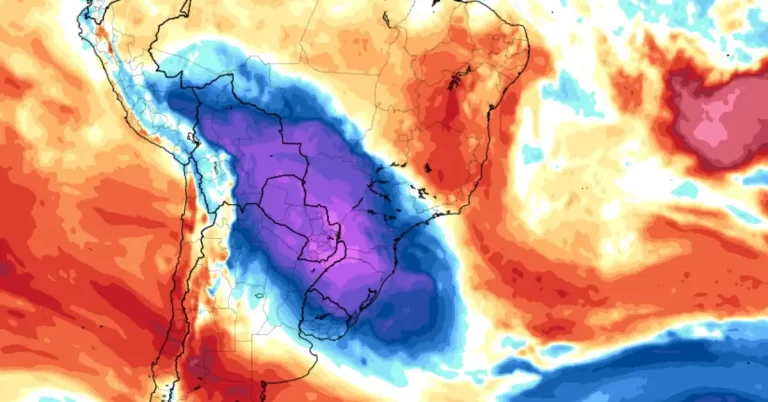
  • Brazil braces for widespread cold snap, frost, and snow expected across multiple regions

    A very cold air mass is forecasted to cause a significant drop in temperatures across multiple regions of Brazil by the end of this week. The South, Southeast, Central-West, and even parts of the North will experience this temperature decrease, with the possibility of frost in several states and potential snowfall or freezing rain in the higher-altitude areas of the South Region.

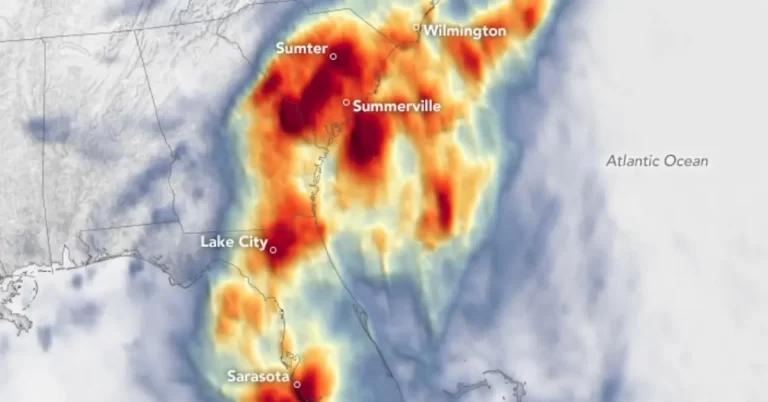
  • Debby leaves 8 dead, heavy rainfall and significant flood threats continue in parts of Mid-Atlantic and Northeast

    Category 1 Hurricane “Debby” made landfall near Steinhatchee in Florida’s Big Bend at 11:00 UTC on Monday, August 5, 2024, and continued moving inland, dropping heavy rains. As Debby moved offshore and then back inland, it continued to gather moisture, leading to a second landfall northeast of Charleston, South Carolina, on August 8.