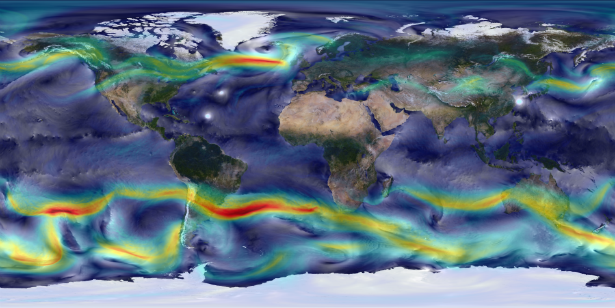
• A portrait of global winds – GEOS-5

    New visualization by NASA’s Goddard Earth Observing System Model (GEOS-5) shows global winds simulation using 10-kilometer resolution. Surface winds (0 to 40 meters/second) are shown in white and trace features including Atlantic and Pacific cyclones.
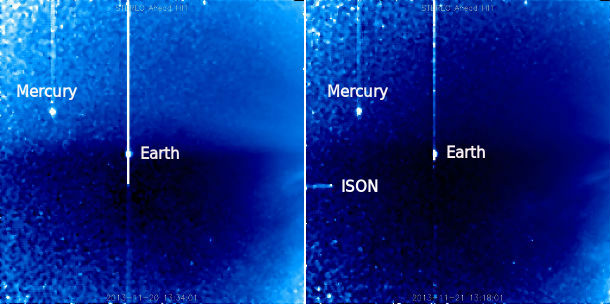
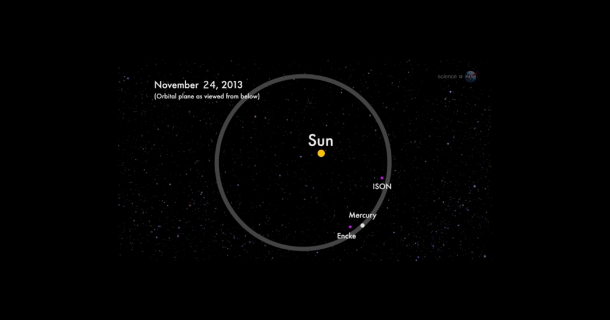
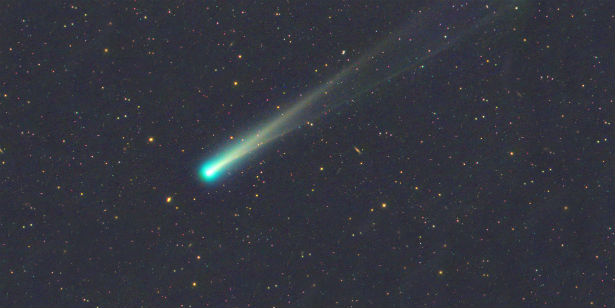
  • Comet ISON entered STEREO Ahead HI1 field of view

    Comet ISON entered STEREO Ahead HI1 field of view. First image was taken at 21:34 UTC on November 20, 2013. Both STEREO spacecraft will have a view of the comet in the COR1 and COR2 coronagraphs in the hours around closest approach on November 28.

    You can examine

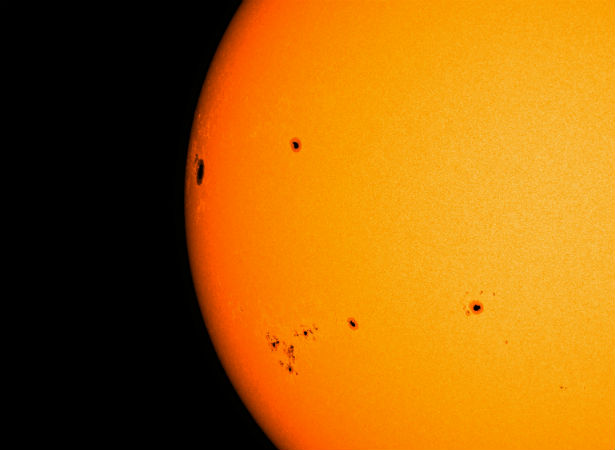
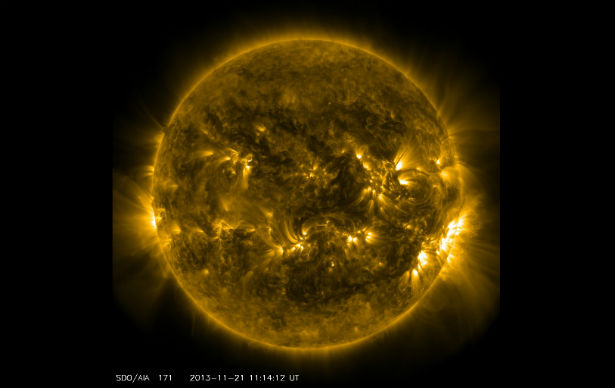
  • M1.2 solar flare erupted from Sunspot 1893 behind the western limb

    A moderate M1.2 solar flare was detected around sunspot 1893 at 11:11 UTC on November 21, 2013. This active region is now located behind the west limb, so any subsequent coronal mass ejections (CMEs) would be too far west to impact Earth. This same region is

  • Subtropical Storm Melissa formed in Atlantic Ocean

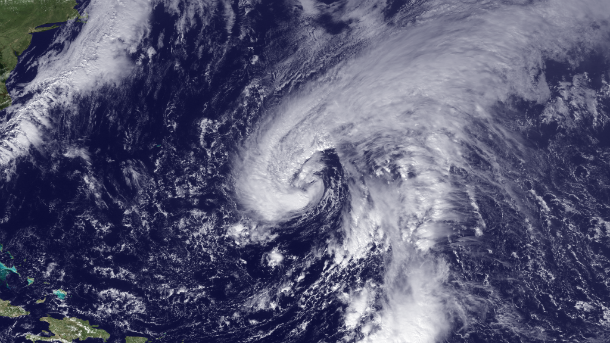
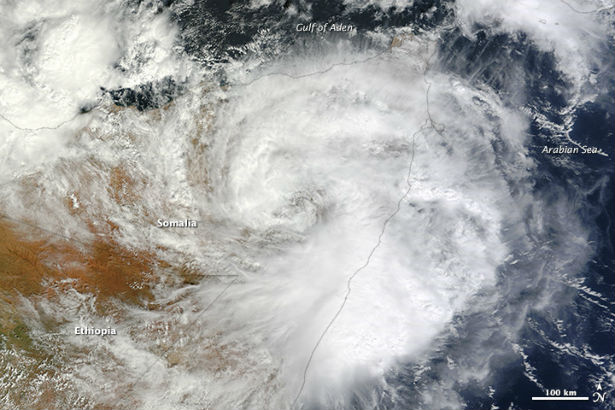
    Subtropical Storm Melissa, formed late November 18th about halfway between Africa and the Americas, will produce rough surf around Bermuda and parts of Bahamas, Turks and Caicos and the Islands of the Caribbean this week.

    The MODIS instrument

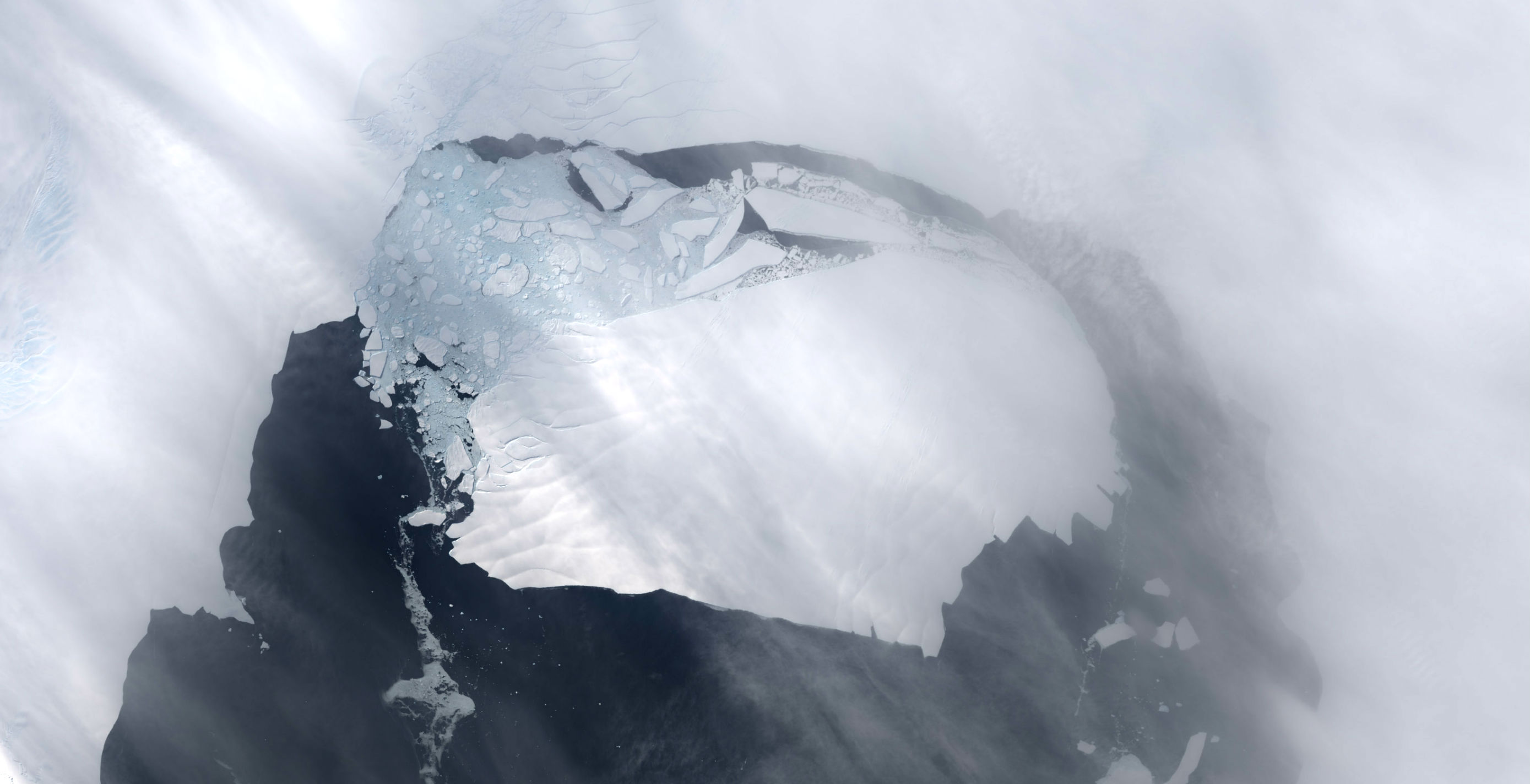
  • Major iceberg cracks off Pine Island Glacier, Antarctic

    Between November 9 – 11, 2013, a large iceberg separated from the calving front of Pine Island Glacier in Antarctic. New satellite images now show that Iceberg B-31, estimated to be 35 by 20 km, is moving away from the

  • Typhoon Haiyan finally dissipated over southern China

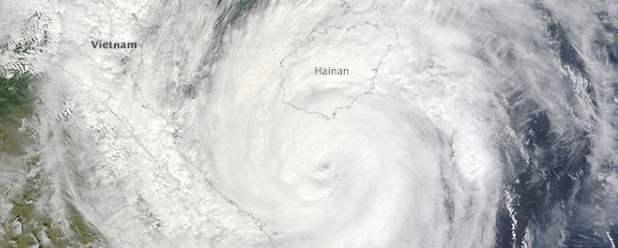
    Typhoon Haiyan, the strongest tropical cyclone to make landfall in recorded history and the deadliest in Philippines history, continued on its path of destruction across northeastern Vietnam and southern China. 

    It made a

  • Comet ISON developed double tail

    Comet ISON is every day more and more closer to the Sun, and with every new day it reveals more new details. More astronomers report clearly visible double tail feature. Primary ion gas tail developed a dust tail companion so now Comet ISON is double tail