• Thanksgiving weekend Arctic blast in heartland, heavy lake-effect snow in Great Lakes

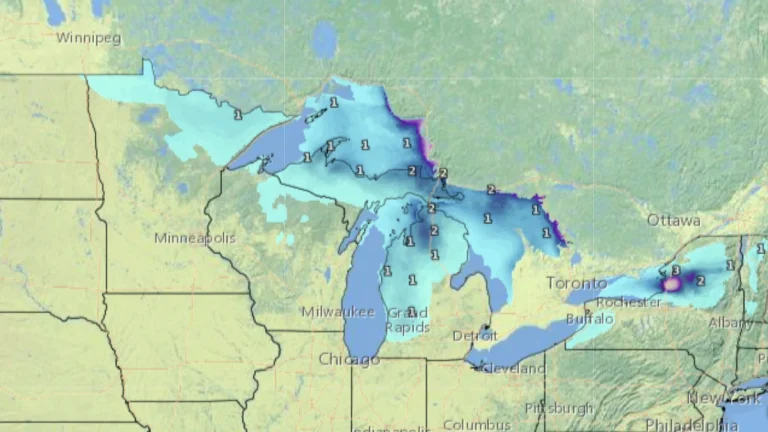
    The 2024 Thanksgiving weekend will bring a significant Arctic blast to the U.S. heartland, with dangerously cold temperatures and wind chills extending across the northern Plains and upper Midwest. This Arctic outbreak is expected to deliver the coldest conditions since February, lasting through the holiday weekend across the Northern Plains-Midwest and into parts of the South and East. The threat of heavy lake-effect snows across the Great Lakes continues to increase as well.

  • Extreme winter storm impacts expected in Southern Sierra Nevada

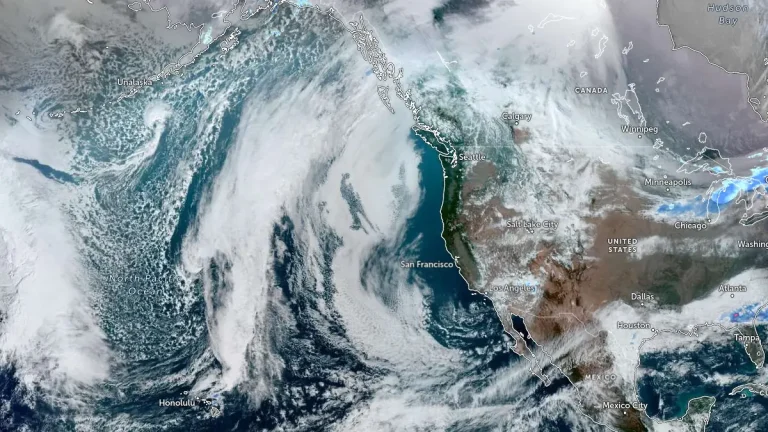
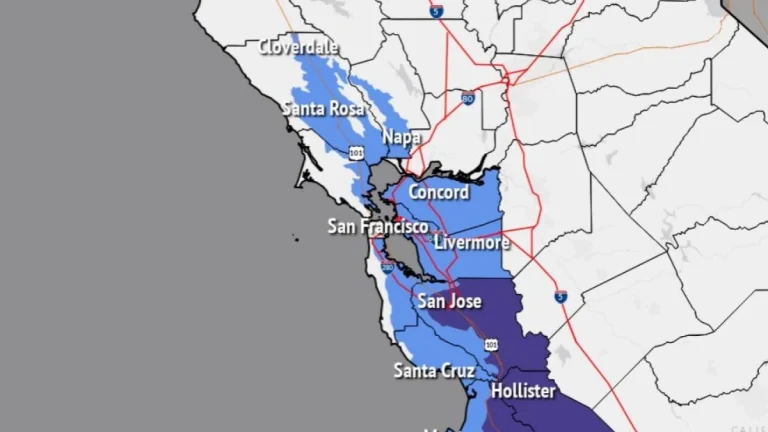
    The Center for Western Weather and Water Extremes has warned of an intense winter storm impacting the Southern Sierra Nevada and parts of the Intermountain West from November 25 to 28, 2024. Forecasts indicate over 180 mm (7 inches) of precipitation and snow accumulations exceeding 1.5 m (5 feet) at higher elevations, with flash flood and winter storm warnings in effect.

  • Winter storms set to disrupt Thanksgiving travel across the U.S.

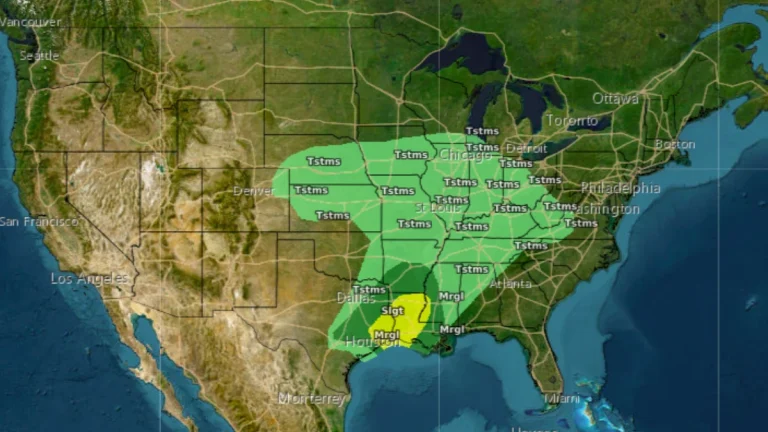
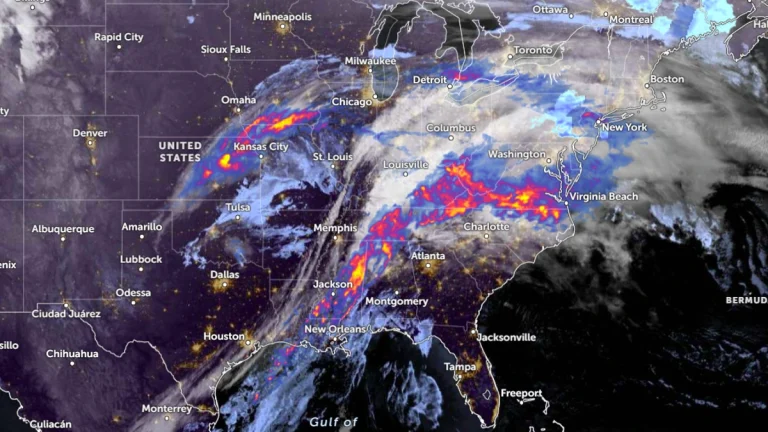
    A wave of powerful winter storms is forecast to impact the United States during 2024 Thanksgiving week (November 25 – December 1), with significant disruptions expected across multiple regions. Heavy snow in the Sierra Nevada, flash flooding in California, and hazardous driving conditions in the Rockies are just a few of the challenges holiday travelers may face. As the week progresses, the storm system will strengthen, bringing snow and rain to the Midwest and South, with the Northeast likely to experience a coastal storm by Friday, November 29, 2024.

  • Four dead across U.S. West Coast as atmospheric river brings record rains and 20 landslides in California

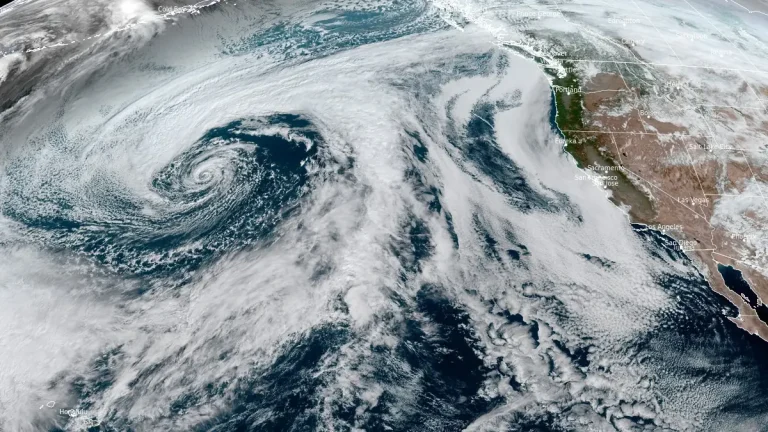
    The strongest atmospheric river of the season, driven by a bomb cyclone with a central pressure of 945 hPa, ravaged the U.S. West Coast on Wednesday, November 20, 2024, bringing unprecedented rainfall, flooding, and wind damage. Northern California bore the brunt of the storm, with 543.4 mm (21.39 inches) of rain recorded in Sonoma County and widespread flooding that stranded hundreds. Meanwhile, fierce winds of up to 206 km/h (128 mph) toppled trees and left communities without power.