• Heat Advisories span 12 states from Texas to Indiana, heat index up to 46°C (114°F) forecast

    Heat Advisories issued by 16 National Weather Service (NWS) forecast offices cover portions of 12 U.S. states from September 14 through September 16, 2026, with heat index values forecast to reach 46°C (114°F) in southern Texas. The advisories extend from Texas and Oklahoma through the Lower Mississippi Valley and Mid-South into Indiana and Kentucky.
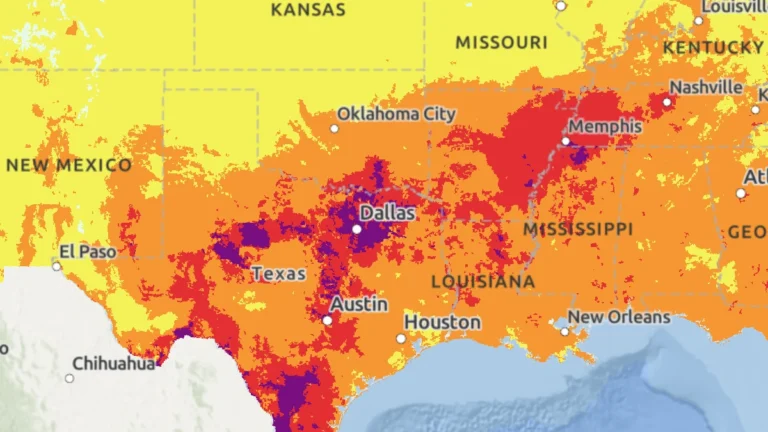

  • Advisories issued as dangerous heat persists from Texas to lower Mississippi Valley

    The National Weather Service (NWS) issued Heat Advisories for parts of Arkansas, northern Mississippi and western Tennessee from 11:00 to 20:00 CDT on September 10, 2026 (16:00 UTC on September 10 to 01:00 UTC on September 11). Heat-index values could reach approximately 43°C (109°F) in central, eastern and southeastern Arkansas and 42°C (107°F) elsewhere in the Mid-South. Farther west, temperatures near 38°C (100°F) are forecast in parts of North Texas as dangerous late-summer heat persists across the southern United States.

  • Extreme Heat Warnings and Heat Advisories issued from the Central Plains to the Southwest U.S.

    Extreme Heat Warnings and Heat Advisories were issued across parts of the central and southern United States, the Southwest and California on September 8, 2026. The National Weather Service (NWS) forecast heat index values up to 44°C (112°F) in parts of Arkansas and Oklahoma and temperatures up to 47°C (116°F) in Death Valley and the Colorado River Valley, with several western alerts continuing through September 11.

  • 21 students hospitalized for heat illnesses after bomb-threat evacuation at Carter Middle School, Tennessee

    21 students were transported with heat-related illnesses after Carter Middle School in Knox County, Tennessee, evacuated students to a football field during an NWS Heat Advisory on September 4, 2026. The advisory warned of heat index values reaching 41.1°C (106°F) across the affected area, while three students were classified as critical when transported, according to Rural Metro Fire.

  • Heat Advisories in effect across central U.S., heat index values up to 42°C (108°F) forecast

    Dangerous heat is expected across much of the central United States on June 9, 2026, with multiple National Weather Service offices warning that heat index values will reach 38 to 42°C (100 to 108°F) during the afternoon and evening. Heat Advisories remain in effect across Kansas, Missouri, Arkansas, Tennessee, Mississippi, Iowa, Nebraska, South Dakota, Minnesota, and Wisconsin, with the most dangerous conditions forecast across the Mid-South.

  • Enhanced Risk of severe thunderstorms issued for northern Texas into lower Mississippi Valley

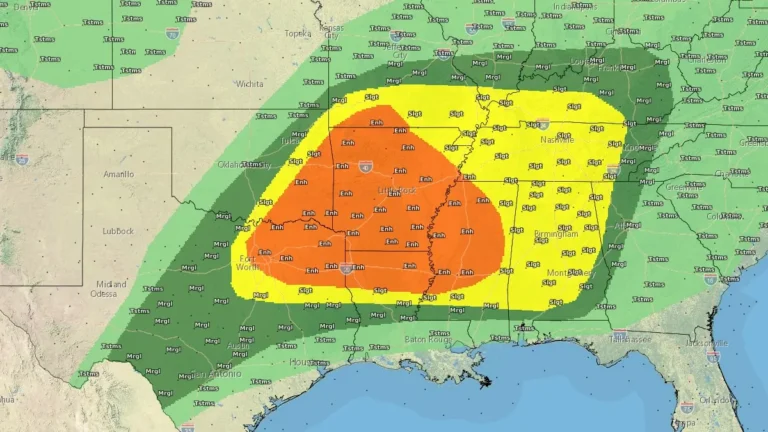
    Severe thunderstorms and heavy rainfall are forecast across parts of northern Texas into the lower Mississippi and Tennessee Valleys on April 28, 2026, with an Enhanced Risk issued for parts of the region. Very large hail, damaging winds, and a few tornadoes are to be expected, while repeated storm activity may increase the risk of flash flooding.

  • Severe storms leave over 260 000 without power, 1 dead across Midwest after tornado warnings in St. Louis and Illinois

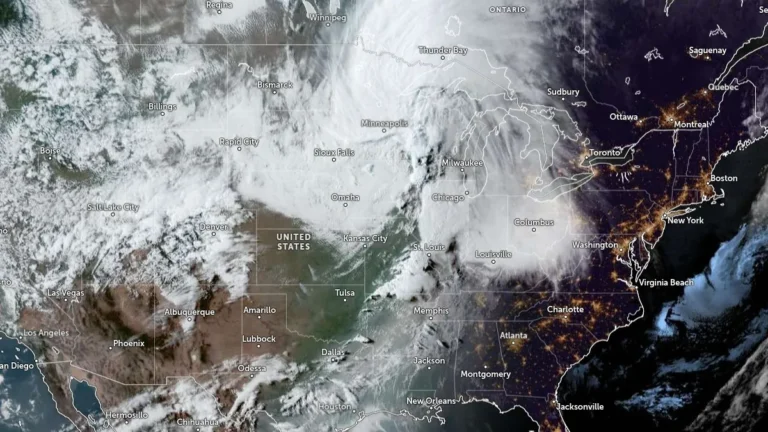
    Severe storms moved across the Midwest on Monday, April 27, 2026, producing tornado warnings in the St. Louis area and Illinois, while heavy rain caused flooding into early Tuesday. More than 250 000 customers lost power across Missouri, Illinois, Kentucky, Indiana, Wisconsin, and Michigan, and at least one fatality was reported in Michigan after a tree fell during the storms.

  • Freeze Warnings and Watches issued across parts of Texas, Oklahoma, Arkansas, Louisiana, Mississippi, Alabama, Missouri, and Tennessee

    Freeze Warnings and Watches have been issued for parts of eight southern U.S. states as sub-freezing temperatures are forecast from March 16 into March 17, 2026. Temperatures could fall as low as −12°C (10°F) in the coldest parts of Arkansas, while many other areas are expected to bottom out in the −7°C to −2°C (19 to 28°F) range. Frost, freeze conditions, and gusty post-frontal winds may damage sensitive vegetation and, in the coldest areas, affect exposed outdoor plumbing.