Asteroid 2025 RJ2 to pass 0.78 LD from Earth on September 15
Newly discovered asteroid designated 2025 RJ2 will fly past Earth at a distance of 0.78 LD (0.002 AU / 301 334 km / 187 241 miles) at 20:18 UTC on Monday, September 15, 2025.

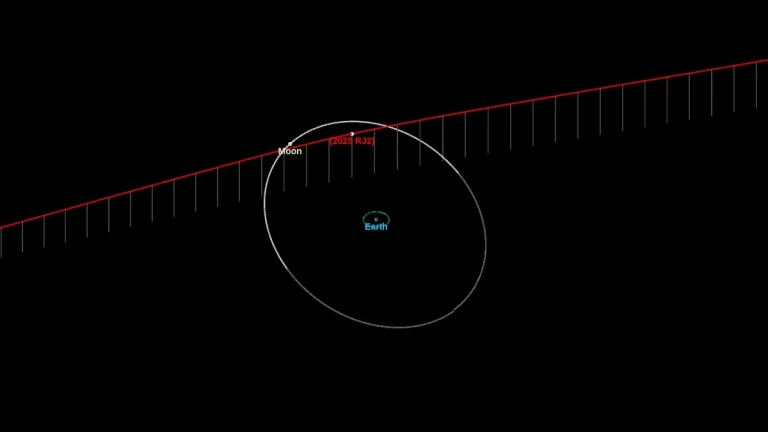
Newly discovered asteroid designated 2025 RJ2 will fly past Earth at a distance of 0.78 LD (0.002 AU / 301 334 km / 187 241 miles) at 20:18 UTC on Monday, September 15, 2025.
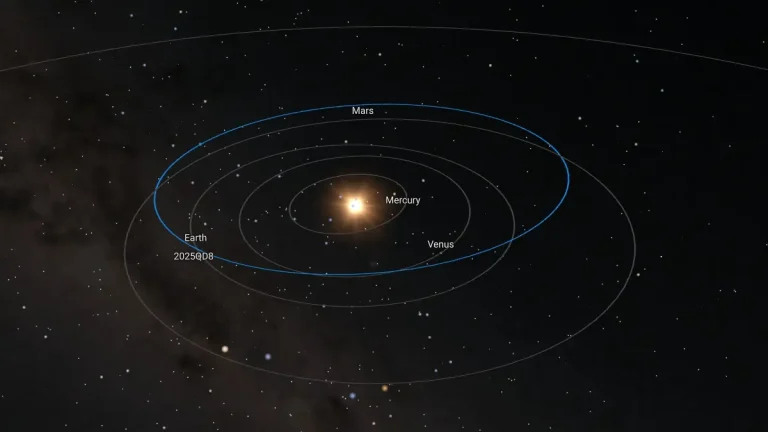
A newly discovered asteroid designated 2025 QD8 will fly past Earth at a distance of 0.5 LD (0.00146 AU / 218 351 km / 135 677 miles) from the center of our planet at 14:58 UTC on September 3, 2025.
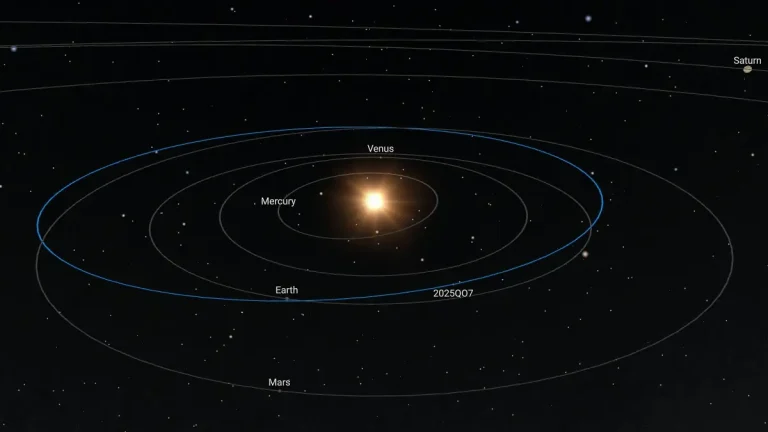
A newly discovered asteroid designated 2025 QO7 will fly past Earth at a distance of 0.7 LD (0.00182 AU / 271 500 km / 168 700 miles) from the center of our planet at around 14:09 UTC (±00:55) on August 31, 2025. The flyby will take place at a relative velocity of 8.17 km/s.
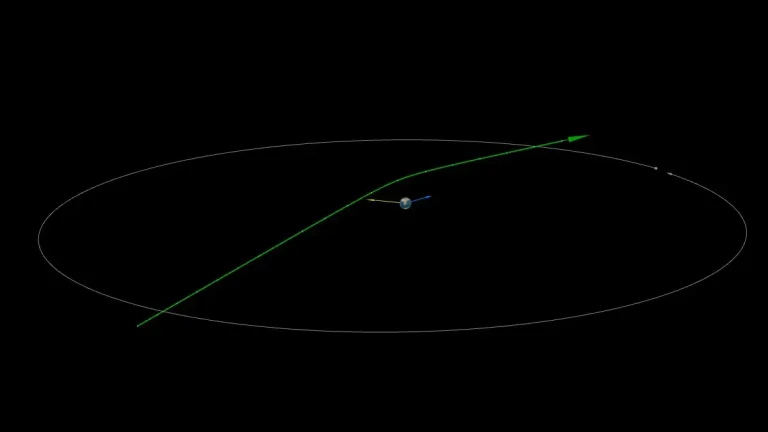
A newly discovered asteroid designated 2025 PU1 flew past Earth at a minimum distance of 0.08 LD (0.00218 AU / 29 300 km / 18 200 miles) from the center of our planet at 19:44 UTC on August 13, 2025.
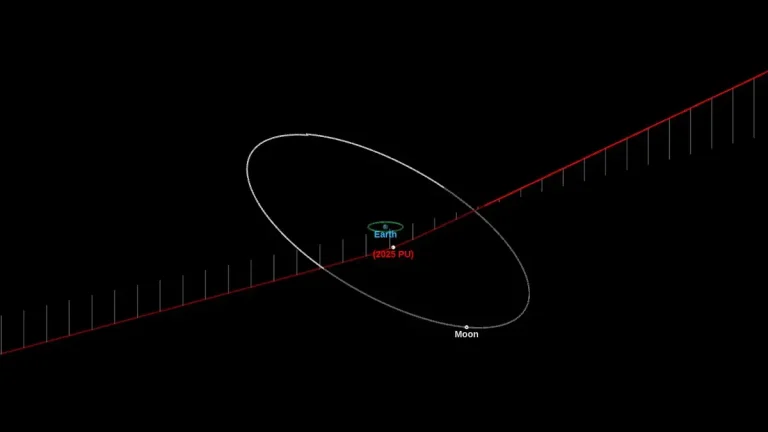
A newly discovered asteroid designated 2025 PU flew past Earth at a distance of just 0.14 LD (0.00035 AU / 53 000 km / 33 000 miles) from the center of our planet at 21:42 UTC on August 2, 2025.
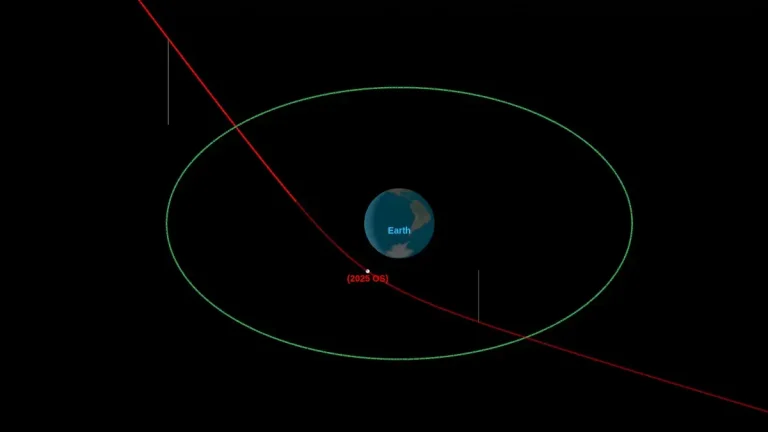
A newly discovered asteroid designated 2025 OS flew past Earth at a distance of just 0.03 LD (0.00007 AU / 10 457 km / 6 498 miles) at 03:21 UTC on July 19, 2025.

A newly discovered asteroid designated 2025 HH flew past Earth at a distance of just 0.07 LD / 0.000021 AU (27 847 km / 17 304 miles) from the center of our planet at 23:24 UTC on April 17, 2025.

A newly discovered asteroid designated 2025 FV12 flew past Earth at a distance of 0.26 LD / 0.00079 AU (118 518 km / 73 644 miles) from the center of our planet at 01:31 UTC on March 28, 2025. This was the first of two asteroid flyby’s within 1 lunar distance today.

A newly discovered asteroid designated 2025 FY6 flew past Earth at just 0.05 LD / 0.00015 AU (21 944 km / 13 636 miles) at 19:29 UTC on March 23, 2025.

The impact risk of asteroid 2024 YR4 in 2032 increased from 1.2% to 1.8% on February 6, 2025, following new trajectory simulations and refined calculations. While the increase remains within a low-risk range, continued monitoring and additional observations will be necessary to further refine impact predictions.
