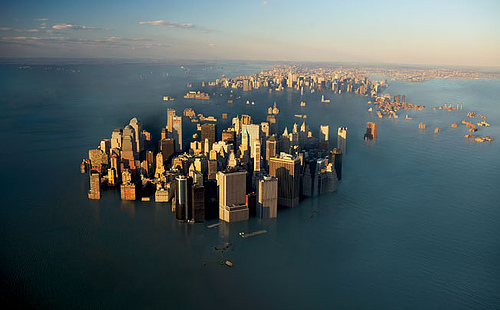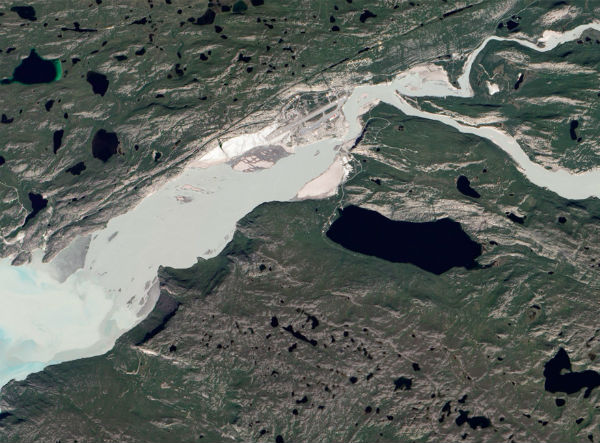
• Satellite images show flooding in Kangerlussuaq, Greenland

    Recent satellite images show flooding in Kangerlussuaq, a key air transportation hub on Greenland. Located in southwestern Greenland roughly 125 kilometers (75 miles) from the coast, Kangerlussuaq, or Kanger, hosts one of the island’s busiest commercial airports.
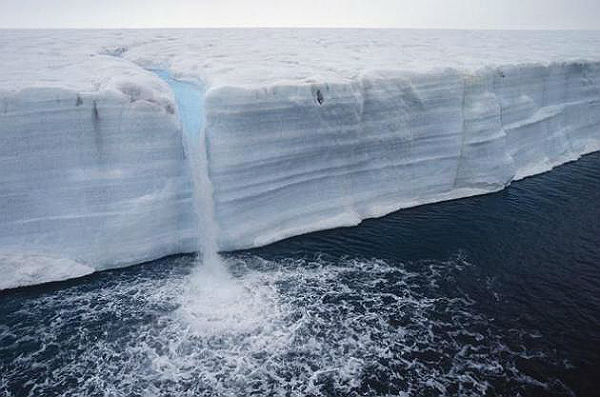
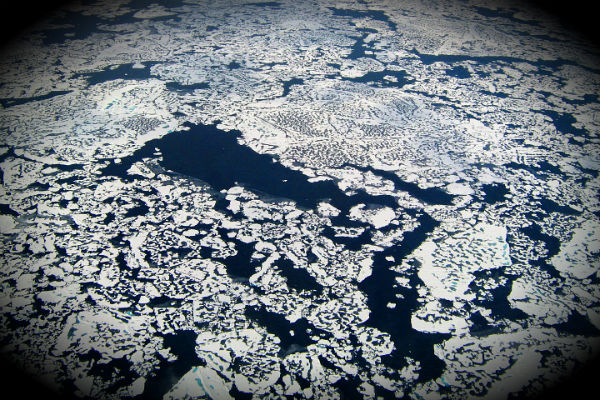
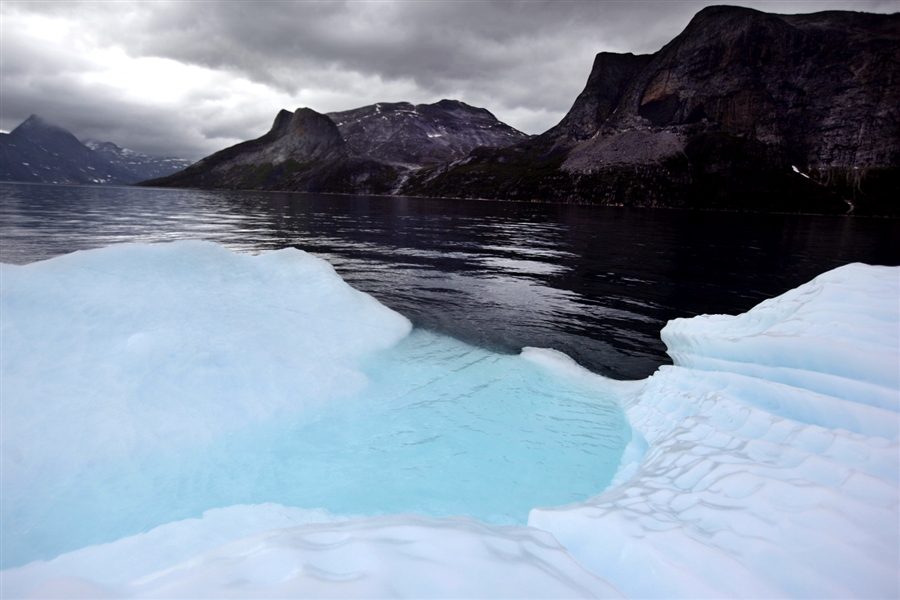
  • 97% of the Greenland’s ice sheet surface melted in mid-July

    Greenland’s surface ice cover melted over a larger area than at any time in more than 30 years of satellite observations in period of merely few days this month. Nearly the entire ice cover of Greenland, from its thin, low-lying coastal edges to its two-mile-thick

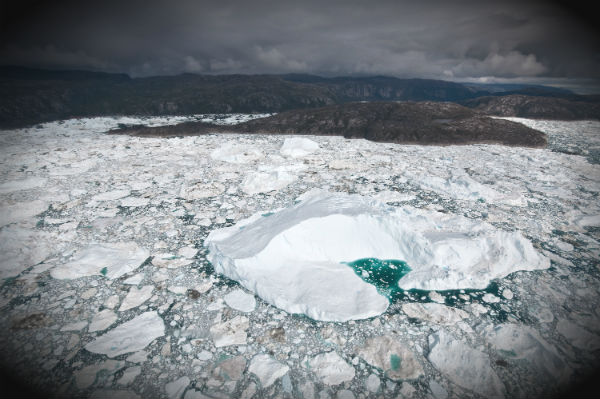
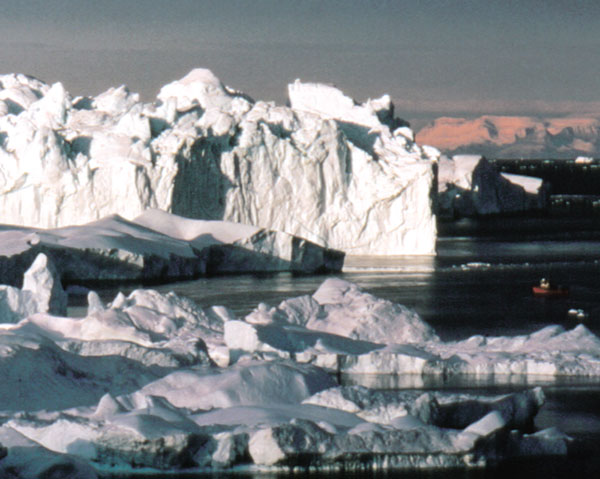
  • Iceberg tsunami gone wild! The wave nearly took out the tourist boat

    As a tourist was filming the Iceberg in Greenland yesterday, a part of the iceberg started to crack and break before their very own eyes. Before they knew it, part of that iceberg started to cave in to the sea. Luckily only a small part of what could have been a much

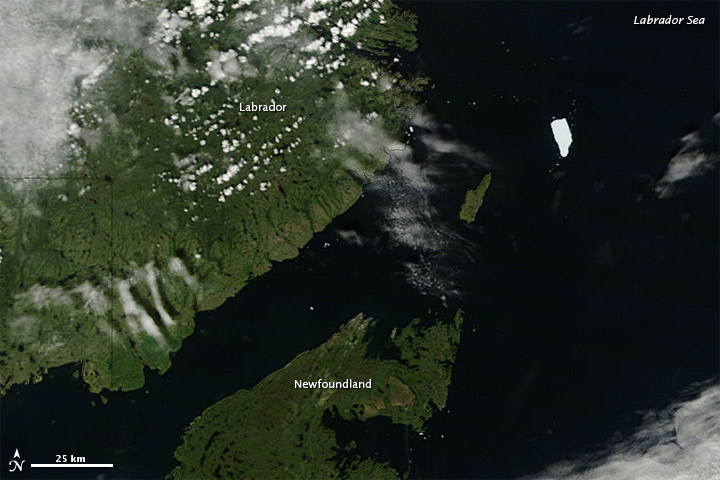
  • Iceberg PII-A splits in two off Newfoundland

    Over a year ago, on August 5, 2010, the Petermann Glacier on the northwestern coast of Greenland calved a very large ice island. About a month later, the ice island, estimated at that time as about four times the size of Manhattan, collided with an island and broke

  • Melting glaciers alter Earth’s gravity

    Melting glaciers can alter Earth’s gravity field, scientists have found, a discovery that is shedding light on when Greenland and Antarctica began heavily melting. Knowing the timing of this melting could help climate scientists make better estimates of the potential

  • Large variations in Arctic sea ice

    For the last 10,000 years, summer sea ice in the Arctic Ocean has been far from constant. For several thousand years, there was much less sea ice in The Arctic Ocean – probably less than half of current amounts. This is indicated by new findings by the Danish National

  • New York ‘at risk’ as seas rise

    New York is a major loser and Reykjavik a winner from new forecasts of sea level rise in different regions.The Intergovernmental Panel on Climate Change (IPCC) said in 2007 that sea levels would rise at least 28cm (1ft) by the year 2100. But this is a global average;