G3 – Strong geomagnetic storm in progress
A coronal mass ejection (CME) produced by a long-duration M8.2 solar flare at 07:09 UTC on August 1, 2024, reached Earth early on August 4, causing G3 – Strong geomagnetic storming.

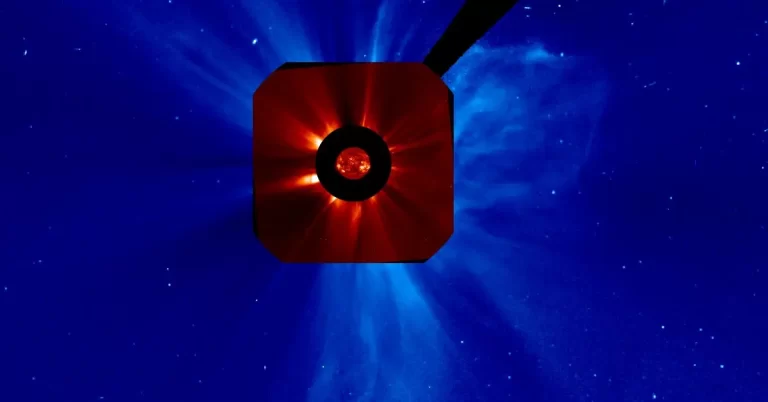
A coronal mass ejection (CME) produced by a long-duration M8.2 solar flare at 07:09 UTC on August 1, 2024, reached Earth early on August 4, causing G3 – Strong geomagnetic storming.

Two stealth coronal mass ejections (CMEs) impacted Earth over the past 24 hours, sparking G1 – Minor to G3 – Strong geomagnetic storming. A G3 – Strong (or greater) Geomagnetic Storm Warning remains in effect through 21:00 UTC on May 2, 2024.
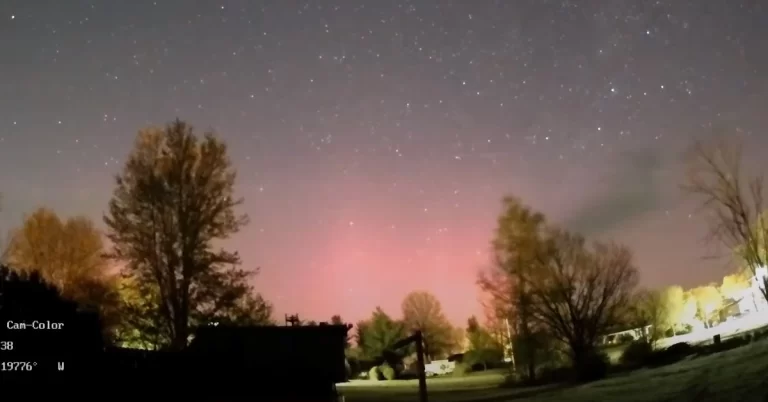
Solar wind conditions became enhanced beginning at 04:13 UTC on April 19, 2024, due to coronal mass ejection (CME) impact, resulting in unexpected G3 – Strong geomagnetic storming just before 20:00 UTC.
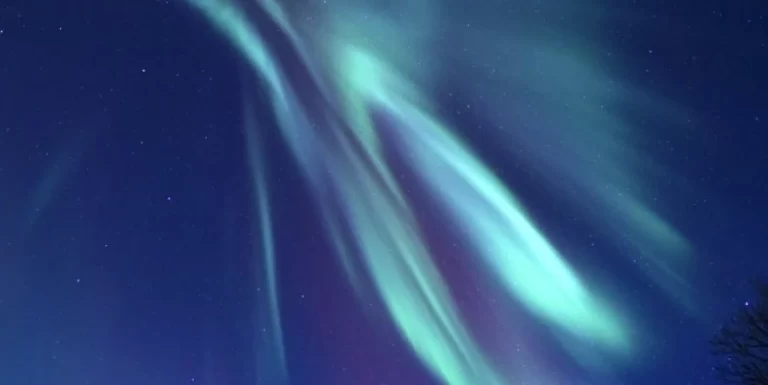
Multiple coronal mass ejections (CMEs) produced on November 27 and 28, 2023, impacted Earth on December 1, sparking G3 – Strong geomagnetic storm. Similarly to the last G3 storm, on November 5, spectacular aurora sightings were reported from both hemispheres.

A G3 – Strong geomagnetic storming was observed on Sunday, November 5, 2023, as a result of the impact of two successive coronal mass ejections (CMEs) from the Sun. The storm produced auroras extending into the lower latitudes such as Colorado and Texas in the United States and Greece in Europe, which is unusual for such regions. Many people across both hemispheres have also recorded and captured rare red aurora.

Two coronal mass ejections (CMEs) impacted Earth on September 18, 2023, producing G3 – Strong geomagnetic storming.

A coronal mass ejection (CME) produced by filament eruption on August 2, 2023, combined with a smaller CME produced on August 1 and reached our planet at 02:53 UTC on August 5.

A combination of factors led to unexpectedly strong geomagnetic storm levels on Thursday, March 23, and Friday, March 24, 2023. The storm reached G3 – Strong levels at 14:49 UTC on March 23 and escalated to G4 – Severe at 04:04 UTC on March 24. The precise cause of this geomagnetic storm is still under investigation, but it is possible that coronal mass ejections (CMEs) from March 20 to 21 played a role.
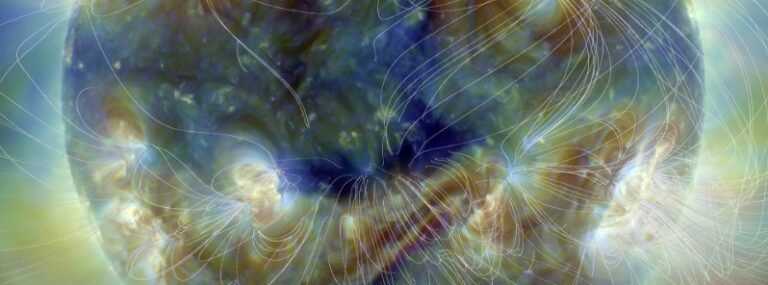
An equatorial, negative polarity coronal hole high speed stream (CH HSS) coupled with waning coronal mass ejection (CME) influence produced a G3 – Strong geomagnetic storm conditions early April 10, 2022. Conditions could further escalate and even reach G4 – Strong or G5 – Extreme conditions.
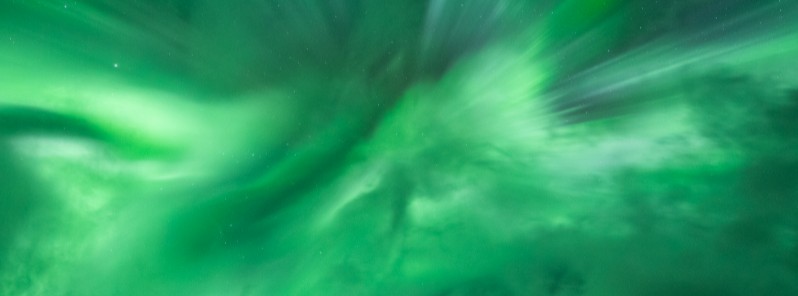
A coronal mass ejection (CME) produced by the long-duration M1.7 solar flare1 at 03:01 UTC on November 2, 2021, reached Earth at 19:57 UTC on November 3, sparking G3 – Strong geomagnetic storming. The CME overtook and merged with at least one, possibly two or more,…
