• Heat Advisories span 12 states from Texas to Indiana, heat index up to 46°C (114°F) forecast

    Heat Advisories issued by 16 National Weather Service (NWS) forecast offices cover portions of 12 U.S. states from September 14 through September 16, 2026, with heat index values forecast to reach 46°C (114°F) in southern Texas. The advisories extend from Texas and Oklahoma through the Lower Mississippi Valley and Mid-South into Indiana and Kentucky.
  • Advisories issued as dangerous heat persists from Texas to lower Mississippi Valley

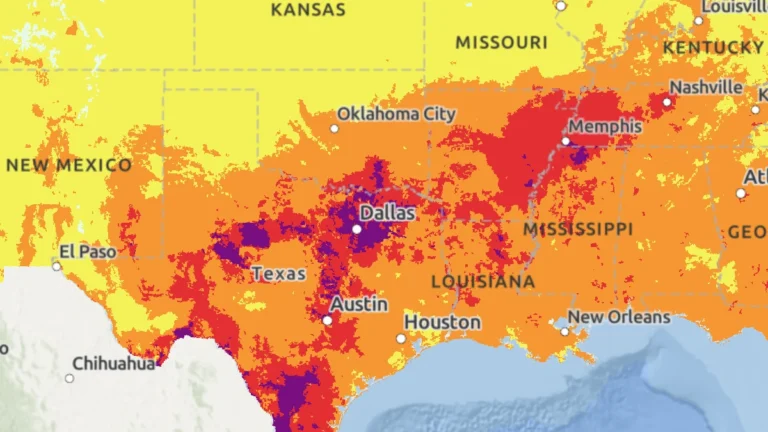
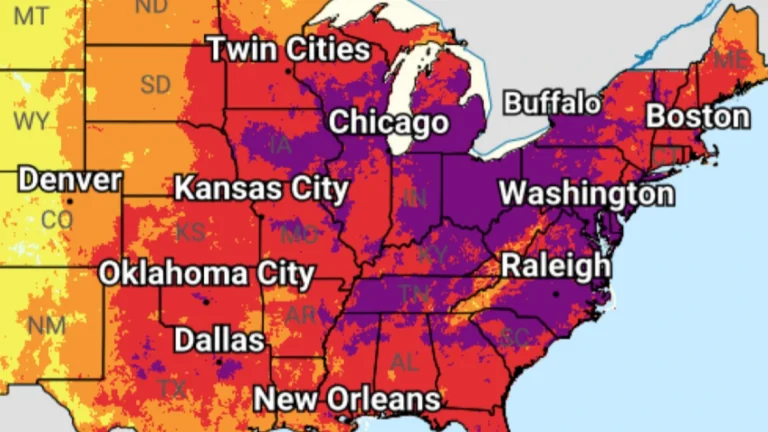
    The National Weather Service (NWS) issued Heat Advisories for parts of Arkansas, northern Mississippi and western Tennessee from 11:00 to 20:00 CDT on September 10, 2026 (16:00 UTC on September 10 to 01:00 UTC on September 11). Heat-index values could reach approximately 43°C (109°F) in central, eastern and southeastern Arkansas and 42°C (107°F) elsewhere in the Mid-South. Farther west, temperatures near 38°C (100°F) are forecast in parts of North Texas as dangerous late-summer heat persists across the southern United States.

  • NWS heat advisories cover parts of 17 states on September 1, heat indices up to 43°C (110°F) forecast, U.S.

    Heat Advisories covered a broad corridor from the southern Plains and lower Mississippi Valley through the Midwest, Ohio Valley and parts of the Mid-Atlantic on September 1, 2026. National Weather Service (NWS) offices forecast heat indices from around 37.2°C (99°F) to 43°C (110°F), with several multi-day products citing limited overnight relief as a factor in maintaining the advisories.

  • Extreme heat alerts cover portions of 31 U.S. states, heat index up to 46°C (115°F)

    Extreme Heat Warnings, Extreme Heat Watches, and Heat Advisories are in effect across 31 U.S. states after the National Weather Service (NWS) issued a series of heat alerts on June 29, 2026. Peak heat index values are forecast to reach 46°C (115°F), with dangerous heat and humidity expected to persist into early July across parts of the Midwest, Northeast, Southeast, and central United States.

  • Heat Advisories in effect across central U.S., heat index values up to 42°C (108°F) forecast

    Dangerous heat is expected across much of the central United States on June 9, 2026, with multiple National Weather Service offices warning that heat index values will reach 38 to 42°C (100 to 108°F) during the afternoon and evening. Heat Advisories remain in effect across Kansas, Missouri, Arkansas, Tennessee, Mississippi, Iowa, Nebraska, South Dakota, Minnesota, and Wisconsin, with the most dangerous conditions forecast across the Mid-South.

  • Freeze Warnings and Watches issued across parts of Texas, Oklahoma, Arkansas, Louisiana, Mississippi, Alabama, Missouri, and Tennessee

    Freeze Warnings and Watches have been issued for parts of eight southern U.S. states as sub-freezing temperatures are forecast from March 16 into March 17, 2026. Temperatures could fall as low as −12°C (10°F) in the coldest parts of Arkansas, while many other areas are expected to bottom out in the −7°C to −2°C (19 to 28°F) range. Frost, freeze conditions, and gusty post-frontal winds may damage sensitive vegetation and, in the coldest areas, affect exposed outdoor plumbing.

  • 8 dead in Michigan and Oklahoma as over 25 tornadoes hit central United States

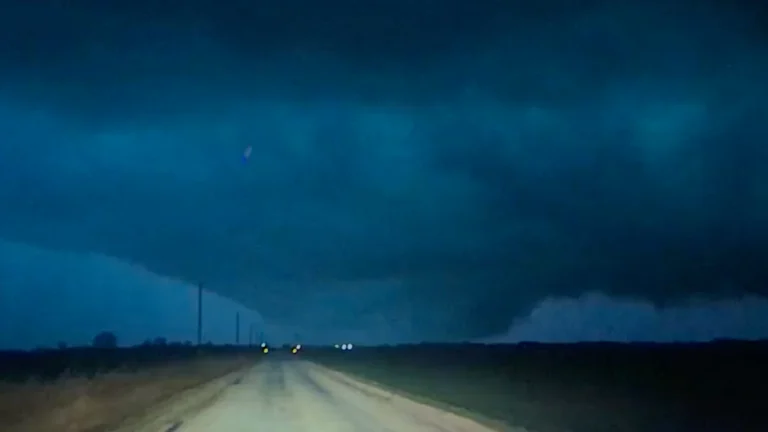
    At least eight fatalities have been confirmed in parts of Michigan and Oklahoma as a severe weather outbreak spawned dozens of tornadoes across five states between March 5 and 6, 2026. Four fatalities were reported in Michigan and four were reported in Oklahoma, while injuries and widespread destruction were reported across the affected regions.

  • Over 100 fatalities confirmed after major January 2026 U.S. winter storm

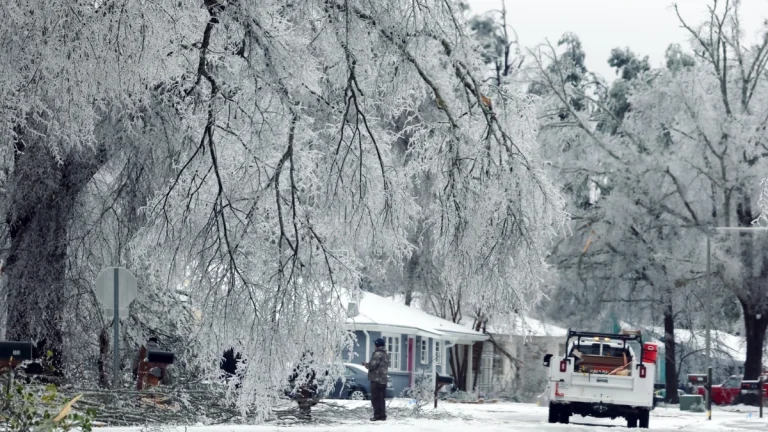
    Up to 115 fatalities have been reported across more than 20 states in the U.S. after a historic winter storm swept through the eastern two-thirds of the country between January 24 and 26, 2026. The storm is now the deadliest since the 2021 Texas power crisis, when multiple storms claimed nearly 250 lives across the country, and has surpassed the death toll of the 2022 Buffalo Blizzard of the Century.