
In 2005, a driver near Russia’s Chulyshman River picked up a stone to wedge under his car wheel and kept it for 20 years; the Meteoritical Bulletin has now approved it as the Altai Republic’s first meteorite.
A stone picked up near the Katu-Yaryk pass in Russia’s Altai Republic in 2005 and initially used to chock a vehicle wheel was officially recognized on September 22, 2026, as the Chulyshman meteorite. The V.S. Sobolev Institute of Geology and Mineralogy of the Siberian Branch of the Russian Academy of Sciences (IGM SB RAS) said it is the first meteorite discovered in the republic and the 160th in Russia; laboratory examination classified it as a heavily oxidized H5 ordinary chondrite.
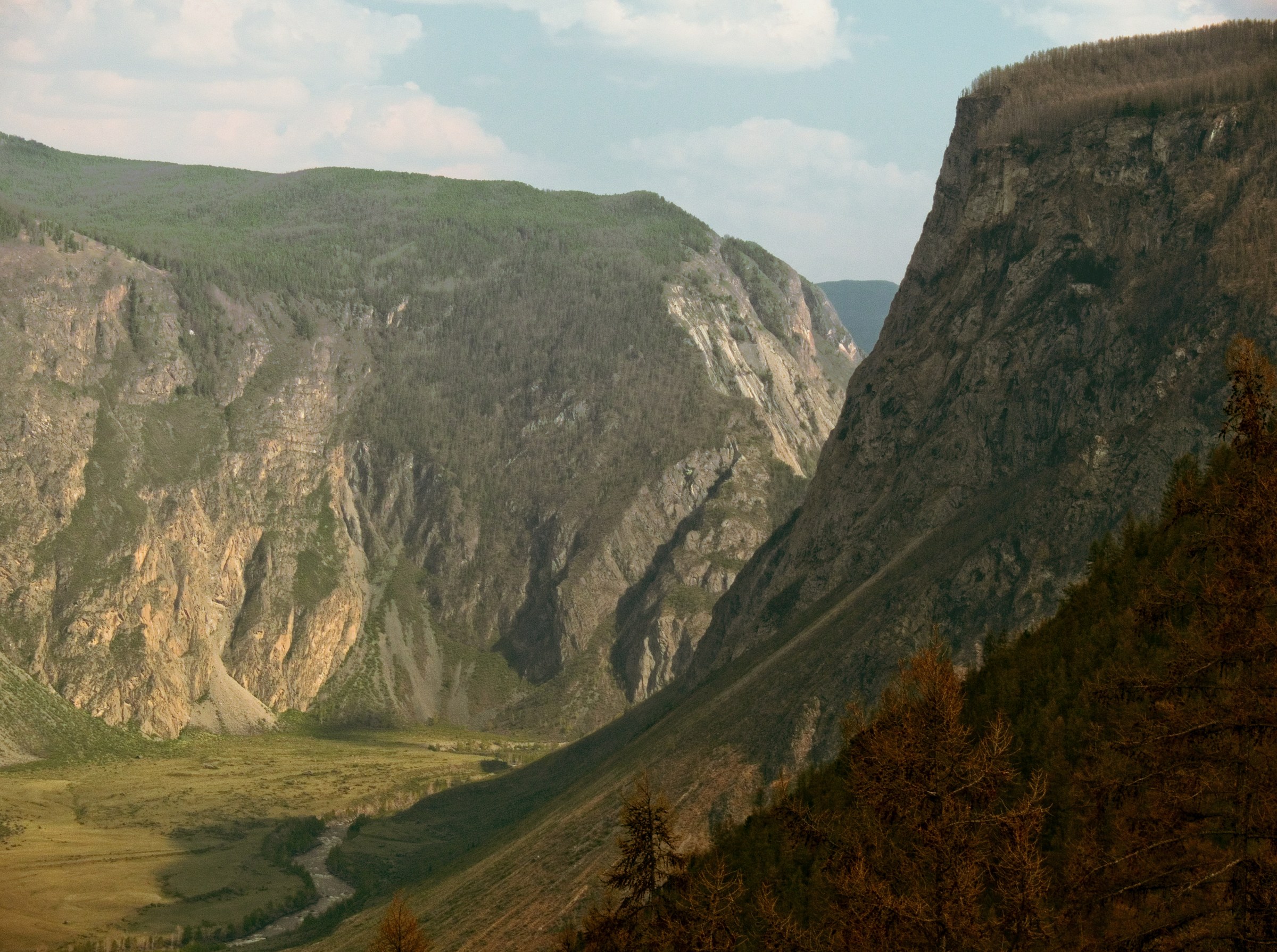
Chulyshman reka 01. Credit: sashapo (CC BY 2.0), via Wikimedia Commons.
IGM said the finder was a local resident who picked up the stone in 2005 near the Katu-Yaryk pass in Ulagansky District, on the bank of the Chulyshman River. He initially placed it beneath a vehicle wheel, became interested in the stone and later tried to have the find examined or sold. After encountering fraudsters, he kept it for about 20 years.
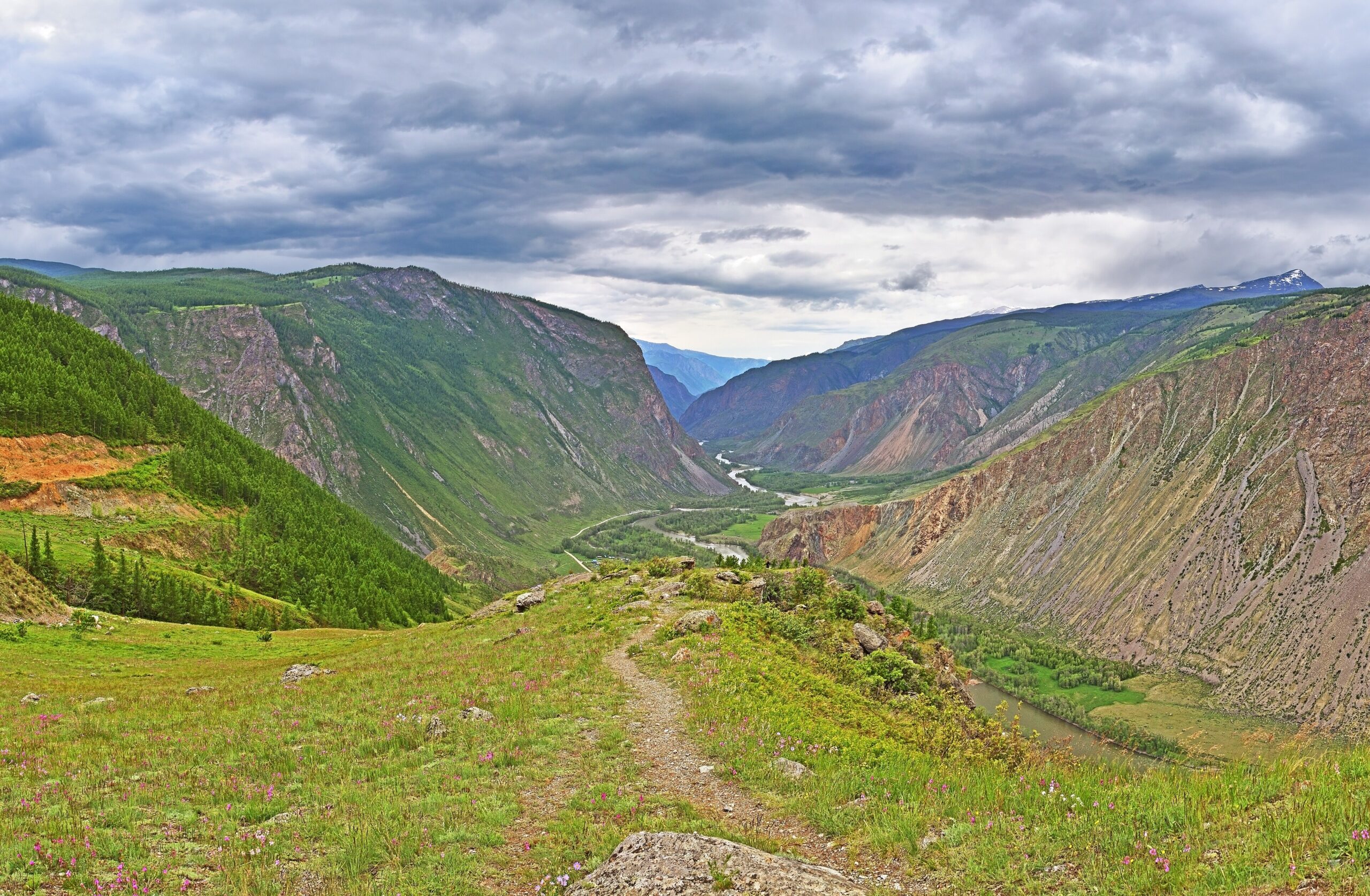
In 2025, the finder donated the stone to Viktor Likhachev, head of the Samotsvety creative association in the village of Verkh-Uymon. IGM said Likhachev considered proper scientific examination necessary and the specimen subsequently reached researchers at the institute.
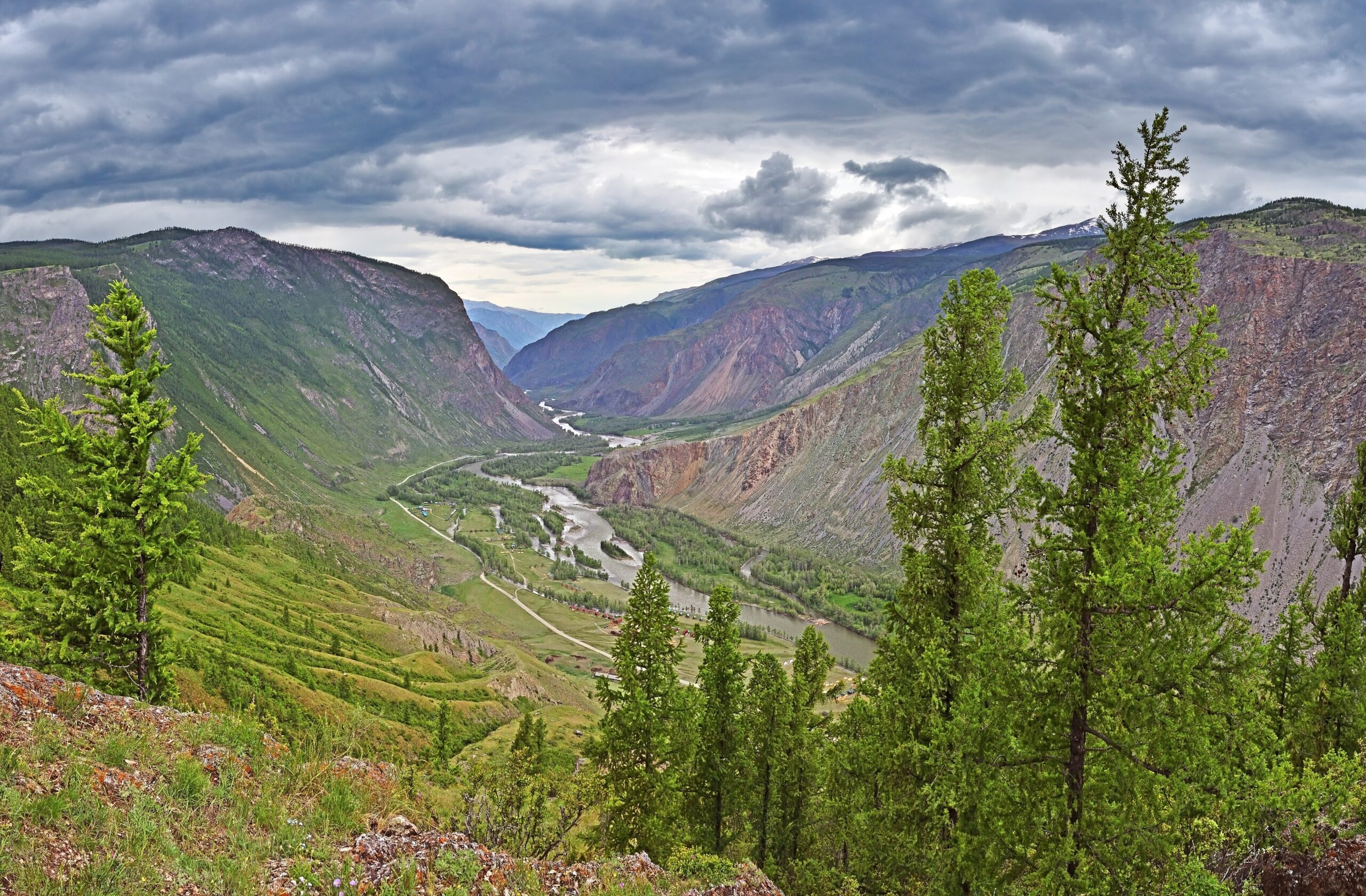
IGM scientists Andrey Vishnevsky and Viktor Sharygin examined fragments of the meteorite, documented its structure and chemical composition and submitted an application for formal recognition. IGM reported that the meteorite was entered into the Meteoritical Bulletin database under the name Chulyshman on September 22, 2026.
The Meteoritical Bulletin Database classification system defines H5 as an ordinary chondrite belonging to the high-iron H chemical group and petrologic type 5. Type 5 material has undergone sufficient thermal metamorphism to homogenize major silicate minerals and make many original chondrule outlines less distinct.
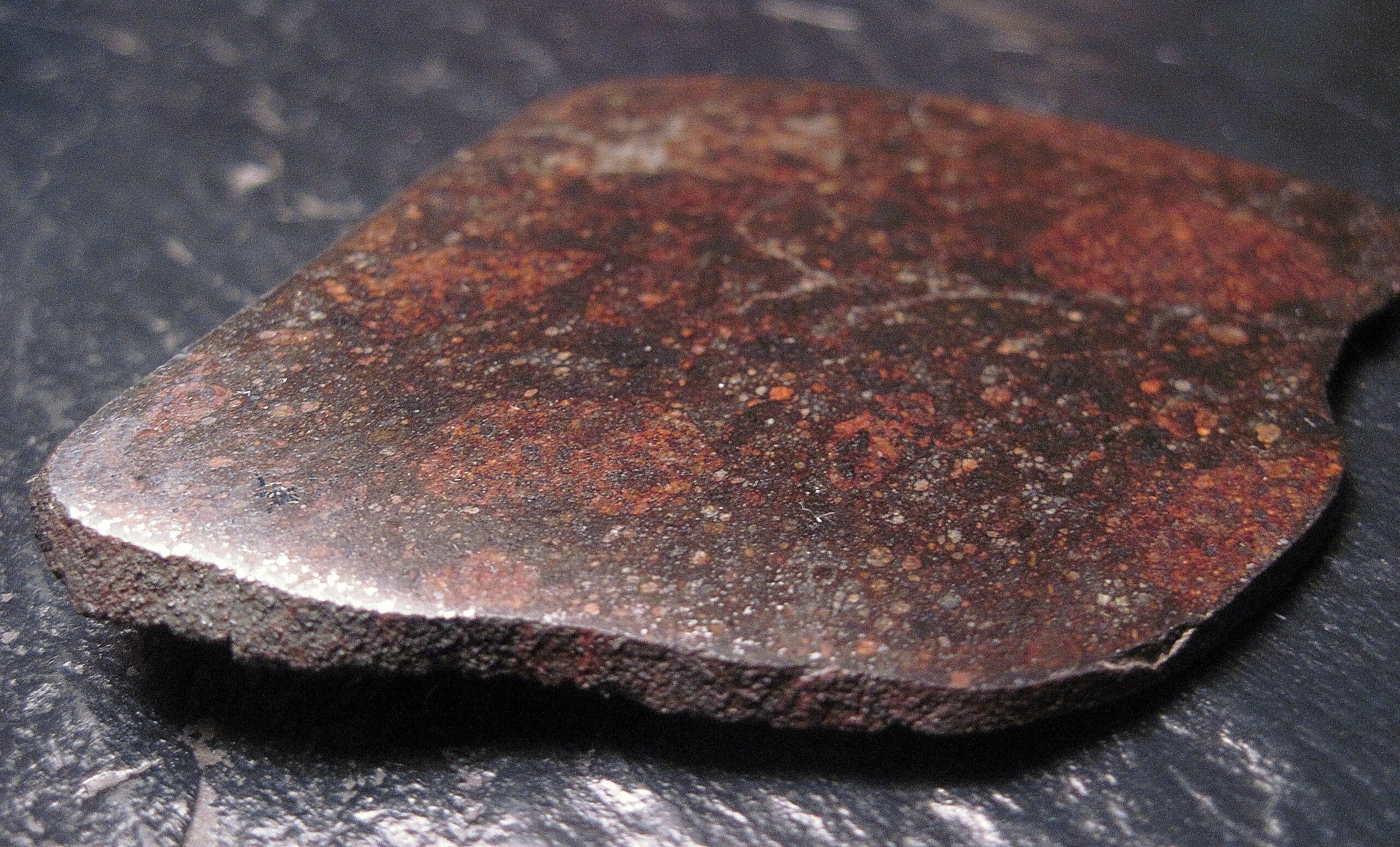
Chulyshman’s remaining chondrules are uncommon and show several textures. IGM reported that granular and porphyritic forms predominate, with barred and radial structures occurring less frequently.
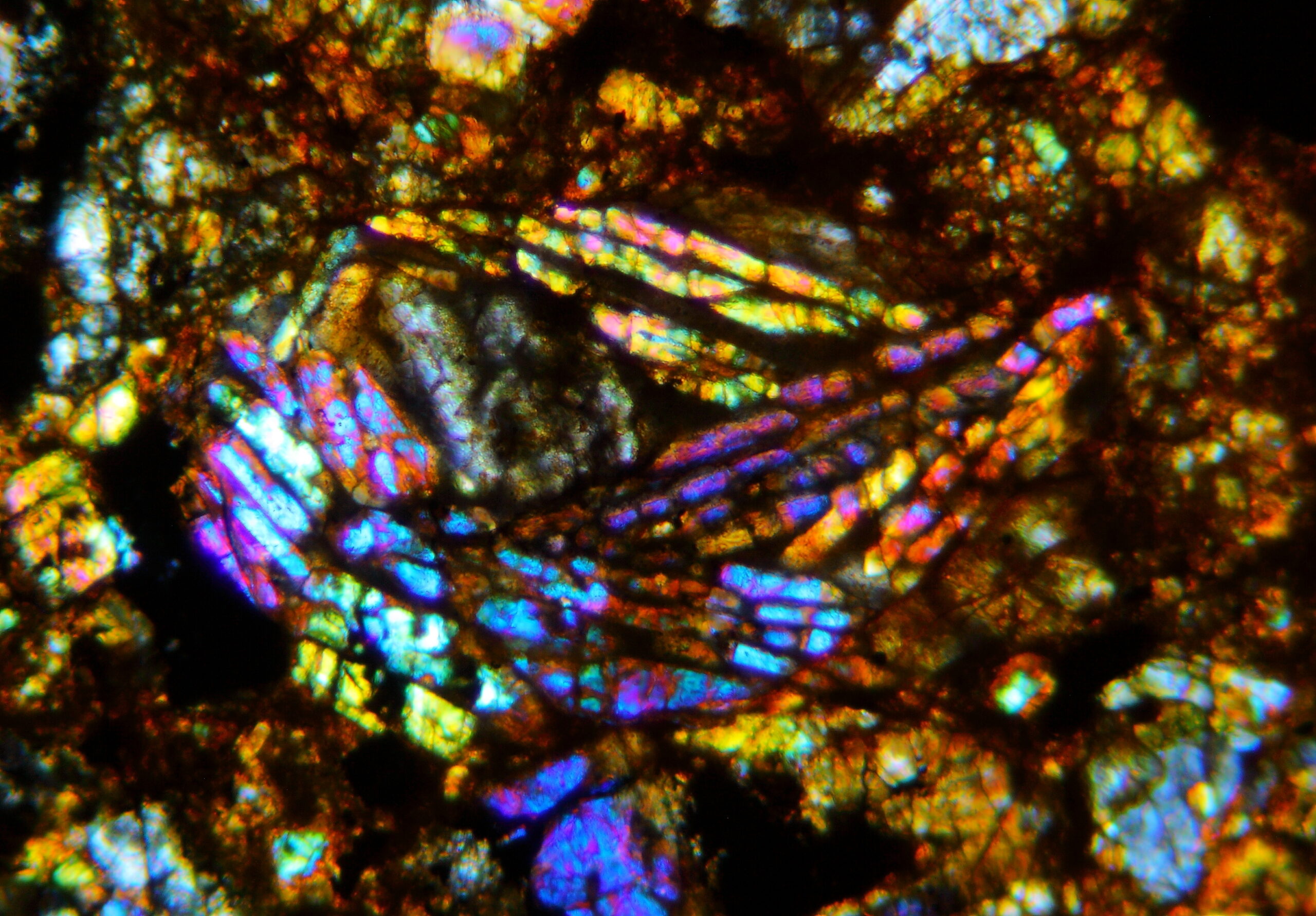
The main mineral assemblage identified by IGM consists of granular olivine, orthopyroxene and clinopyroxene with plagioclase, the iron sulfide troilite and abundant Fe-Ni alloy. The institute also reported smaller amounts of chromite, pentlandite, ilmenite, chlorapatite, native copper and the phosphate mineral merrillite.
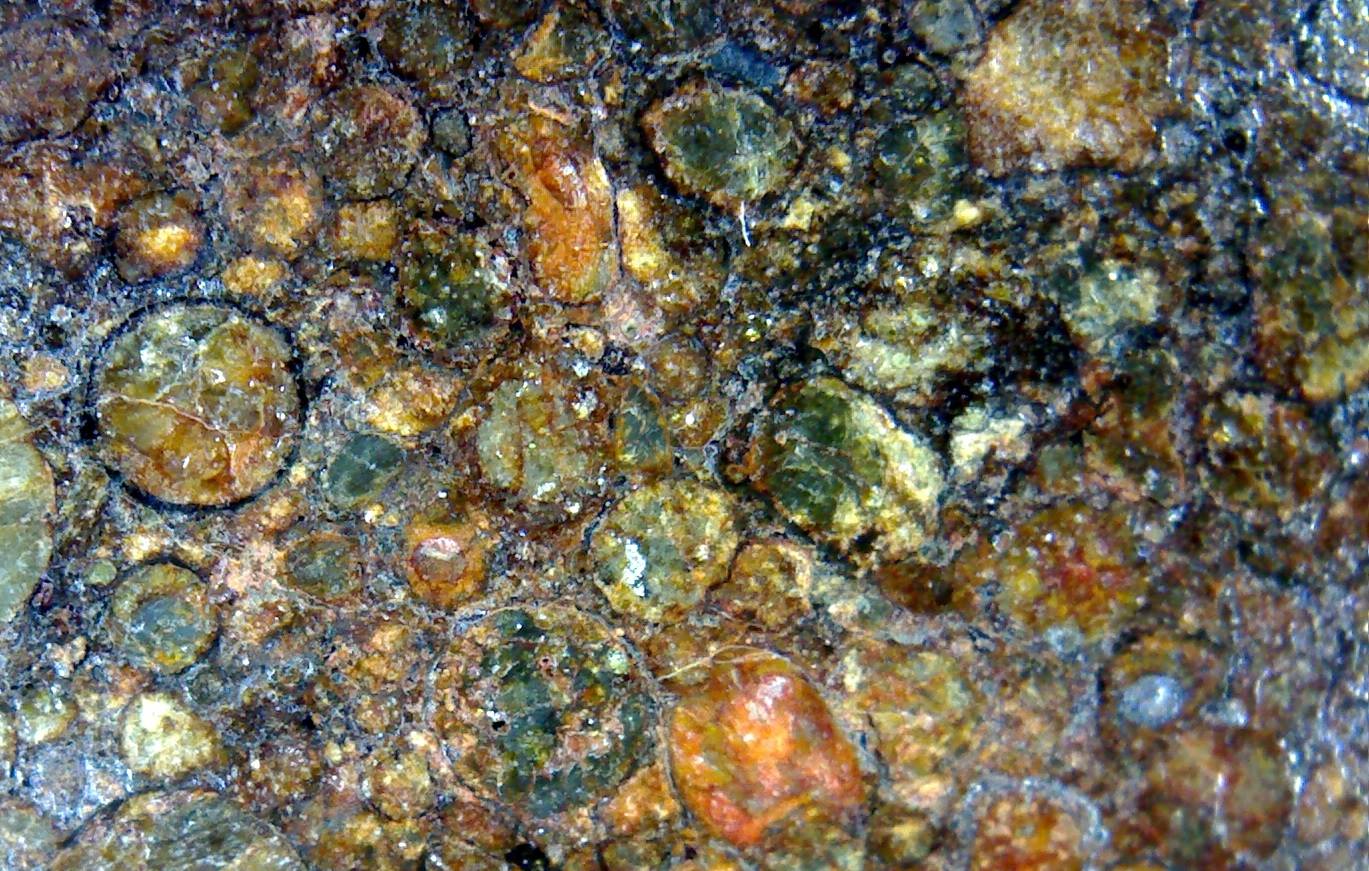
Terrestrial weathering has substantially altered Chulyshman. IGM found that a significant part of its original sulfides and metal had been replaced by iron hydroxides forming rims, concentrations and veins. Microscopic examination also showed fine branching fractures filled with goethite.
The degree of oxidation provides the basis for the institute’s estimate of how long the meteorite has been on Earth. IGM estimated that at least several hundred years, and probably considerably longer, had passed since its fall. The estimate is based on alteration of the specimen and does not establish a precise fall date.
IGM also noted that Novosibirsk and Chelyabinsk are ordinary chondrites and reported that Chulyshman has a comparatively high content of metal and sulfides. The institute described the specimen as strongly oxidized despite the abundance of those phases in its original mineral assemblage.
A fragment of Chulyshman is planned for display at the Central Siberian Geological Museum in Akademgorodok. The main mass, described by IGM as the largest fragment, is displayed at the Samotsvety museum in Verkh-Uymon in the Altai Republic’s Ust-Koksinsky District.
References:
1 Метеорит «Чулышман». В ИГМ СО РАН изучили первый метеорит, найденный на территории Горного Алтая – V.S. Sobolev Institute of Geology and Mineralogy, Siberian Branch of the Russian Academy of Sciences – November 6, 2026
2 Meteoritical Bulletin: Recommended classifications – Meteoritical Bulletin Database – Accessed November 15, 2026

I’m a science journalist and researcher at The Watchers, contributing to the Epicenter edition, where I cover peer-reviewed scientific research and emerging discoveries across Earth and space sciences. With a background in astronomy and a passion for environmental science, I’ve worked in shark and coral conservation in Fiji, conducting reef and shark-behavior research, contributing to mangrove restoration, and earning PADI Open Water and Coral Reef Certifications. I bring a blend of scientific rigor and storytelling to illuminate the discoveries shaping our planet and beyond.
Published in the last 24 hours
- The Leonid meteor shower peaks on the night of November 17, exactly 60 years after the 1966 storm, when some observers reported meteors falling at up to 40 a second, though this year’s show should be closer to 15 an hour
- When Arctic air reached South Florida in January 2020, Miami fell to 40°F and the National Weather Service warned residents to watch for cold-stunned iguanas dropping out of the trees Epicenter
- In May 2024, the strongest solar storm in 20 years put northern lights over the southern US, and across the Plains, GPS-guided tractors built to plant within an inch drifted about 10 feet off their rows Epicenter
- In 1943, a flight instructor in Texas flew a two-seat training plane into the eye of a hurricane because he was curious, then landed and took the base weatherman up for a second pass Epicenter
