• Geminid meteor shower peaks tonight

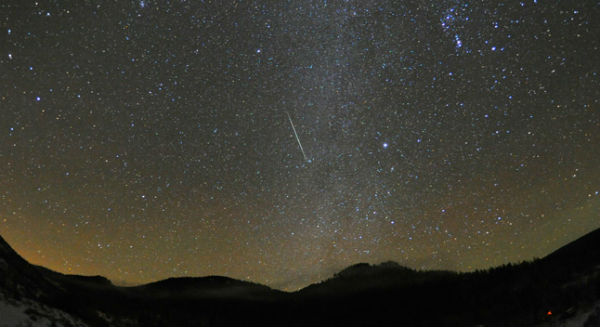
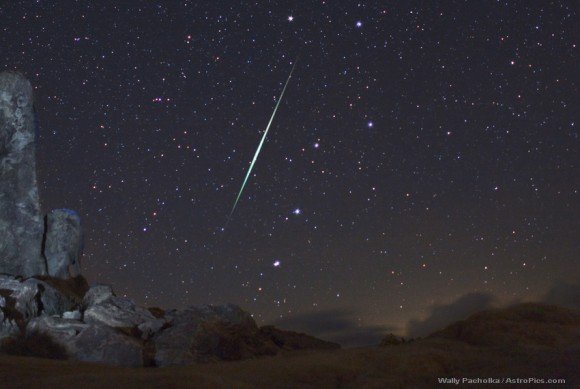
    The last big meteor shower of the year — the annual Geminids shower — peaks tonight (Dec. 13), but bright moonlight could illuminate the night sky and spoil one of the most spectacular light show of the year. On a clear night, skywatchers have reported seeing up to

  • 2011 Total lunar eclipse – Guide for skywatchers!

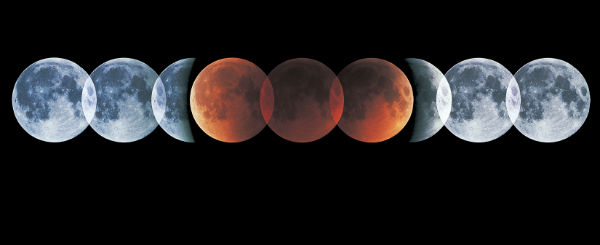
    The last  full Moon in 2011 will glide through the earth shadow producing a total lunar eclipse visible from the Pacific side of our planet.  The last eclipse of 2011 is a total lunar eclipse that takes place at the Moon’s descending node in eastern Taurus, four days

  • 2011 Geminid meteor shower peaks on December 14

    The Geminids start appearing on Dec. 7 and should reach peak activity around the 13th and 14th. Up to 100  meteors per hour could be visible under good viewing conditions. But the presence of an 82% illuminated waning gibbous Moon from mid-evening until morning

  • GOES-15 replaces GOES-11 as the operational GOES-West satellite

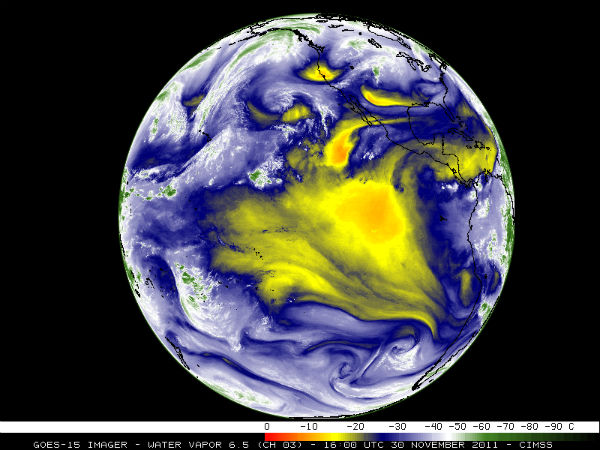
    For all our readers that use satellite images CIMSS Satellite blog announced today that at 15:46 UTC on 06 December 2011, GOES-15 replaced GOES-11 as the operational GOES-West satellite. GOES-11 (launched in 2000, and operational since 2006) was one of the older

  • Jupiter and Moon conjuction this evening

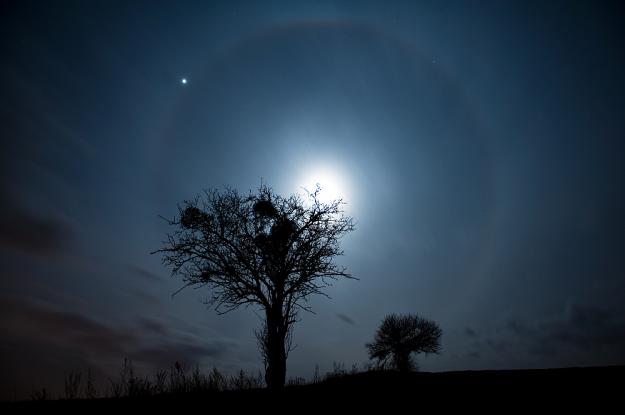
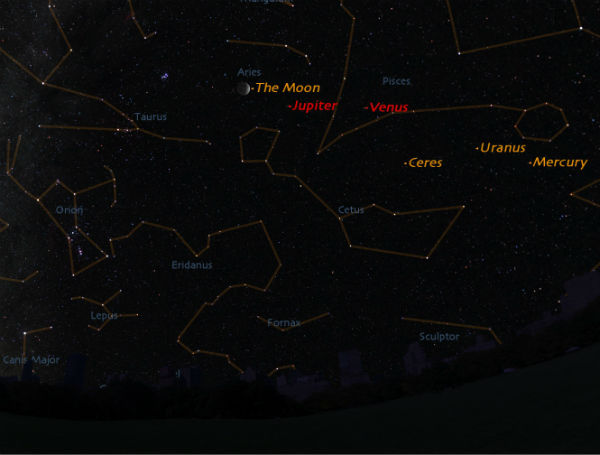
    When the sun goes down tonight, step outside and look east. Jupiter and the waxing full Moon are in conjunction less than 7o apart.Jupiter shines lower left of the Moon this evening. Although they look close together, Jupiter is 1,550 times farther away — and 40

  • No hope for Phobos-Grunt spacecraft – Reentry in mid-January

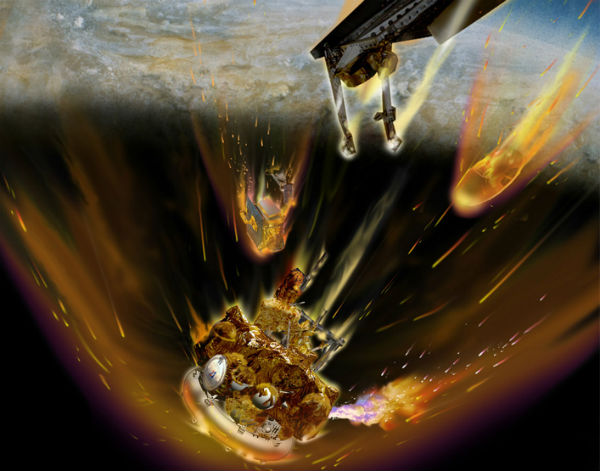
    The European Space Agency announced on Dec. 2 that it will stop trying to contact the stranded Russian Phobos-Grunt spacecraft, which has been stuck in the wrong orbit for almost a month now. So it looks like it will fall to Earth. Russia’s Phobos-Grunt probe launched

  • Solar activity at start of December

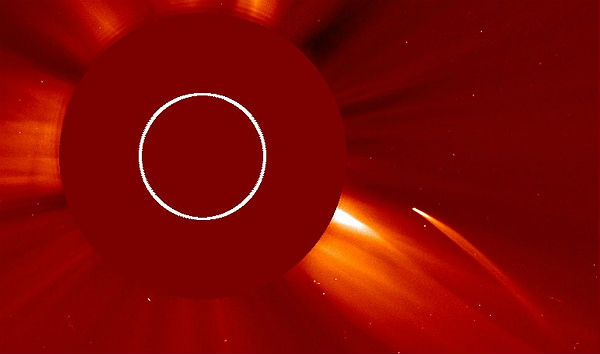
    With no strong flares this week, the sun’s x-ray output has nearly flatlined. The solar activity is quiet and is expected to continue for another 24+ hours. NOAA forecasters estimate a mere 20% chance of M-class solar flares.C-Class flares continue to be detected