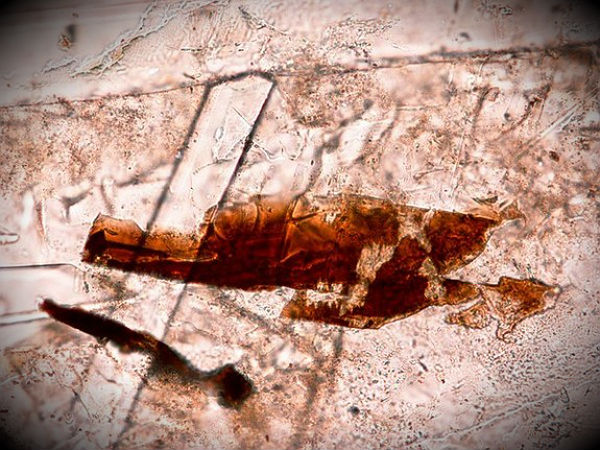
• Moon mineral Tranquillityite found in western Australia

    Scientists have identified what appear to be terrestrial versions of tranquillityite in billion-year-old rocksin Western Australia. Tranquillityite is a mineral consisting of iron, zirconium, yttrium, titanium, silicon and oxygen. It is named after the moon’s Sea of

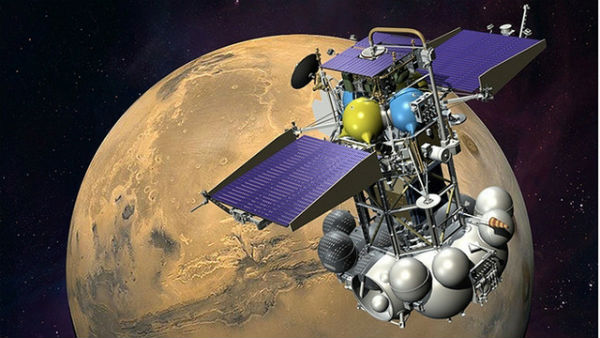
  • Phobos-Grunt probe reentry scheduled for January 15

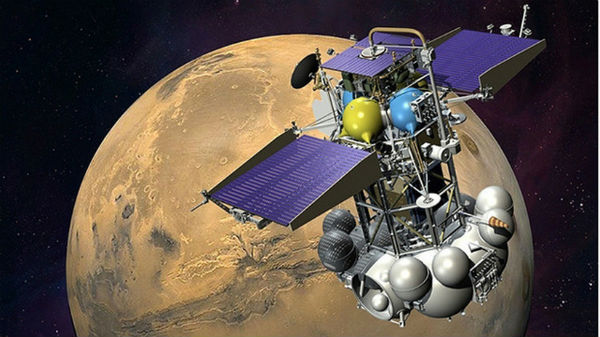
    The spokesman of Russia’s military space forces told Russian news agencies today that stranded Phobos-Grunt could fall to Earth on Jan. 15. About 30 fragments weighing up to 200 kilograms (440 pounds) are expected to fall to Earth. The $165-million Phobos-Grunt

  • 2012 Quadrantids guide for skywatchers

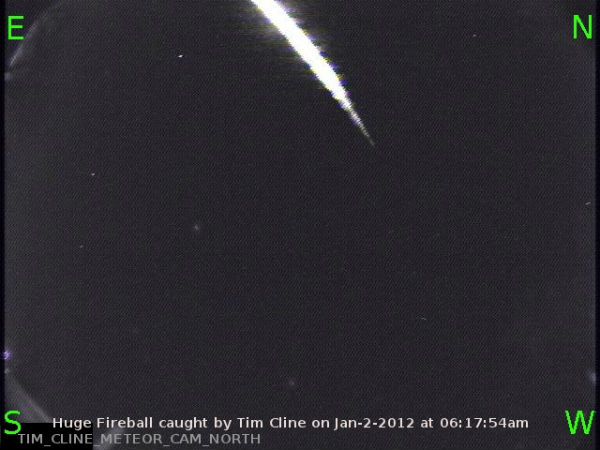
    Earth is about to pass through a stream of debris from 2003 EH1, a comet fragment that produces the annual Quadrantid meteor shower. Forecasters expect the shower to peak around 07:20 UT (02:20 am EST) on Wednesday morning, January 4th. At maximum, as many as 100

  • The 2012 Quadrantid meteor shower

    The first meteor shower this year —  Quadrantid meteor shower —  will occur at around 2 a.m. EST (0700 GMT) on Jan. 4. While many meteor displays in 2011 were washed out by a bright moon, the Quadrantid meteor shower is expected to put on a spectacular light

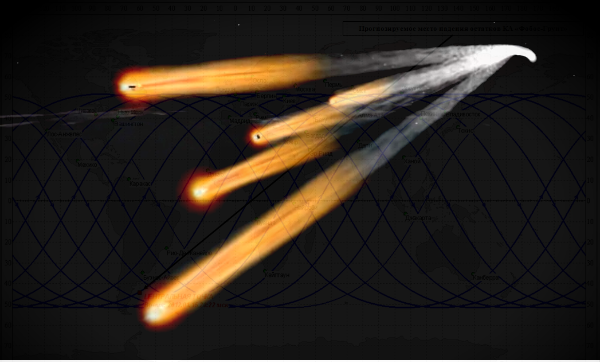
  • Phobos-Grunt re-entry animation

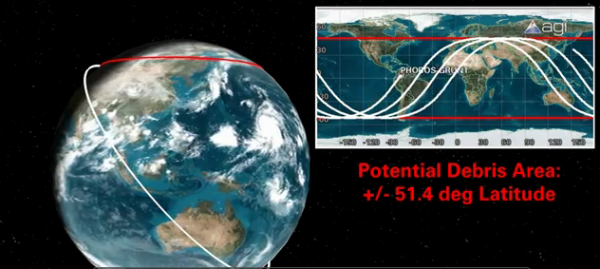
    Phobos-Grunt re-entry is projected to enters Earth atmosphere in early January 2012. Most of the spacecraft and leftover onboard fuel will burn up in the atmosphere, although some pieces may survive reentry, including the Planetary Society’s LIFE experiment. The

  • NASA’s twin GRAIL spacecraft successfully entered lunar orbit

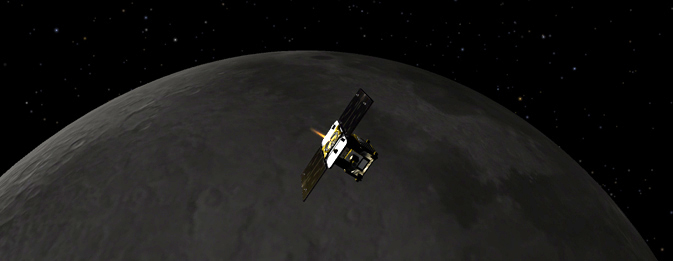
    NASA’s twin spacecraft GRAIL successfully completed its entry to lunar orbit and is preparing to study the moon in unprecedented detail. It will allow scientists to understand what goes on below the lunar surface. In this particular case the name GRAIL stands

  • Night sky guide for January 2012

    January brings us striking views of the night skies! You’ll be able to see well known constellations during the long hours of darkness in the Northern hemisphere, with crisp cold skies. This is an ideal time to get out and look at the wonders of the night sky as t