• 2011 Leonid meteor shower

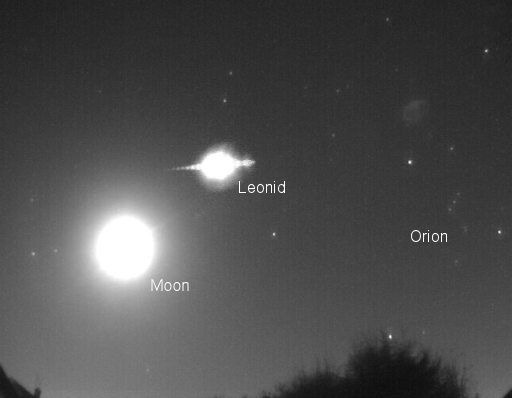
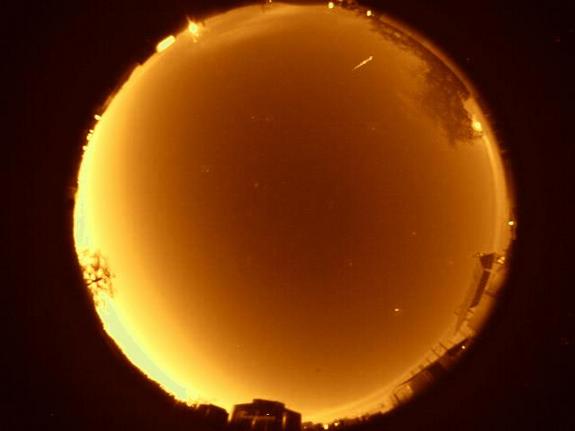
    Earth is passing through the debris field of Comet Tempel-Tuttle, parent of the annual Leonid meteor shower. Barring a direct hit by a filament of dust, which forecasters consider unlikely, this year’s shower should be mild. Peak rates of 10 to 20 meteors per hour are

  • Another Venus-directed CME

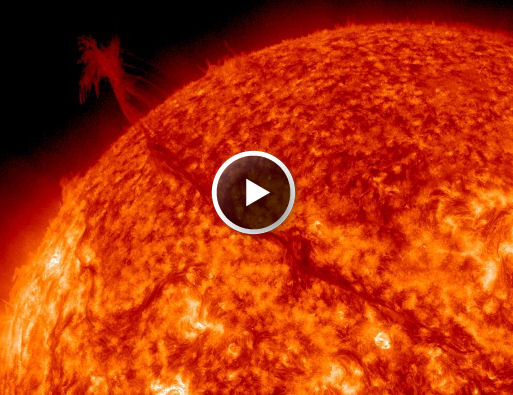
    A magnetic prominence dancing along the sun’s southeastern limb became unstable on Nov. 15th and slowly erupted. NASA’s Solar Dynamics Observatory recorded the coronal mass ejection (CME), which unfolded over a period of thirteen hours: The eruption hurled a cloud

  • Pair of M-Class flares and eruption filament

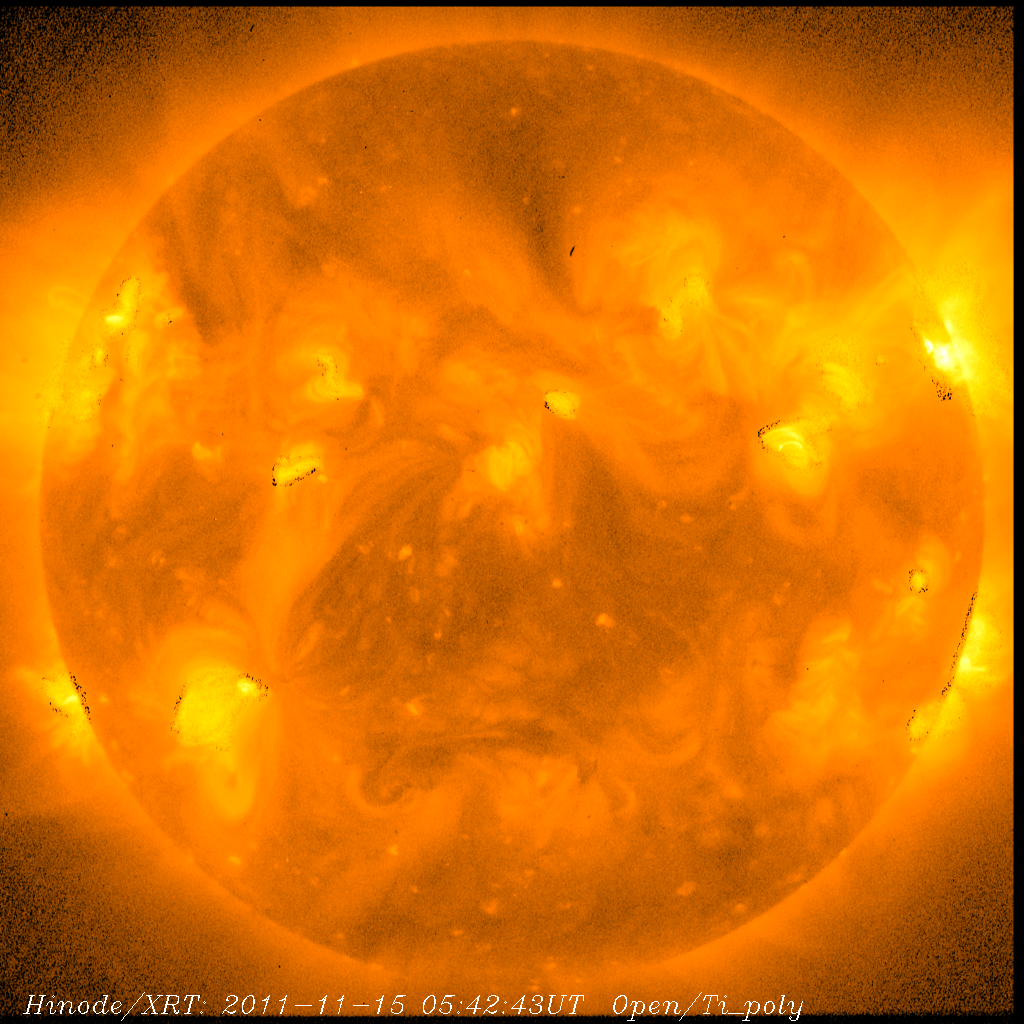
    A pair of M-Class flares took place on Tuesday morning. The first one registered M1.2 and was centered around Sunspot 1348 which is located near the northwest limb. The second event at 12:43 UTC peaked at M1.9 and was located around Sunspot 1346 in the southern

  • Phobos-Grunt uncontrolled reentry

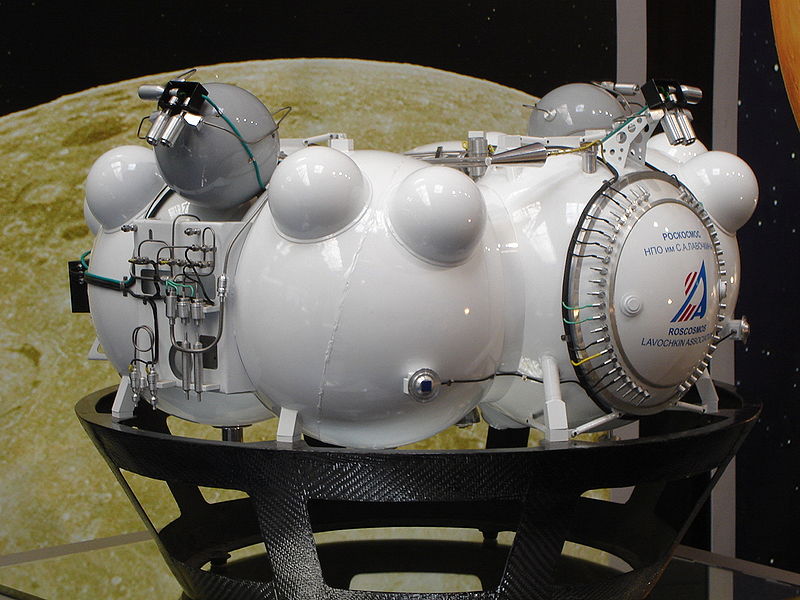
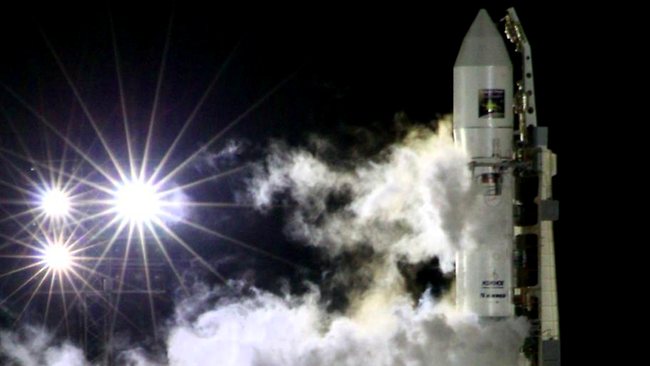
    Phobos-Grunt, the Russian interplanetary mission is coming back little to early. Following a successful launch from Russia’s Baikonur Cosmodrome in Kazakhstan and the subsequent separation of the Phobos-Grunt probe from its booster rocket on Wednesday morning, its

  • Venus-directed CME

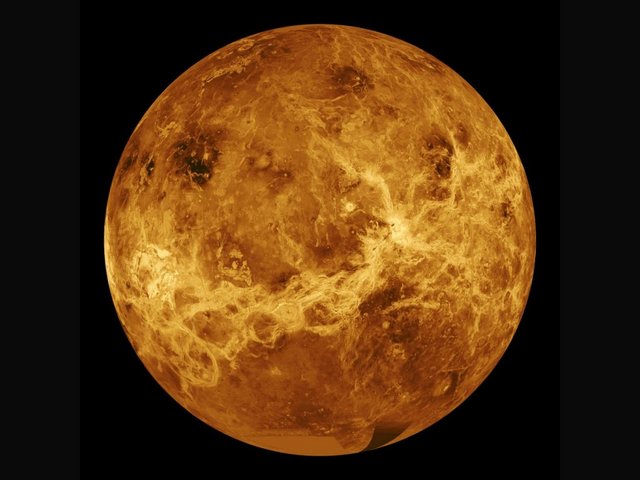
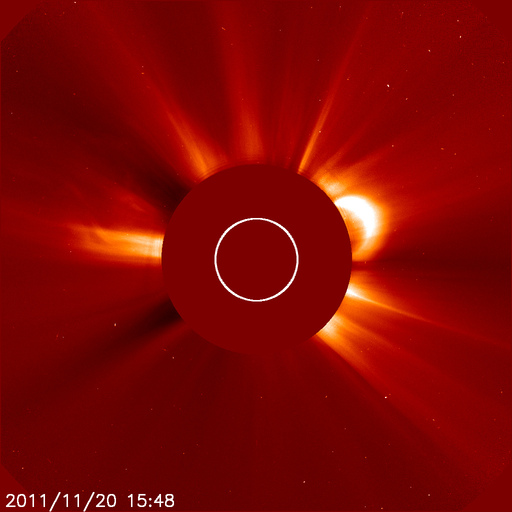
    A coronal mass ejection (CME, movie) that swept past Mercury on Nov. 13th will likely hit Venus later today. Because Venus has no global magnetic field to protect it, the impact could erode material directly from the top of the planet’s atmosphere. Venus has atmosphere

  • New time-lapse video from ISS

    The latest time-lapse sequence of photographs by ISS Space crew shows period fromAugust to October, 2011 with amazing auroras. Images was put together by Michael König. These views are taken with a special low-light 4K-camera now on the Space Station.You can see

  • Huge solar filament and Mercury-directed CME

    There haven’t been any strong solar flares in days. Nevertheless, some impressive activity is underway on the sun. For one thing, an enormous wall of plasma is towering over the sun’s southeastern horizon. Huge solar filament is the biggest in a longer time period. A

  • Incoming CME

    Yesterday, Nov. 9th around 1330 UT, a magnetic filament in the vicinity of sunspot complex 1342-1343 erupted, producing a M1-class solar flare and hurling a CME into space. The Solar and Heliospheric Observatory recorded the progress of the expanding plasma