• No hope for Phobos-Grunt spacecraft – Reentry in mid-January

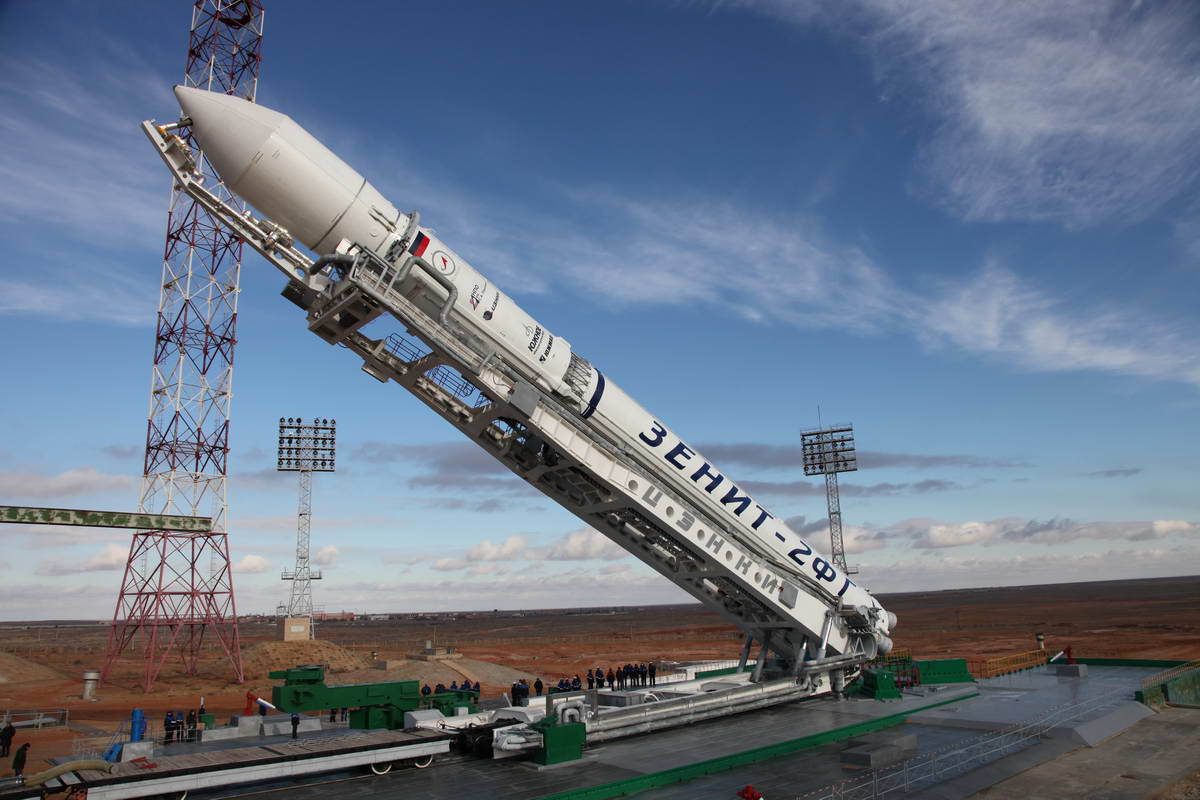
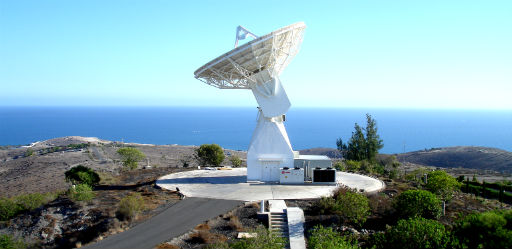
    The European Space Agency announced on Dec. 2 that it will stop trying to contact the stranded Russian Phobos-Grunt spacecraft, which has been stuck in the wrong orbit for almost a month now. So it looks like it will fall to Earth. Russia’s Phobos-Grunt probe launched
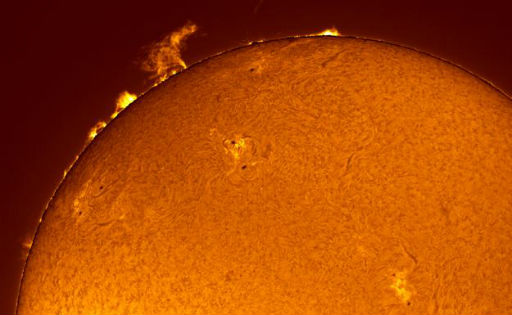
  • Solar activity at start of December

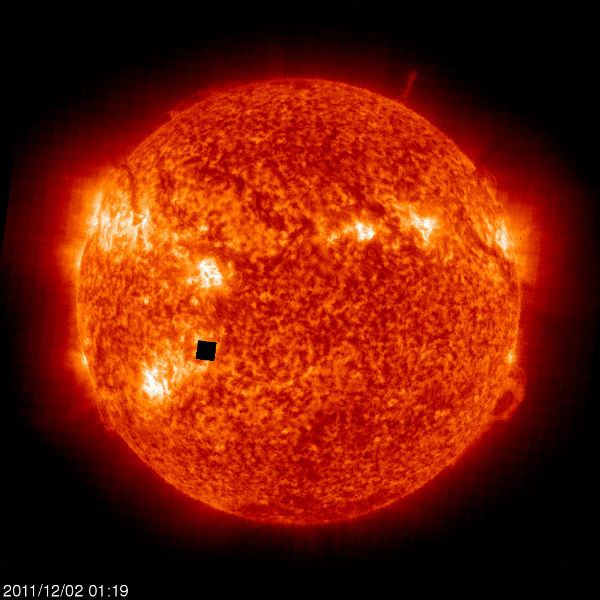
    With no strong flares this week, the sun’s x-ray output has nearly flatlined. The solar activity is quiet and is expected to continue for another 24+ hours. NOAA forecasters estimate a mere 20% chance of M-class solar flares.C-Class flares continue to be detected

  • Earth currents in Norway caused by solar wind stream

    A solar wind stream is buffeting Earth’s magnetic field and this is causing electrical currents to flow in the Earth itself at high latitudes.Rob Stammes sends this report from the Polar Light Center in Lofoten, Norway to SpaceWeather.com “Today, a magnetic

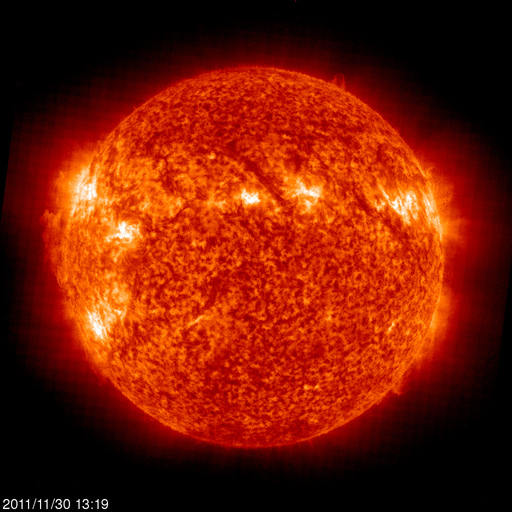
  • Subsiding solar activity, small chances for M-class flares

    Two new regions rotated into view on the eastern limb and were numbered 1363 and 1364 on Tuesday. Numerous low level C-Class flares have been detected within the past 24 hours around Sunspot 1362 and new Sunspot 1363.Region 1361 in the northern hemisphere is now

  • No response from Russian Phobos-Grunt spacecraft

    The European Space Agency will once again attempt to call the Russian Phobos-Grunt spacecraft tonight (Nov. 29), after officials received no response yesterday. The probe has been stranded in the wrong orbit since it was launched on November 8.A ground station in

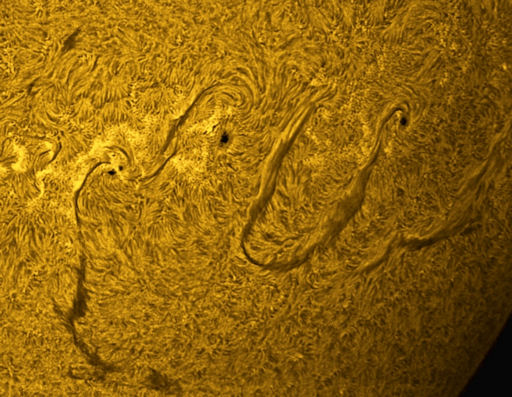
  • Sunspots connected by sinuos filaments of magnetism

    A line of sunspots stretching across the sun’s northern hemisphere appears to be an independent sequence of dark cores. A telescope tuned to the red glow of solar hydrogen, however, reveals something different. The sunspots are connected by sinuous filaments of

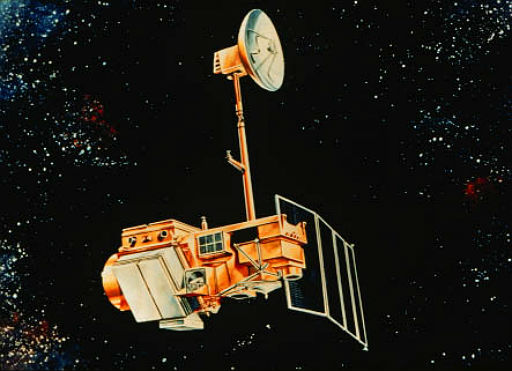
  • Landsat 5 Earth observation satellite in jeopardy

    The U.S. Geological Survey (USGS) has stopped acquiring images from the 27-year-old Landsat 5 Earth observation satellite due to a rapidly degrading electronic component.Landsat 5 was launched in 1984 and designed to last 3 years. The USGS assumed operation of

  • MSL/Curiosity looks like comet while traveling toward Mars

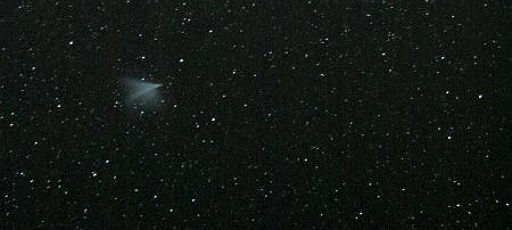
    Astronomers at the Sir Thomas Brisbane Planetarium in Australia took incredible time-lapse video . The sequence shows a plume drifting against the background stars, probably caused by venting from the Centaur rocket stage that sent the Mars Science