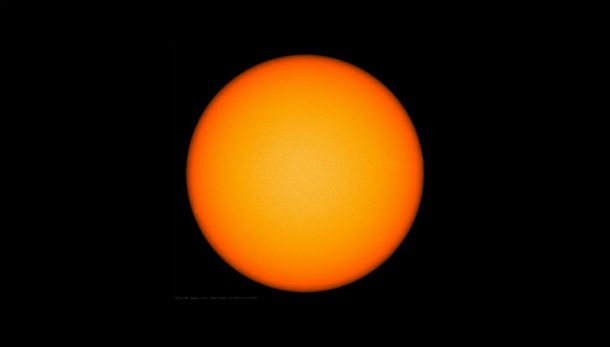
• Earth-facing side of the sun without visible sunspots

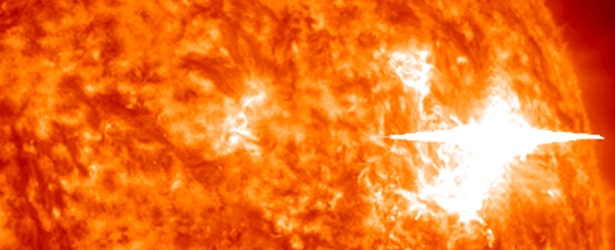
    Images taken by Solar Dynamics Observatory (SDO) on July 17, 2014 show no active sunspots on the visible solar disk. To be correct, tiny decaying AR 2113 is still visible, but its size remains so small that the plots and charts didn't registered it. SDO's
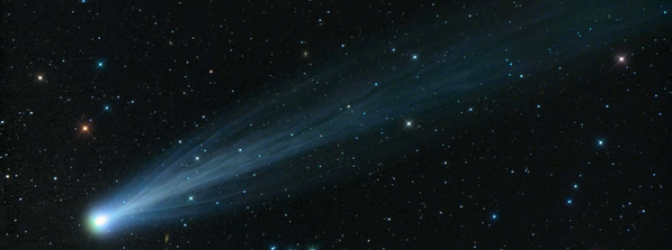
  • Comet ISON’s dramatic final hours – new analysis

    A new analysis of data from the ESA/NASA Solar and Heliospheric Observatory (SOHO) spacecraft has revealed that comet 2012/S1 (ISON) stopped producing dust and gas shortly before it raced past the Sun and disintegrated.When comet ISON was discovered in the autumn of 201

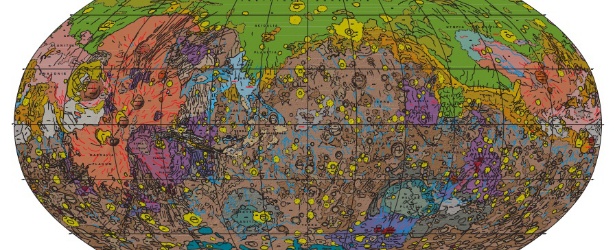
  • The most thorough map of the Martian surface to date

    The United States Geological Survey (USGS) has released the most thorough map of the Martian surface to date. The data for the new map was collected by NASA's Mars Global Surveyor, Mars Odyssey and Mars Reconnaissance Orbiter, and

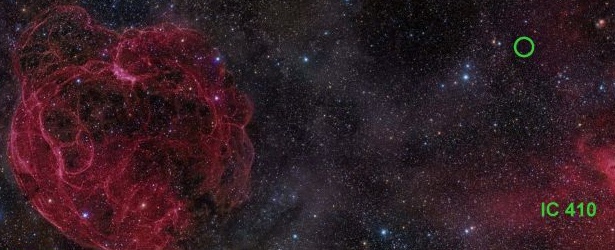
  • Radio-burst discovery deepens astrophysics mystery

    Brief pulse detected by Arecibo telescope appears to come from far beyond our galaxy… The discovery of a split-second burst of radio waves by scientists using the Arecibo radio telescope in Puerto Rico provides important new evidence of mysterious pulses that app

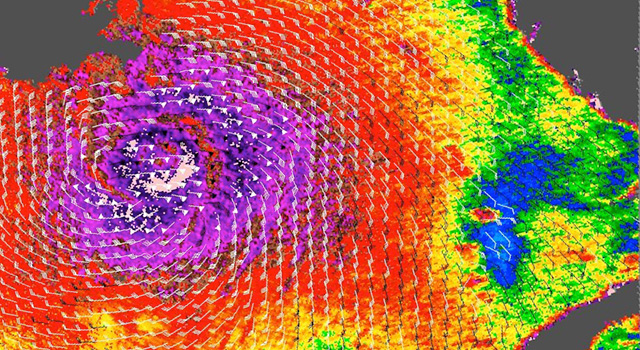
  • NASA’s RapidScat to unveil hidden cycles of sea winds

    Ocean waves, the hot sun, sea breezes — the right combination makes a great day at the beach. A different combination makes a killer hurricane. The complex interactions of the ocean and the air above it that can create such different outcomes are not yet fully known. S

  • Astronomers bring the third dimension to a doomed star’s outburst

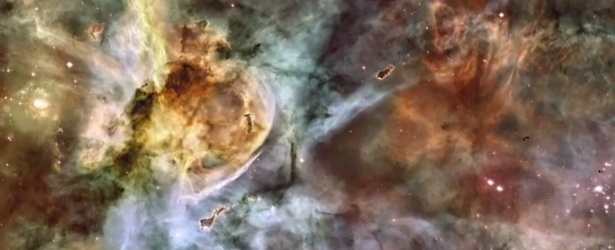
    In the middle of the 19th century, the massive binary system Eta Carinae underwent an eruption that ejected at least 10 times the sun's mass and made it the second-brightest star in the sky. Now, a team of astronomers has used extensive new observations to create th

  • A summer of supermoons – July, August and September

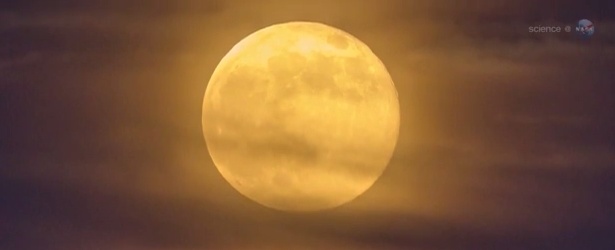
    The summer of 2014 will be bathed in moonlight as three perigee "supermoons" occur in consecutive months: July, August, September. The first supermoon is on July 12 at 08:28 UTC, the second on August 10 at 17:44 UTC and the third on September 9 at 03:30 UTC.Th

  • A hotspot for powerful cosmic rays

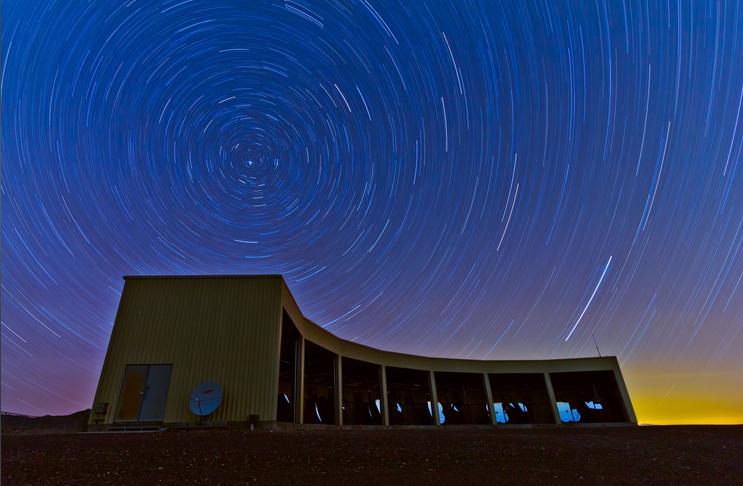
    Physicists a step closer to finding mysterious sources…An observatory run by the University of Utah found a "hotspot" beneath the Big Dipper emitting a disproportionate number of the highest-energy cosmic rays. The discovery moves physics another step