• Comet 67P too hot to be covered in ice

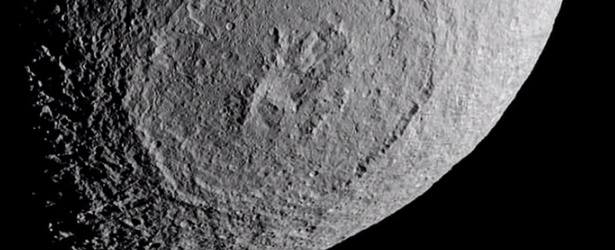
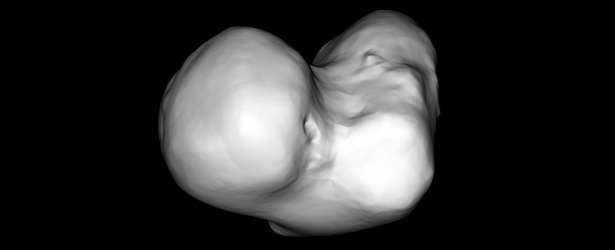
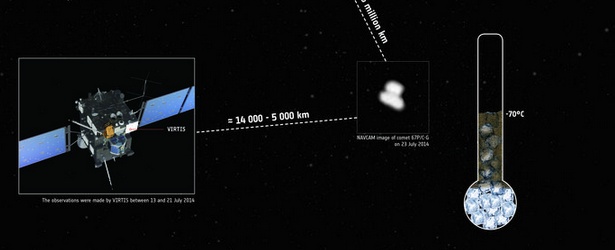
    ESA’s comet chaser Rosetta has made its first temperature measurements of its target comet, 67P/Churyumov–Gerasimenko, and found that it is too hot to be covered in ice and must instead have a dark, dusty crust.The observations of the comet we
  • Night sky guide for August 2014

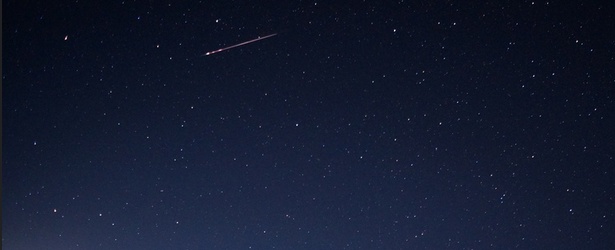
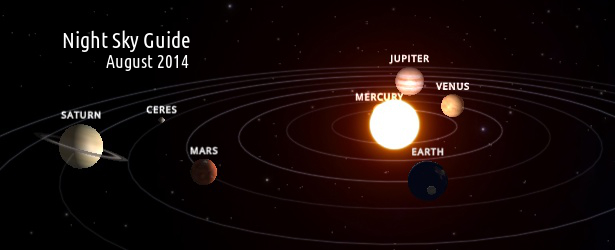
    Late July and early August can be one of the best times of the year to observe meteors, weather permitted. This is because there are several minor meteor showers emanating from the adjacent constellations of Capricornus and Aquarius. However, the closest and the largest

  • Fog of low-energy X-rays over the entire sky puzzle resolved

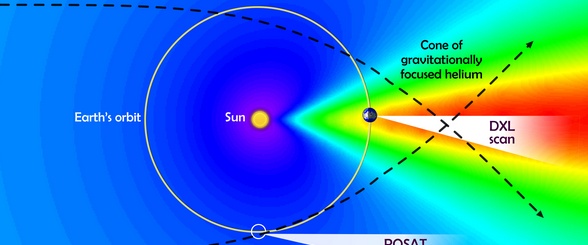
    A decades-old puzzle about a fog of low-energy X-rays observed over the entire sky was recently resolved. Thanks to refurbished detectors first flown on a NASA sounding rocket in the 1970s, astronomers have now confirmed the long-held suspicion that much of this glow st

  • Supermoon vs Perseid meteors

    During the second week of August, the biggest and brightest full Moon of the year will face off against everyone's favorite meteor shower – Perseids – and the outcome could be beautiful.On August 10, 2014, just as the Perseids are set to peak, the Moon wil

  • Asteroid vesta shatters planet formation theory

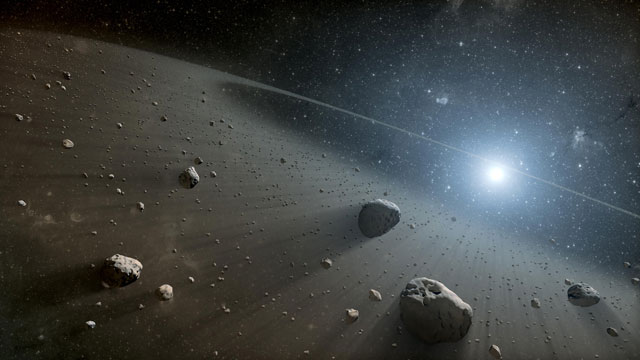
    In the previous Space News, we discussed astronomer's recent admission that they now need a whole new theory to explain about how planets form. Today yet another discovery has shattered conventional ideas about planet formation and the so-called early solar system.

  • Mars spacecraft preparing for Comet Siding Spring’s close flyby

    As Comet C/2013 A1 Siding Spring heads toward a close flyby of Mars on October 19, 2014, NASA and ESA are both taking steps to protect their Mars orbiters, while still preserving opportunities to gather valuable scientific data. Six days after p

  • Fermi catches a never before seen ‘transformer’ neutron star

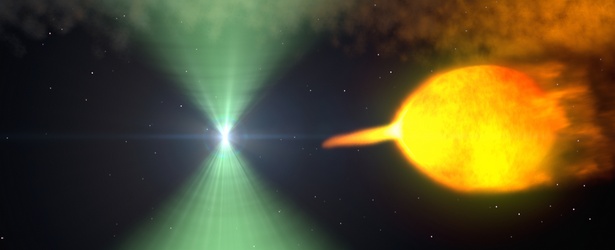
    In late June 2013 astronomers using Fermi Gamma-ray Space Telescope observed an exceptional binary containing a rapidly spinning neutron star which suddenly underwent a dramatic change in behavior. The pulsar's radio beacon vanished, while at the same time the