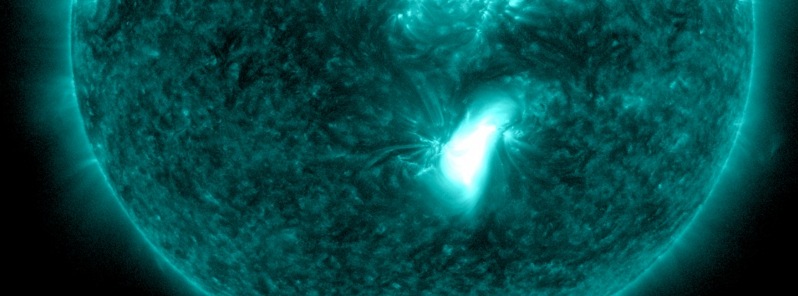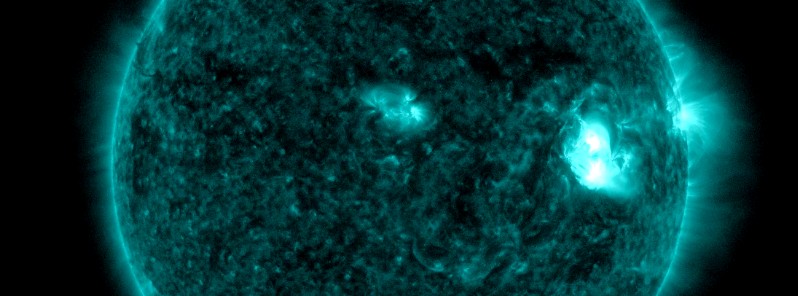
• Moderately strong M1.8 solar flare erupts from Region 2497

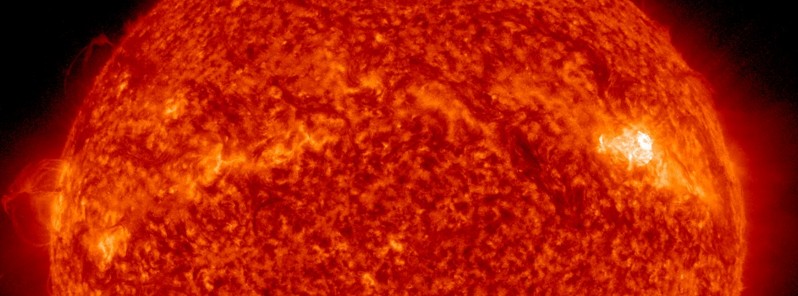
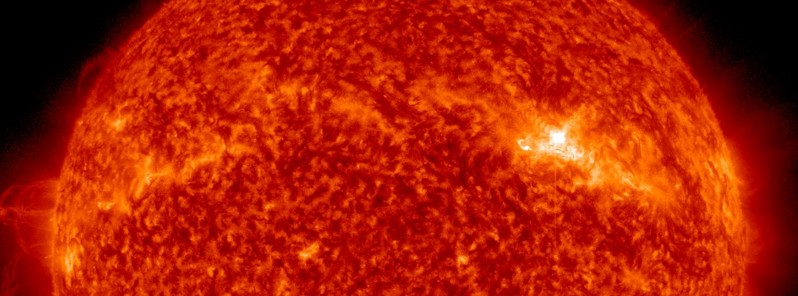
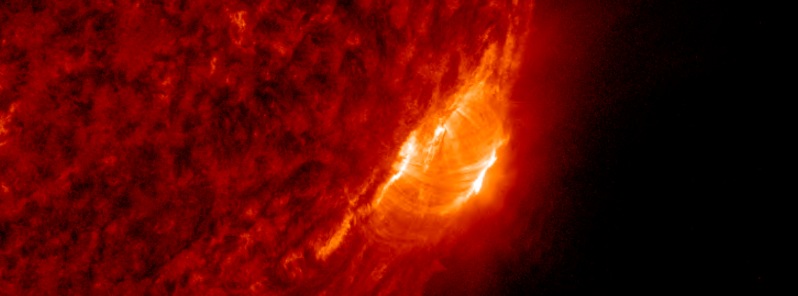
    A moderately strong solar flare measuring M1.8 at its peak time erupted from 'Beta-Gamma-Delta' classified Region 2497 at 15:24 UTC on February 13, 2016. The event started at 15:16 and ended at 15:24 UTC. There were no radio signatures that would suggest a…

  • Cosmic radiation intensifying as we enter another Solar Minimum

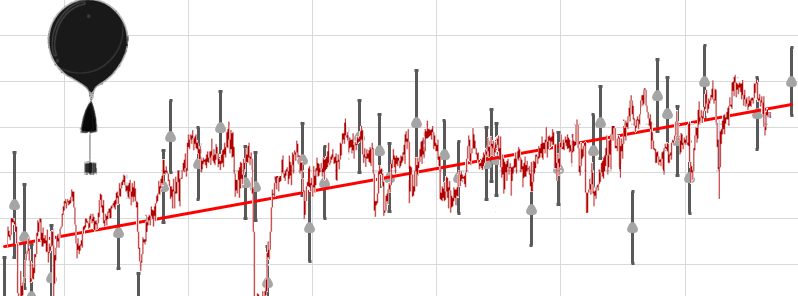
    An increased activity of cosmic rays has been observed around the Arctic Circle by the neutron monitors during the last year. The same trend was also noted in an independent measurement project carried out by the Spaceweather.com and the students of Earth to Sky…

  • Prolonged CME effects spark G1 Minor geomagnetic storm

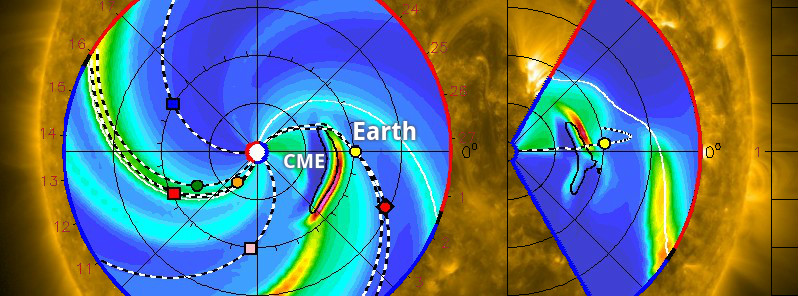
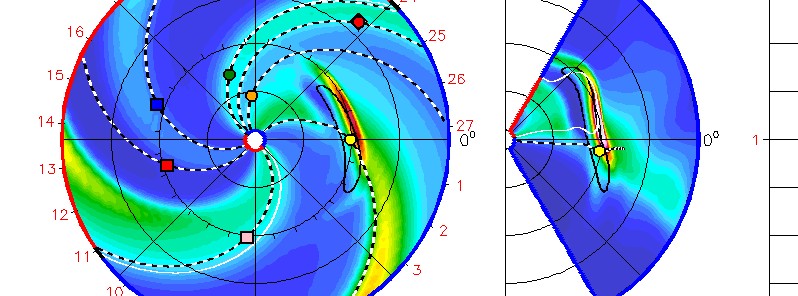
    Prolonged effects of a partial-halo CME impact, produced by the filament eruption just of center disk late on January 14, 2016, is causing a G1 Minor geomagnetic storm on January 20, 2016. The CME reached our planet just before 21:00 UTC on January 18. Geomagnetic…

  • Strong M4.7 solar flare erupts from Region 2473

    A moderately strong solar flare measuring M4.7 at its peak erupted from Region 2473 at 00:40 UTC on December 23, 2015. The event started at 00:23 and ended at 00:52 UTC. A Type II radio sweep with estimated velocity of 1318 km/s as well as a Type IV radio sweep…

  • M-class solar flares erupting behind the Sun’s northeast limb

    An active region currently positioned behind the northeast limb erupted with two M-class solar flares by 10:19 UTC on December 21, 2015. The first event started at 00:52, peaked at 01:03 as M2.8 and ended at 01:11 UTC. The second event started at 10:09, peaked at…

  • Large filament erupts on the southeast quadrant of the Sun

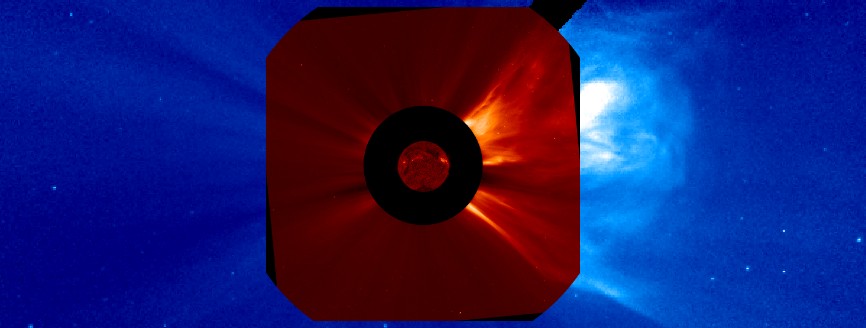
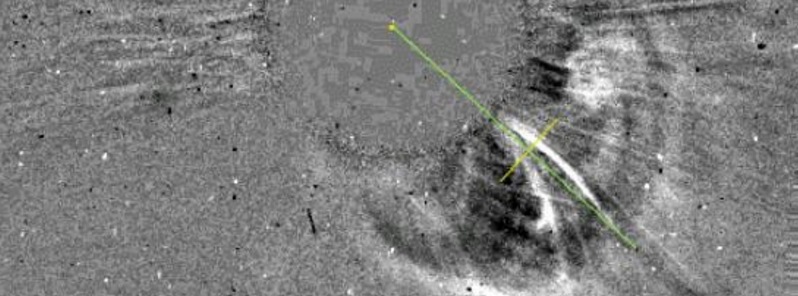
    A large filament erupted on the southeast quadrant of the Sun during the early morning UTC hours of November 22, 2015. The eruption began at approximately 07:30 UTC and launched a coronal mass ejection (CME) into space. Although LASCO coronagraph imagery is still…