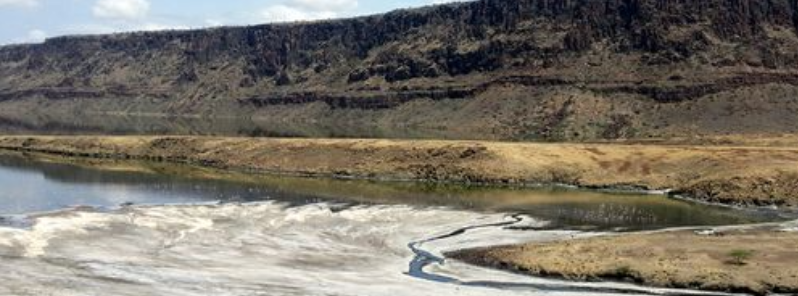
• Carbon emissions from Earth’s interior quantified

    A team of scientists, led by the researchers at the University of New Mexico (UNM), has studied carbon emissions through fault systems in the East African Rift (EAR). The goal of the research was to gain a better understanding of carbon emissions from the interior…

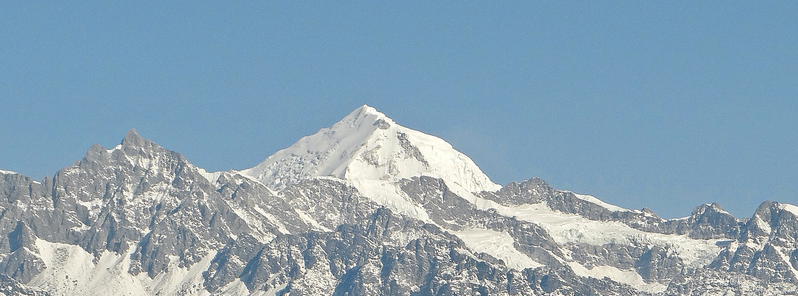
  • Another major earthquake in Nepal can happen much sooner than anticipated

    A new study conducted by an international team of scientists suggests a kink in the regional fault line below Nepal is responsible for the growth of the Himalaya mountains between earthquakes. The scientists have studied the devastating April 2015 Nepal (Gorkha)…

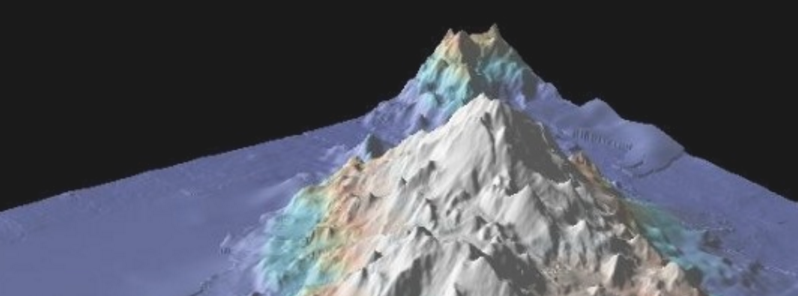
  • Recent advancements in mapping the world’s oceans

    The scientists at Lamont-Doherty Earth Observatory, New York, have gathered data from hundreds of research cruises and made a significant contribution to providing easily accessible ocean floor maps to interested people across the globe. The mapping site is capable…

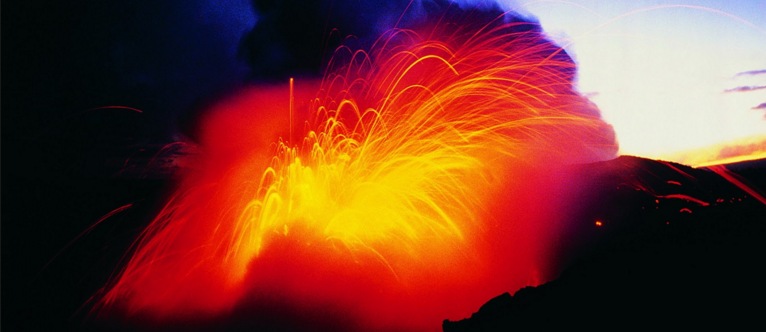
  • Temperature identified as new trigger for explosive volcanic eruptions

    Studying magma ascent, geoscientists at the University of Liverpool have found that temperature may be more important than pressure in generating gas bubbles that trigger explosive volcanic eruptions. In a paper published recently in the journal Nature, researchers…

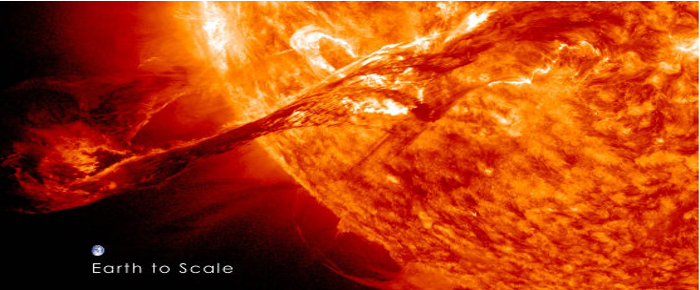
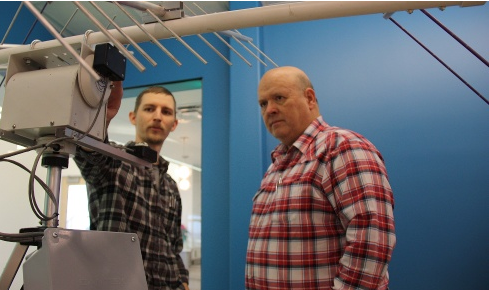
  • Using maths to reveal the Sun’s magnetic field mysteries

    An important research project, led by the UK's University of Dundee, aims to improve knowledge of Sun's complex magnetic fields using mathematics. The goal is to find out the effects of space weather caused by the Sun and its magnetic structures origins….

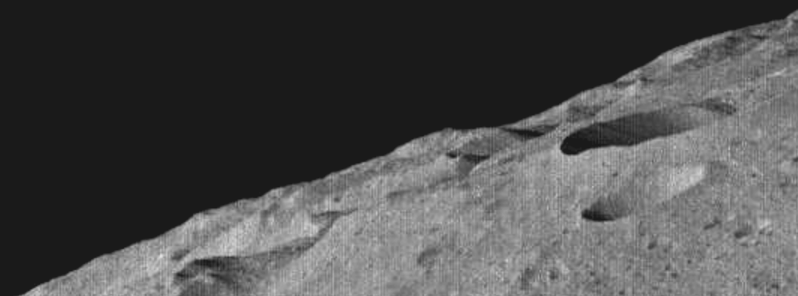
  • Ceres imaged from the lowest orbital altitude ever

    NASA's Dawn spacecraft collected new detailed images of the cratered and fractured southern hemisphere surface of the dwarf planet Ceres on December 10, 2015. The spacecraft took the images while cruising in the lowest and final orbit of the small planet. Dawn…

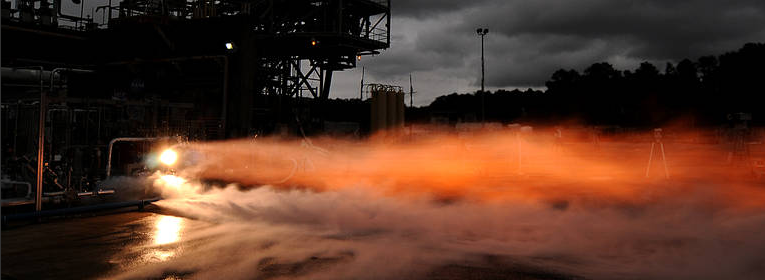
  • A step closer to 3-D printed rocket engine

    A team of NASA scientists has moved a step closer to building a completely 3-D printed, high-performance rocket engine. They manufactured engine parts and test fired them with oxygen and cryogenic liquid hydrogen to produce about 9 tons (20 000 pounds) of thrust….