• New trigger for sudden volcanic eruptions identified

    A team of scientists have suggested that a rapid formation of bubbles in magma could trigger sudden volcano eruptions with no prior warning. The explanation holds the potential to change the approach to monitoring active and dormant volcanoes across the globe. The…

  • Giant hydrogen cloud boomeranging back to Milky Way

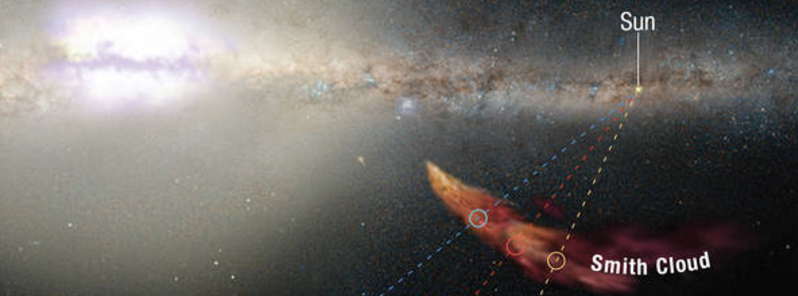
    A large cloud of hydrogen gas is on a return collision course to the Milky Way galaxy, running towards it with a speed of almost 1 126 540 km/h (700 000 mph) and is expected to hit it in about 30 million years. The new Hubble Space Telescope observations suggest the…

  • Scientists venture to Antarctica to uncover origin of modern vertebrates

    An international team of researchers led by paleontologists from the Carnegie Museum of Natural History, the University of Texas at Austin, Ohio University and the American Museum of Natural History are set to travel to Antarctica in search for evidence that some…

  • The underlying cause of the deadly 1964 Alaska tsunami revealed

    The USGS scientists in collaboration with their colleagues from Boise State University and the Alaska Department of Fish and Game finally managed to unravel the cause of a massive tsunami that destroyed Valdez, Seward and Whittier towns in Alaska in 1964. A series…

  • Cosmic radiation intensifying as we enter another Solar Minimum

    An increased activity of cosmic rays has been observed around the Arctic Circle by the neutron monitors during the last year. The same trend was also noted in an independent measurement project carried out by the Spaceweather.com and the students of Earth to Sky…

  • NASA’s Van Allen Probes broaden view on the shape of Van Allen Belts

    NASA's Van Allen Probes enabled the scientists to gather a more precise picture of the structure of Van Allen Belts that shield our planet from the solar radiation. New research shows their shape varies depending on the energy of charged particles constituting…

  • 2015 – the warmest year in recorded history, NASA/NOAA

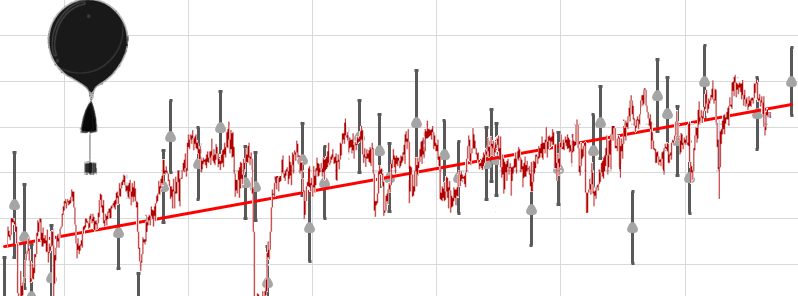
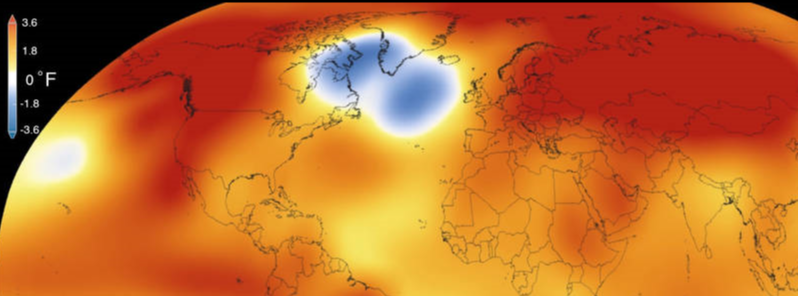
    Two independent analysis conducted by NASA and NOAA showed that 2015 is the warmest year since 1880 when modern temperature recording began. A previous record was held by 2014, and globally-averaged Earth's surface temperatures in 2015 are estimated higher by…