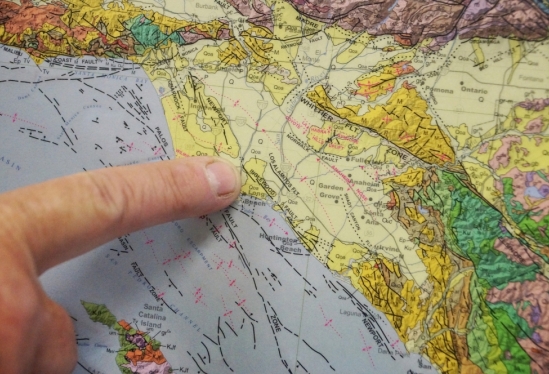
• Humanity rapidly depleting one third of Earth’s largest aquifers

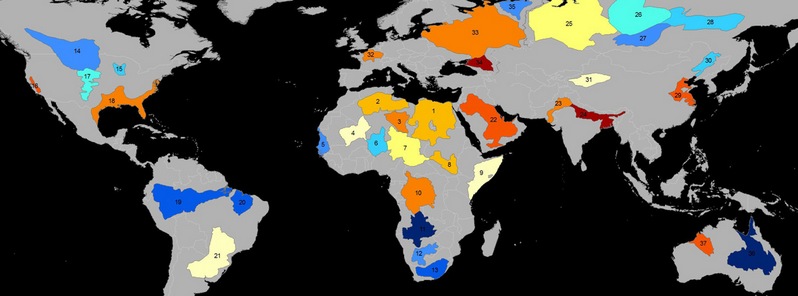
    In two new studies led by the University of California, Irvine (UCI), scientists mapped 37 of the world's largest underground basins using NASA's Gravity Recovery and Climate Experiment (GRACE) satellites and concludes that humanity is rapidly depleting one

  • Study finds 70% decrease in the seabird population since 1950s

    Compiling a global database of seabird population size records from English language literature, researchers at the University of British Columbia monitored 513 seabird populations (of total 3 213) and concluded that the monitored seabird populations of our world have d

  • Does the solar magnetic field show a North-South divide?

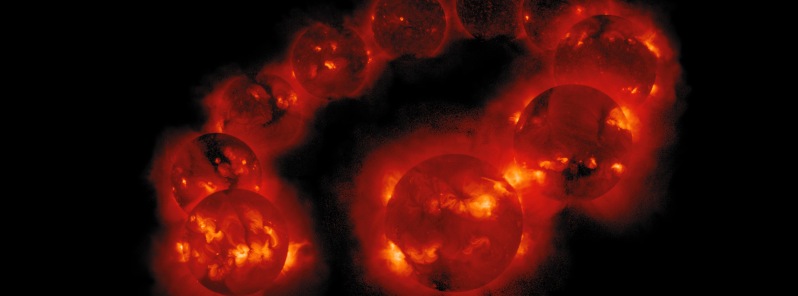
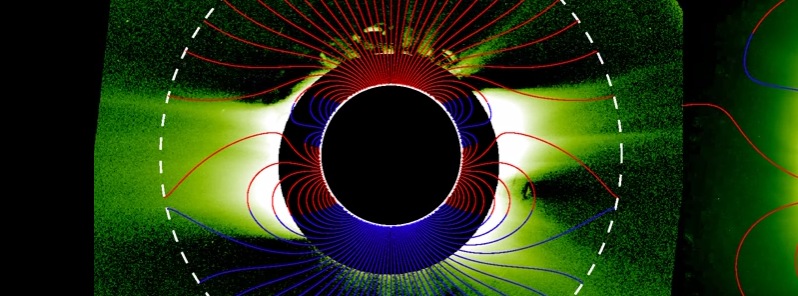
    A study of jets travelling through the Sun’s corona at speeds between 200-500 km/s has shown that the fast-moving columns of plasma are deflected much more strongly by the Sun’s magnetic field in the northern hemisphere than in the southern hemisphere. A nor

  • A five star, doubly-eclipsing star system discovered

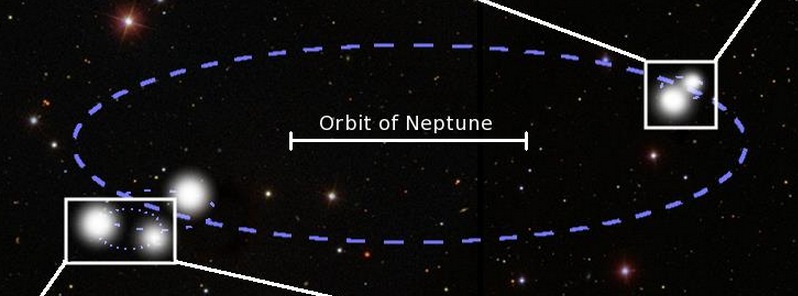
    Astronomers at the Open University have discovered the first quintuple star system containing two eclipsing binary stars. While scientists think that about a third of stars are found in pairs or multiple systems, to find five stars connected to each other is very rare.T

  • Neptune’s badly behaved magnetic field modelled in detail

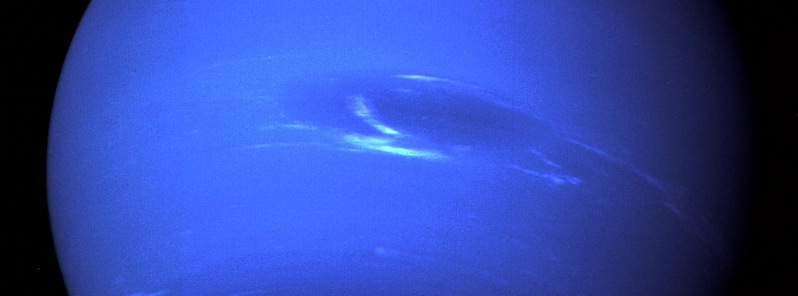
    A team of scientists at the Imperial College London have combined 26-year old data with supercomputer simulations and for the first time modelled Neptune's magnetic field in detail. The researchers find that the furthest planet from the Sun has a badly behaved

  • Species endangered by agricultural landscapes

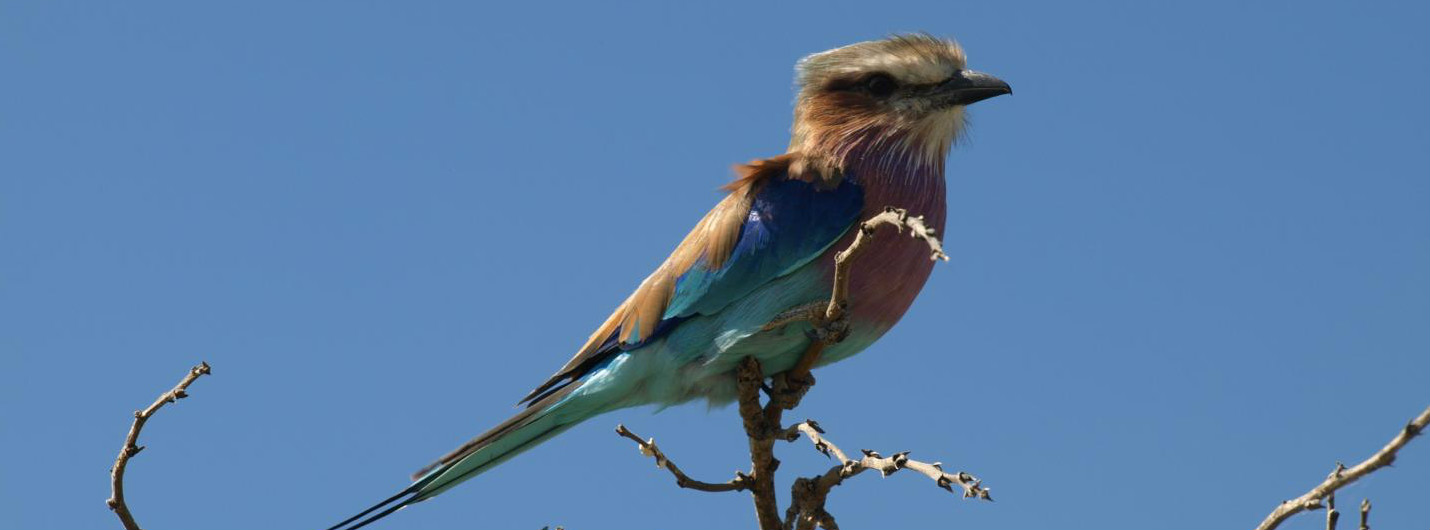
    According to a research led by the University of Exeter, in which bird populations across cultivated mango orchards and natural habitats in the Kruger to Canyons Biosphere region in South Africa was monitored, replacing a natural habitat with a agricultural landscape ca