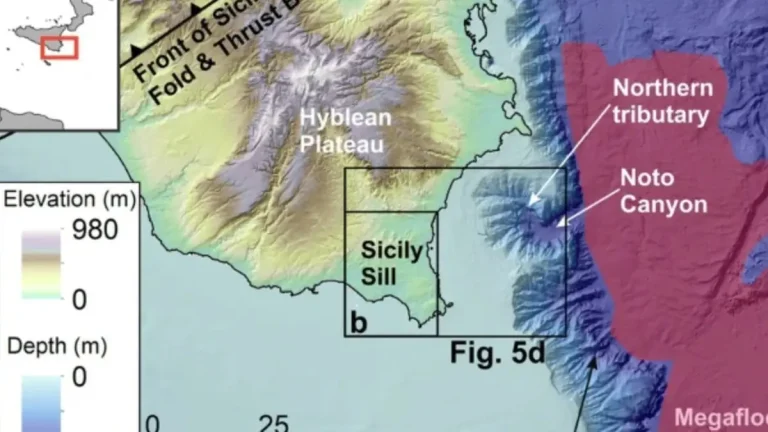
• Cataclysmic megaflood refilled the Mediterranean Sea 5.33 million years ago

    New research confirms that a massive flood event, known as the Zanclean Megaflood, rapidly refilled the Mediterranean Sea approximately 5.33 million years ago. Scientists have identified geological formations in Southeast Sicily that provide the most detailed evidence yet of the cataclysmic event that ended the Messinian Salinity Crisis and reshaped the region.

  • DNA study reshapes understanding of Pompeii’s ancient population

    New DNA analysis of skeletal remains in Pompeii is challenging long-held beliefs about the city’s ancient population. By revealing genetic links to populations in Rome and the eastern Mediterranean, the study paints Pompeii as a diverse, bustling hub in the Roman Empire, reshaping our understanding of its people and their connections across the ancient world.

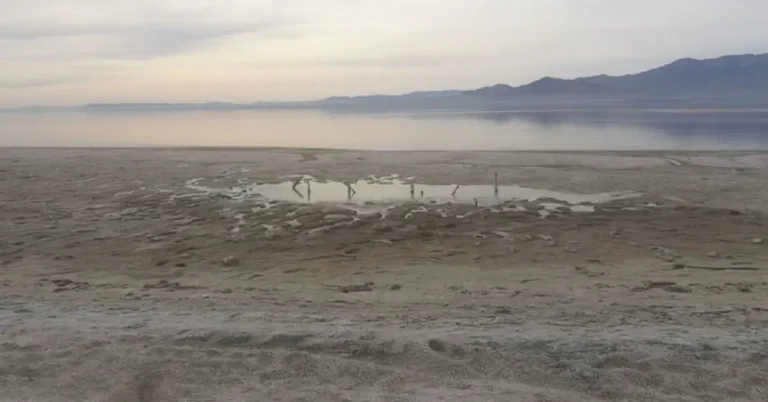
  • Rapidly shrinking Salton Sea raises toxic dust concerns for nearby communities, California

    The Salton Sea, California’s largest inland lake, is receding faster than anticipated, primarily due to water diversions from the Colorado River to urban areas like San Diego. A recent study led by Ryan Sinclair of Loma Linda University, involving community scientists and balloon mapping techniques, has documented shoreline changes, revealing that toxic dust levels could further deteriorate air quality for nearby residents.

  • Mars’ magnetic history examined in new study

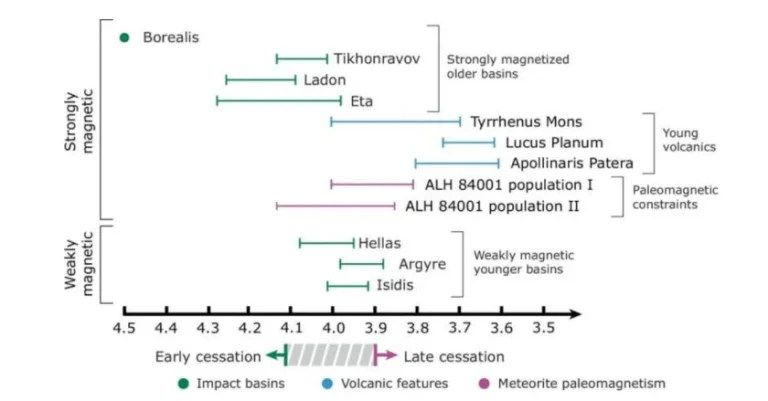
    New research published in Nature Communications suggests that Mars’ magnetic field, which may have helped retain the planet’s atmosphere and surface water, existed until approximately 3.9 billion years ago—lasting longer than prior estimates of 4.1 billion years. The updated timeline offers a clearer picture of Mars’ early environment, potentially shedding light on its habitability.

  • Ultra-high-energy gamma rays detected from Milky Way’s center reveal extreme cosmic energy

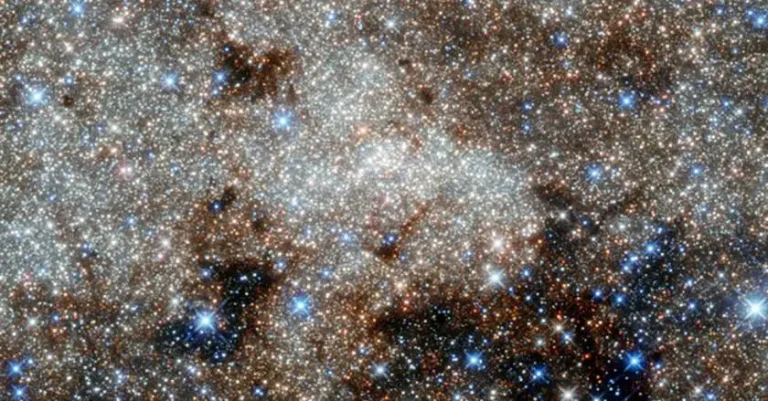
    A recent study of High-Altitude Water Cherenkov (HAWC) observatory data showed a violent mystery in the Milky Way galaxy. Pat Harding, a physicist at Los Alamos and the Department of Energy’s principal investigator for the project said that the results are a glimpse at the center of the Milky Way to an order of magnitude higher energies than ever seen before.

  • Ice Age research provides crucial insight into climate ‘tipping points’ caused by AMOC

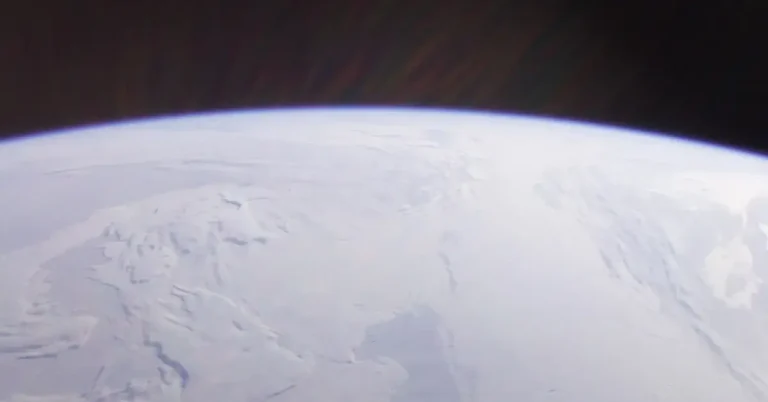
    Recent research on the Dansgaard-Oeschger event provides a better understanding of climate tipping points during the last Ice Age. The researchers used multiple ice cores collected across Greenland with data spanning up to 120 000 years, providing a new understanding of these abrupt events, how they unfold, and what that might mean for the future. It is really important to understand such tipping points in the climate, because they may result in catastrophic and irreversible change, the lead author of the study said.

  • Researchers develop new algorithms to enhance earthquake forecasting

    A study published in Seismological Research Letters on October 11, 2024, presents new algorithms to enhance earthquake forecasting, marking a significant advancement in understanding how seismic activity escalates before major earthquakes. These improvements in medium-term forecasting hold crucial implications for public preparedness and effective risk management, particularly in earthquake-prone regions.