• Moon’s farside shows signs of ongoing tectonic activity

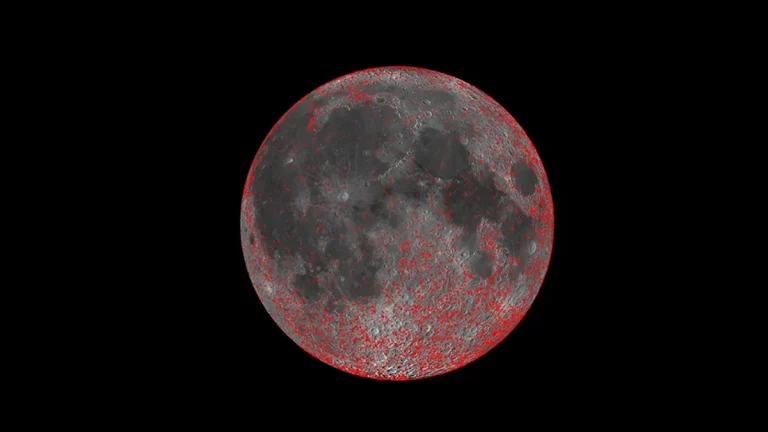
    Small-scale tectonic structures have been identified on the Moon’s farside maria and within the South Pole–Aitken (SPA) Basin, revealing recent and potentially ongoing contractional tectonism. The discovery challenges previous assumptions that tectonic activity on the Moon ceased billions of years ago.
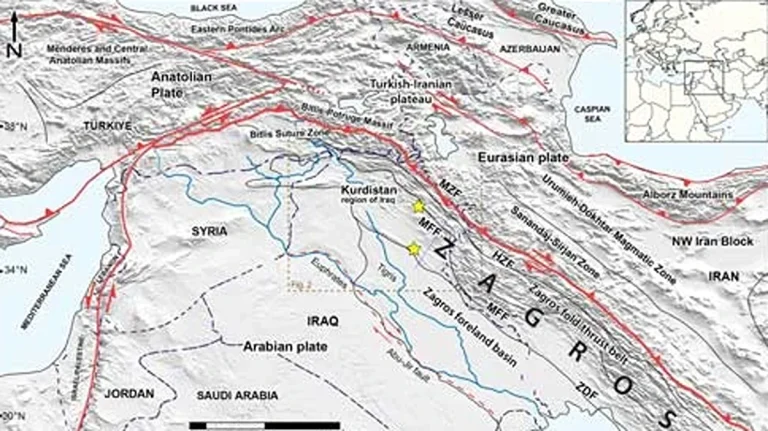
  • Major tectonic tear found beneath Iraq, Turkey, and Iran

    An international research team led by the University of Göttingen has discovered that the Neotethys oceanic plate is breaking off horizontally. This geological phenomenon is occurring deep beneath the Earth’s surface, with a tear extending from southeast Turkey to northwest Iran. The study focused on the impact of the Zagros Mountains’ forces in the Kurdistan region of Iraq, revealing significant bending of the Earth’s surface over the past 20 million years.

  • Hidden magma discovered beneath dormant Cascade Range volcanoes

    New research has found magma reservoirs beneath dormant volcanoes in the Cascade Range remain intact for thousands of years, challenging the long-standing belief that magma bodies dissipate over time after eruptions and reshaping understanding of volcanic activity. Previously, large magma bodies were thought to indicate an increased likelihood of eruption, but the study suggests they are a persistent feature of volcanic systems rather than a sign of imminent activity.

  • Study finds statistical link between solar activity and rainfall variability

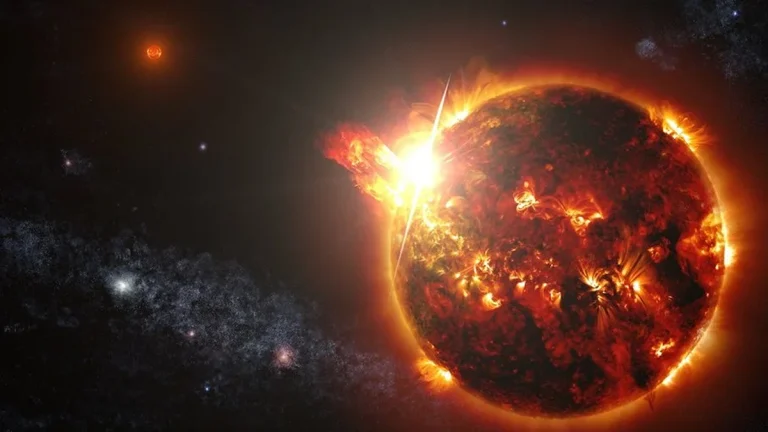
    A long-term statistical study has confirmed a direct correlation between rainfall variability in India and solar activity features such as sunspots, solar flares, and solar prominences. Researchers analyzed 5 consecutive solar cycles (1964 – 2019) and found that rainfall levels shift predictably with solar fluctuations, impacting seasonal and annual precipitation patterns across India.

  • Massive underground aquifer discovered beneath Oregon’s Cascade Range

    Scientists from the University of Oregon have discovered a vast underground aquifer beneath Oregon’s Cascade Range, storing at least 81 km3 (19.4 mi3) of water — almost three times the maximum capacity of Lake Mead. The research detailing the findings was published on January 13, 2025, reshaping the understanding of the region’s water resources and volcanic hazards.