• Night sky guide for March 2014

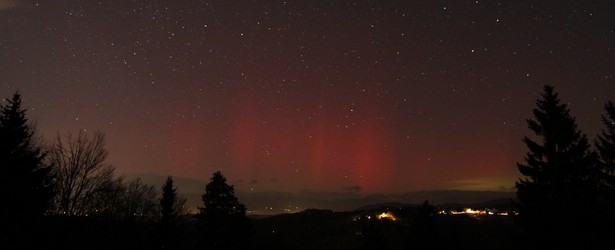
    Comet C/2012 X1 LINEAR will reach its brightest this month and will be well placed for observation on March 4. An extremely rare event will take place on the morning of March 20 when asteroid 163 Erigone passes in front of the bright star Regulus in the

  • New era of global weather observing and climate science

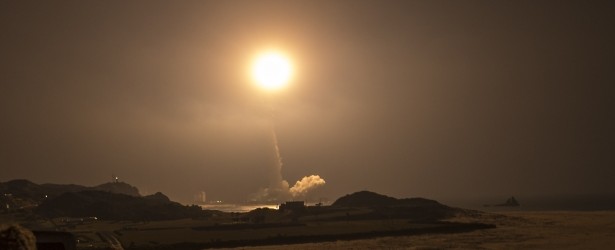
    International, next-generation, unifying satellite observatory for global snow and rain measurements – Global Precipitation Measurement (GPM) Core Observatory – was successfully launched yesterday from Tanegashima Space Center in Japan marking the beginning of a

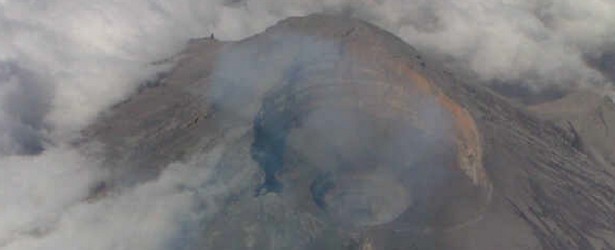
  • Increased volcanic activity observed at Popocatepetl, Mexico

    Mexican CENAPRED counted 544 small to moderate emissions at Popocatepetl volcano during 24 hours between February 25 – 26, 2014. 

    An overflight made yesterday afternoon showed that the dome number 48 was destroyed by this activity leaving a funnel-shaped cavity

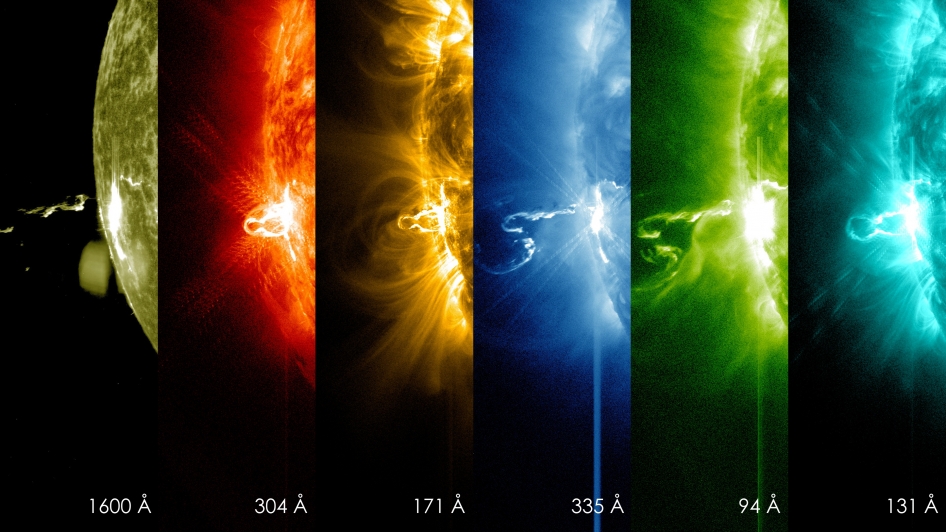
  • Powerful X4.9 solar flare erupted from Sunspot 1990

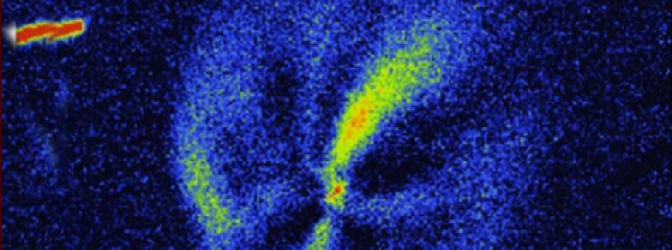
    Newly numbered Active Region 1990 produced powerful X4.9 solar flare at 00:49 UTC on February 25, 2014, making it the third largest X-flare event of the current solar cycle. This decaying sunspot is in fact old returning region previously numbered as AR 1967. This is

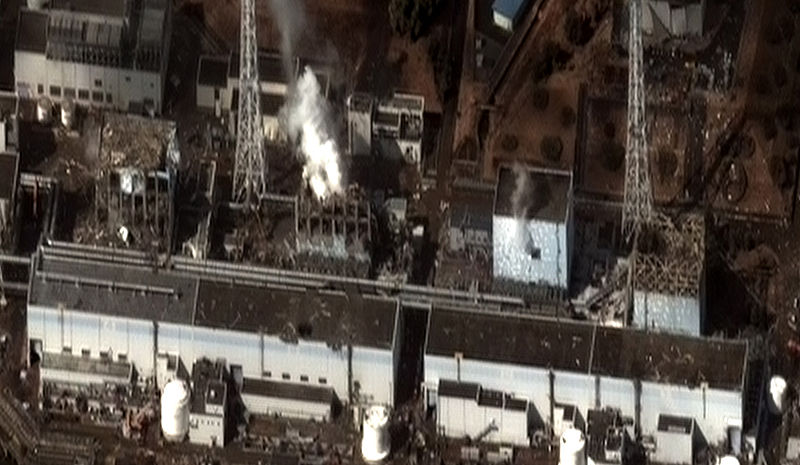
  • 100 tons of highly radioactive water leaked from Fukushima nuclear complex

    Operator of tsunami stricken Fukushima Daiichi nuclear complex said on Thursday, February 20, that roughly 100 tons of highly radioactive water leaked from one of the tanks again.

    According to the operator, a worker on patrol noticed water spilling from

  • Volcanoes, including Mt. Hood, can go from dormant to active quickly

    A new study suggests that the magma sitting 4-5 kilometers beneath the surface of Oregon's Mount Hood has been stored in near-solid conditions for thousands of years, but that the time it takes to liquefy and potentially erupt is surprisingly short – perhaps