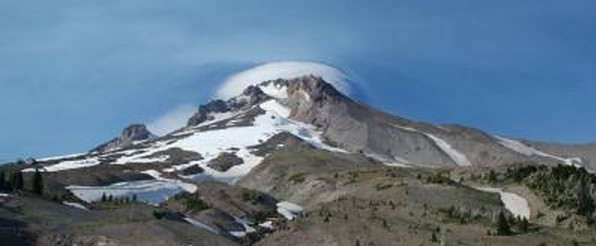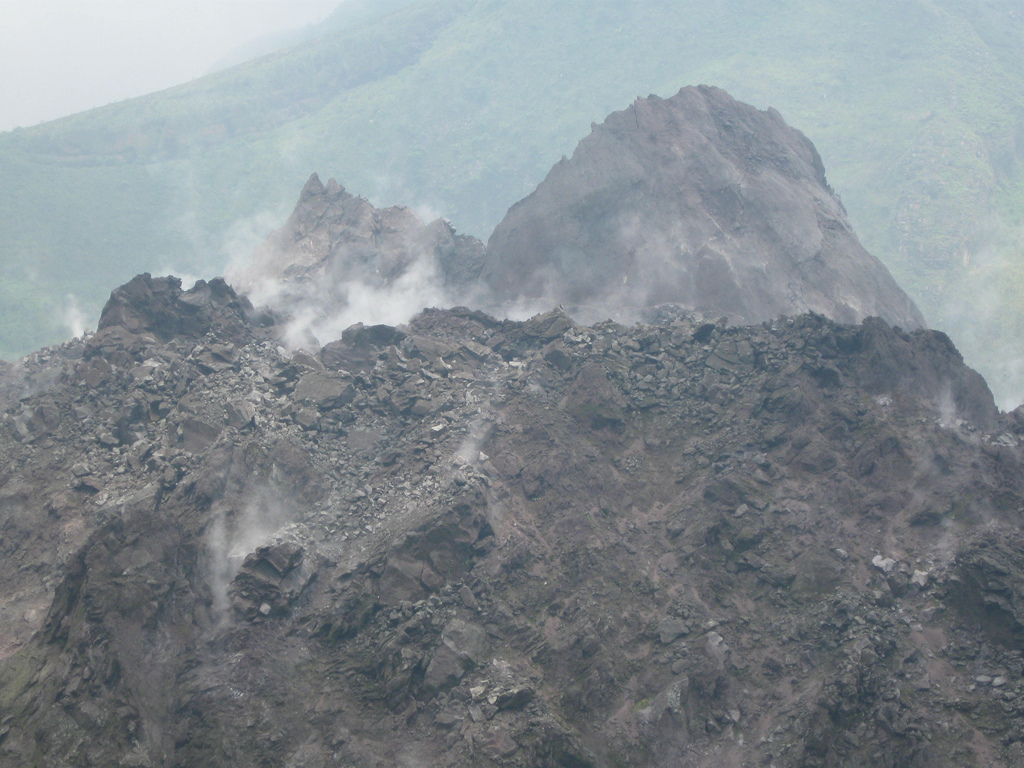
• Volcanoes, including Mt. Hood, can go from dormant to active quickly

    A new study suggests that the magma sitting 4-5 kilometers beneath the surface of Oregon's Mount Hood has been stored in near-solid conditions for thousands of years, but that the time it takes to liquefy and potentially erupt is surprisingly short – perhaps

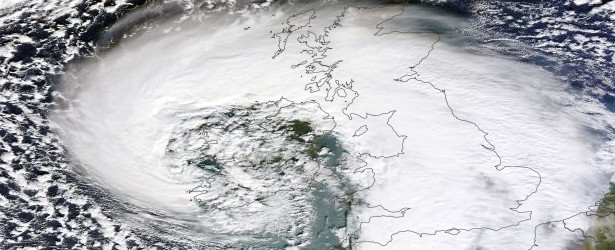
  • Severe weather warning for stormy conditions across the UK

    Met Office forecasters have issued a red National Severe Weather Warning for stormy conditions across the UK this afternoon and evening. 

    The strongest winds are expected across Wales and northern England with gusts of 128 – 160 km/h (80 – 100 mph) in some

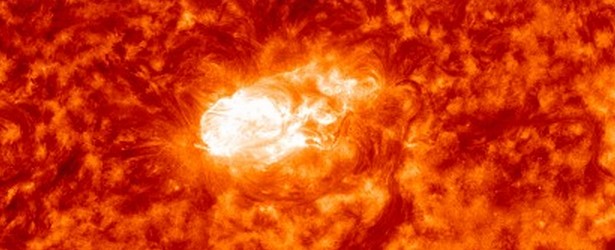
  • Multiple CMEs observed from central region on the Sun

    Solar activity was at moderate levels in last 24 hours (12:30 UTC). Region 1974 (S13W05, Fsc/beta-gamma-delta) continued to exhibit growth and separation in the intermediate spots, and was responsible for the majority of the flare activity throughout the

  • Night sky guide for February 2014

    According to AMS, February offers the meteor observer in the northern hemisphere a couple of weak showers plus falling sporadic rates. February is also the start of the fireball season, when an abundance of fireballs seem to occur. This lasts well into April

  • Asteroid diversity points to a "snow globe" solar system

    Our solar system seems like a neat and orderly place, with small, rocky worlds near the Sun and big, gaseous worlds farther out, all eight planets following orbital paths unchanged since they formed.

    However, the true history of the solar system is more riotous.

  • Changing climate: How dust changed the face of the Earth

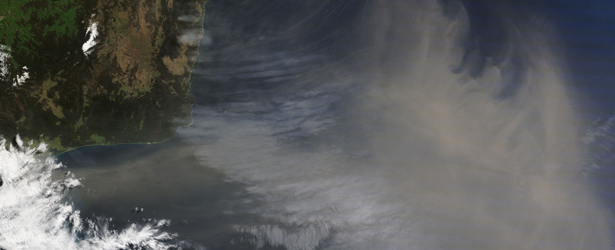
    In spring 2010, the research icebreaker Polarstern returned from the South Pacific with a scientific treasure – ocean sediments from a previously almost unexplored part of the South Polar Sea. What looks like an inconspicuous sample of mud to a layman is, to geological