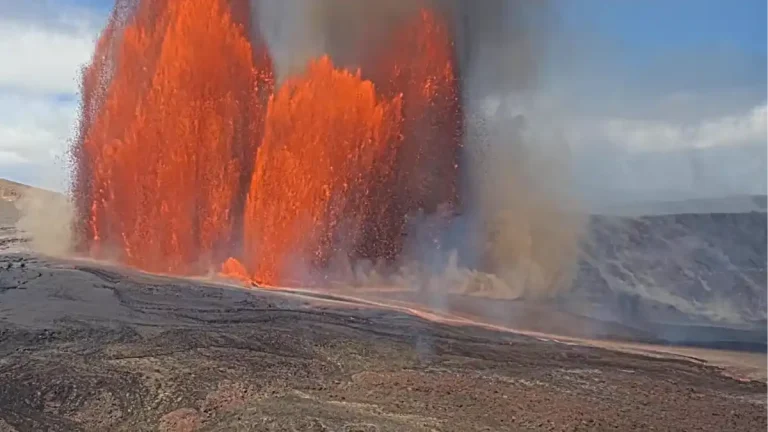
• Kīlauea eruption sends ash plume to 9 km (30 000 feet), disrupts flights near Hilo, Hawaii

    Episode 43 of the ongoing eruption at Kīlauea began at about 09:17 LT on March 10, 2026, producing lava fountains exceeding 400 m (1 300 feet) from vents inside Halemaʻumaʻu crater, according to the USGS Hawaiian Volcano Observatory (HVO). Tephra fallout forced the closure of part of Highway 11 and disrupted flights at Hilo International Airport as an ash plume rose to about 9 km (30 000 feet) above sea level.


  • Severe flooding hits Northern Territory and Queensland as rivers reach major levels, Australia

    Severe flooding affected parts of Northern Territory and Queensland, Australia during the first week of March 2026 after persistent monsoonal rainfall caused multiple rivers to exceed major flood levels. The Katherine River in Northern Territory peaked at 19.2 m (63 feet) before midnight on March 7, its highest level since 1998, while the Burnett River in Bundaberg, Queensland was forecast to reach about 7.6 m (25 feet) between March 10 and March 11, 2026. Evacuations, road closures, infrastructure disruptions, and widespread flood warnings were issued as rainfall totals exceeded 500 mm (20 inches) in parts of northern Australia.

  • Heavy rain triggers floods, landslides and wind damage across parts of Java, leaving 7 dead and 4 missing, Indonesia

    Heavy rainfall and strong winds affected parts of Java, Indonesia, on March 7 and 8, 2026, triggering floods, landslides and wind-related incidents that left at least seven people dead and four missing, according to regional disaster reports. Fatalities were reported in Bekasi Regency, West Java, and in Jember and Pasuruan regencies, East Java, while flooding also affected Banten and Jakarta.

  • Atmospheric rivers forecast to bring heavy rain and snow to the Pacific Northwest through mid-March

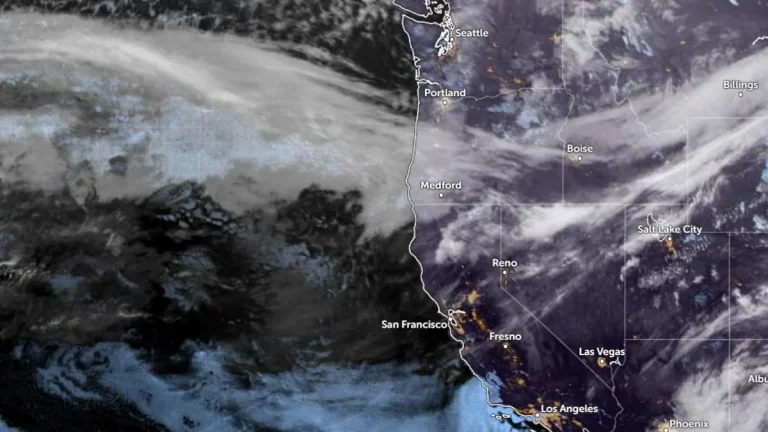
    Two atmospheric rivers are forecast to hit the Pacific Northwest beginning late March 10, 2026, bringing heavy rainfall to coastal areas and significant snowfall to higher elevations in Washington and Oregon. Precipitation totals of 180–380 mm (7–15 inches) are forecast in mountainous regions, with the potential for river rises and localized flooding through the week.

  • Heavy rain causes flooding and stream overflows across São Paulo, Brazil

    Heavy thunderstorms caused flooding and stream overflows in São Paulo city and the metropolitan area during the afternoon of March 8, 2026, prompting flood alerts in several districts. Authorities reported overflowing streams, flooded streets, and at least 180 flooding-related emergency calls as intense rainfall affected the region. Additional rainfall is forecast through March 11, keeping the risk of flooding and landslides elevated across parts of the state.

  • Severe flooding kills 42 across Kenya as heavy rains trigger flash floods in Nairobi

    Severe flooding killed at least 42 people across Kenya by March 9, 2026, after heavy rains triggered flash floods in Nairobi and other parts of the country over the weekend. Available reporting indicated that about 25–26 of the deaths were recorded in the capital, where floodwaters swept away vehicles, disrupted transport, and forced large-scale rescue operations.

  • Union City tornado becomes the earliest EF-3 on record for Michigan

    The deadly tornado that struck Union City, Michigan, on March 6, 2026, was rated EF-3 after damage surveys by the National Weather Service (NWS). It is the earliest EF-3 recorded in Michigan and the strongest to strike the state in 49 years, with estimated peak winds exceeding 247 km/h (160 mph). Meanwhile, the tornado in Edwardsburg was rated EF-1, and an EF-2 rating was given to the Three Rivers tornadoes.

  • Enhanced Risk of severe thunderstorms for parts of Missouri, Iowa, Illinois and Indiana on March 10

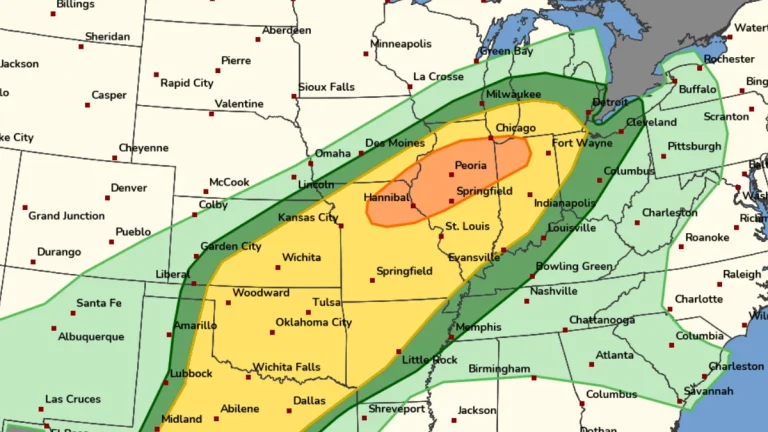
    An Enhanced Risk of severe thunderstorms is in effect for parts of the Midwest on March 10, 2026, including northeast Missouri, southeast Iowa, northern and central Illinois, and northwest Indiana. The forecast environment supports the development of supercells and organized thunderstorm clusters capable of producing tornadoes, damaging wind gusts, and large hail during the afternoon and evening hours.

  • Strong M6.0 earthquake hits Tonga

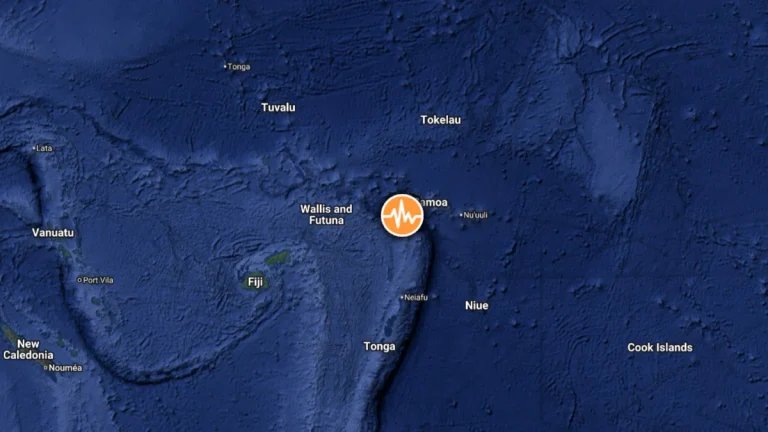
    A strong earthquake registered by the USGS as M6.0 struck near Hihifo, Tonga at 09:28 UTC on March 8, 2026. The agency is reporting a depth of 116.8 km (72.6 miles). EMSC is reporting M6.0 at a depth of 117 km (72.7 miles).