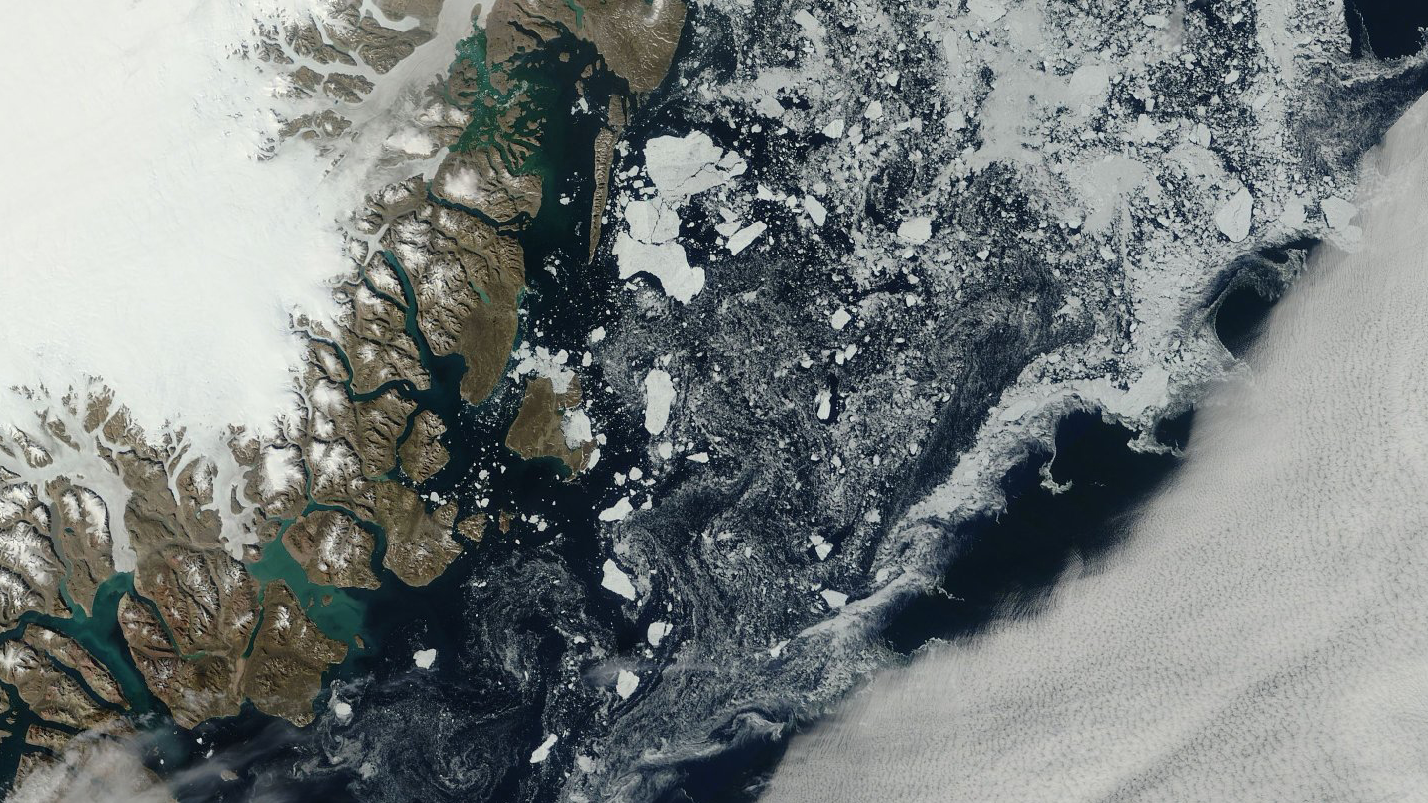
• Arctic sea ice at lowest level on record

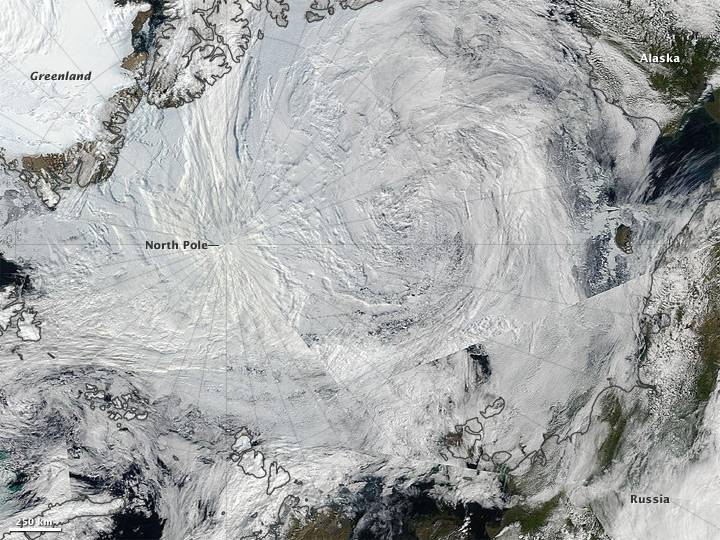
    The amount of sea ice in the Arctic has fallen to the lowest level on record. On August 27, Arctic sea ice was at 4.10 million square kilometers (1.58 million square miles), or about 30 % of the Arctic Ocean’s surface according to the National Snow and Ice Data
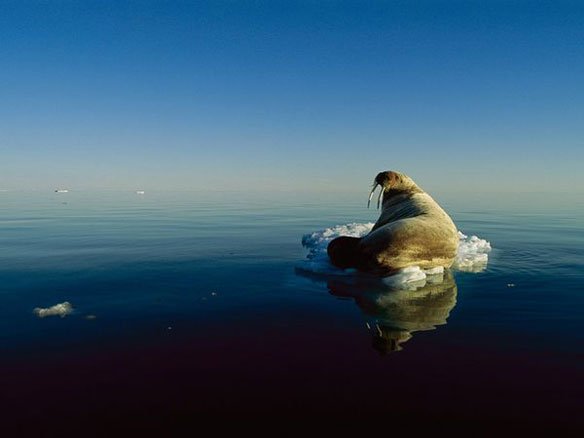
  • Arctic sea ice set to reach its lowest extent ever recorded

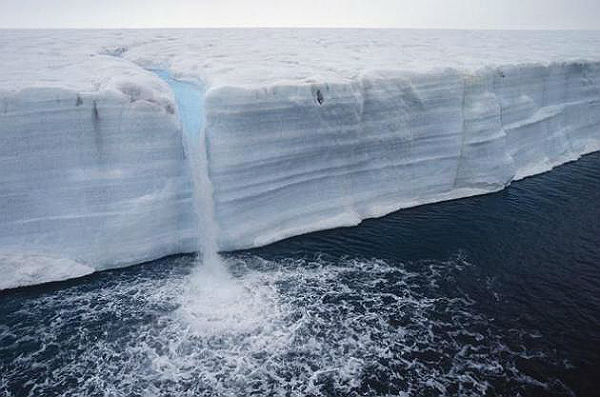
    Ice volume in the Arctic has declined dramatically over the past decade.  Unprecedented rate of Arctic sea ice melt is set to reach its lowest extent ever recorded by the end of this week.Current melt rate of more than 100,000 square kilometers per day is expected

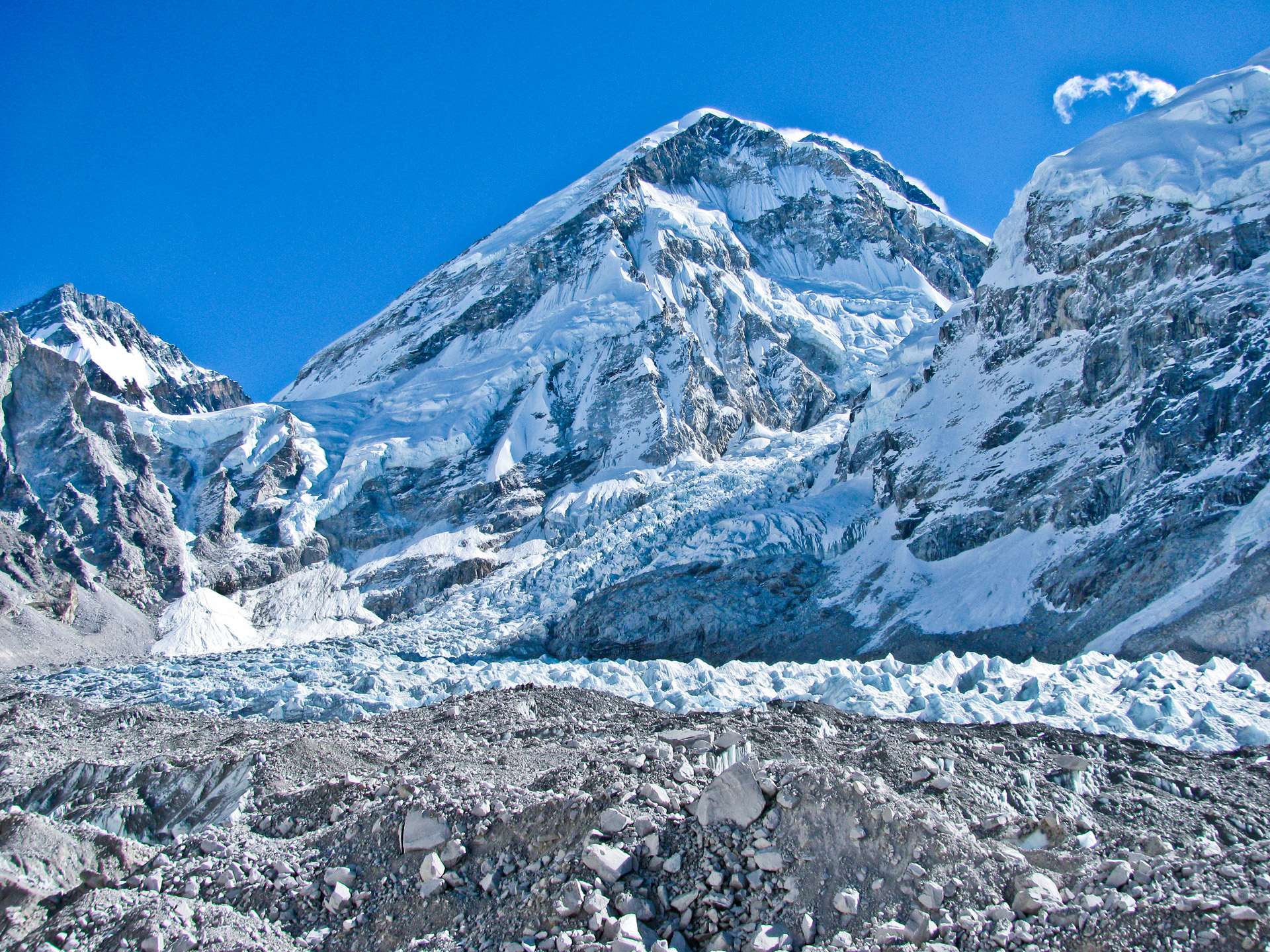
  • New study maps glacier mass change in the Himalayas

    Glacial  reservoirs are among largest  freshwater deposits on Earth. About 1% of global sea level rise is caused by melting – that’s about 3-4% of the total  global glaciers and ice caps. However, researchers don’t have enough data considering regional behaviour

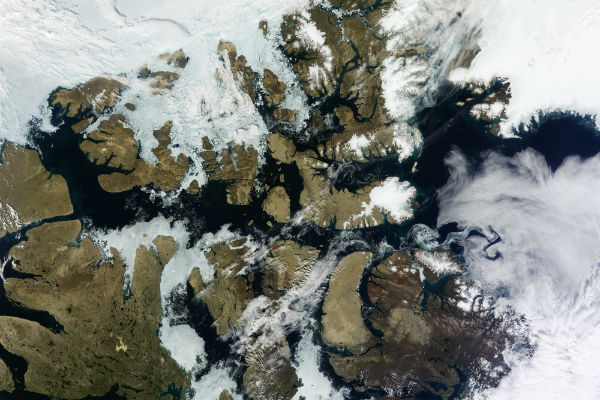
  • Rapid ice melt opens Arctic’s Northwest Passage

    Ice retreated rapidly in the Parry Channel between mid-July and early August 2012. Parry Channel is a part of elusive Northwest Passage. The loss of Arctic sea ice is predicted to open up the Northwest Passage, shortening shipping routes and facilitating the exchange

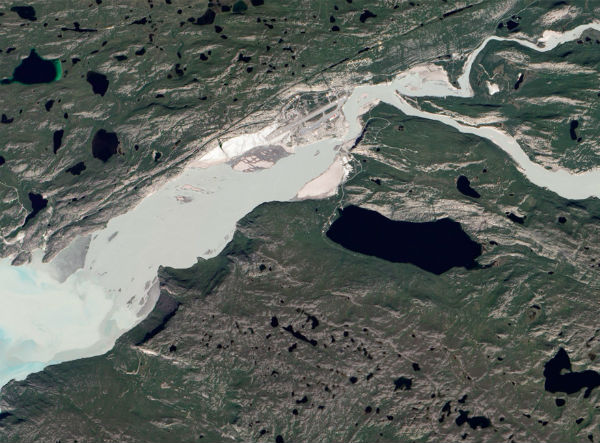
  • Satellite images show flooding in Kangerlussuaq, Greenland

    Recent satellite images show flooding in Kangerlussuaq, a key air transportation hub on Greenland. Located in southwestern Greenland roughly 125 kilometers (75 miles) from the coast, Kangerlussuaq, or Kanger, hosts one of the island’s busiest commercial airports.

  • 97% of the Greenland’s ice sheet surface melted in mid-July

    Greenland’s surface ice cover melted over a larger area than at any time in more than 30 years of satellite observations in period of merely few days this month. Nearly the entire ice cover of Greenland, from its thin, low-lying coastal edges to its two-mile-thick

  • Massive iceberg breaks off from Petermann Glacier on Greenland

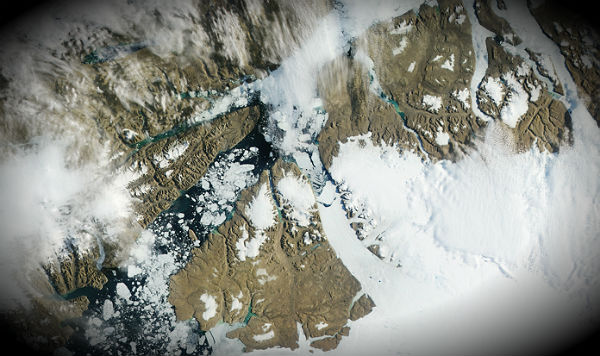
    Another spectacular event on Greenland this year is second big calving of Petermann Glacier, following retreats of the Jakobshavn Glacier and lowest reflectivity of the Greenland ice sheet on record. This calving was expected to happen, as the rift in the glacier has

  • Are we facing an end of Antarctic as we know it?

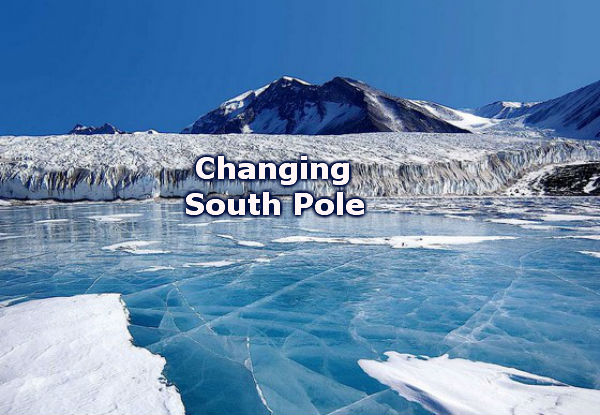
    Regional warming, over-fishing, pollution, invasive species creeping into the area, ocean acidification and loss of sea ice around South Pole region are the most immediate threats for waters around Antarctic. And all those threats are linked to global levels of carbon

  • Unusual sea ice retreat in the Beaufort Sea

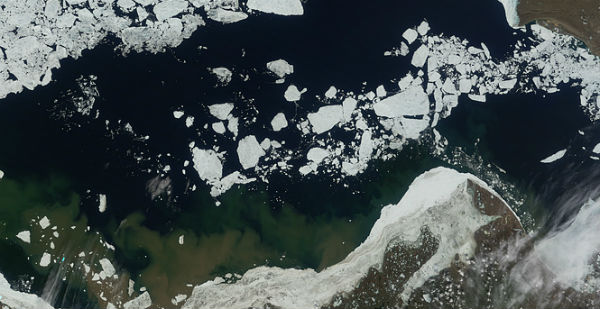
    Sea ice retreat in June is typical, as the summer solstice approaches in the Northern Hemisphere with long hours of sunlight to warm the Arctic and melt snow and sea ice. However, the first half of June 2012 brought unusually rapid ice loss.One area of rapid ice