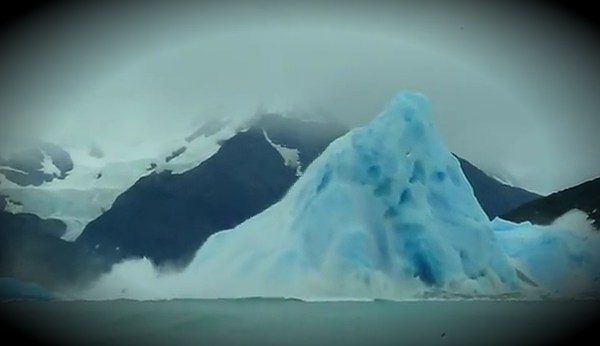
• Footage of Upsala Glacier capsizing

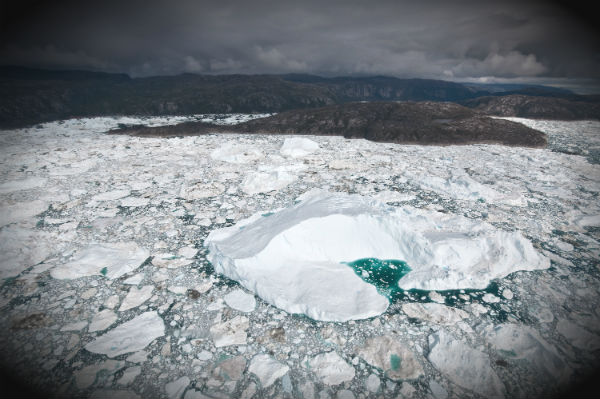
    A tourist traveling on a catamaran in Argentina caught rare footage of the Upsala glacier flipping over.The huge iceberg lost a part of itself and then flipped over with a huge roar according to tourist who witnessed the event from catamaran and recorded it on
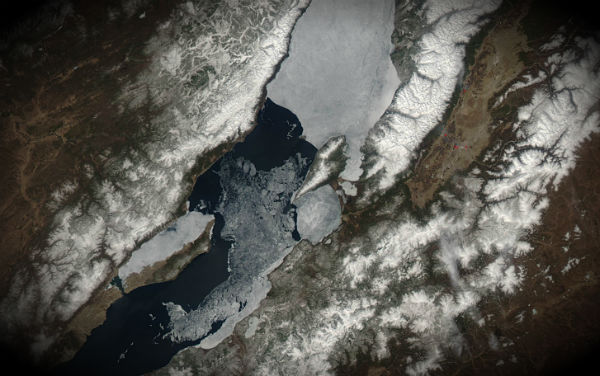
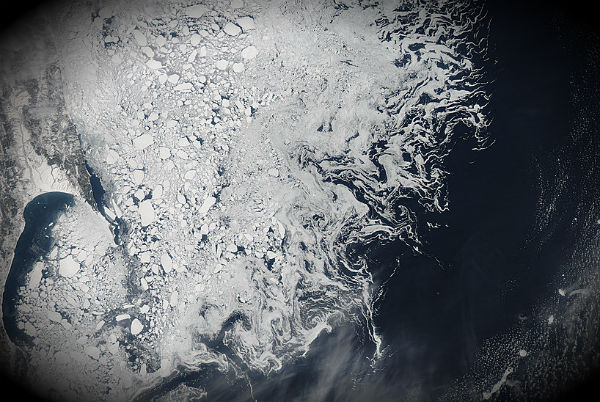
  • Ice melting on Lake Baikal

    For several months each year, Russia’s Lake Baikal is covered by a thick layer of ice. Formation begins in late-December, and by mid-January the entire lake is usually blanketed. Come spring, the lake begins its long, slow melt. Patches of open water usually appear

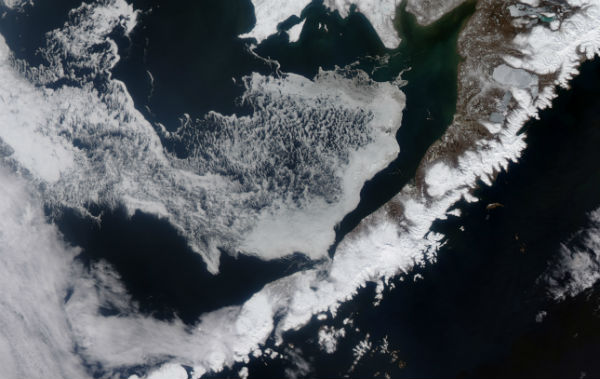
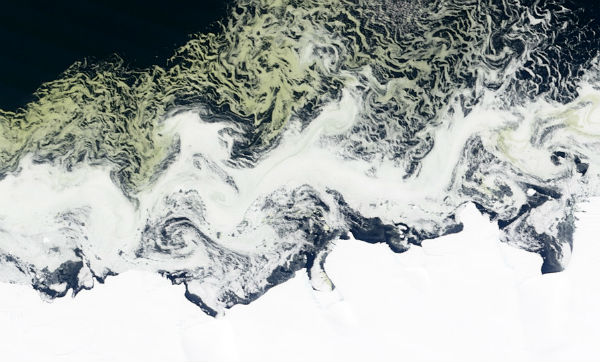
  • Retreating sea ice around Alaska sign of advancing spring

    Over the winter of 2011–2012, the extent of sea ice in the Arctic Ocean was slightly below the 1979–2000 average, but conditions in the Bering Sea were different. There, sea ice extents were well above normal, reaching a record high in March 2012. Two factors

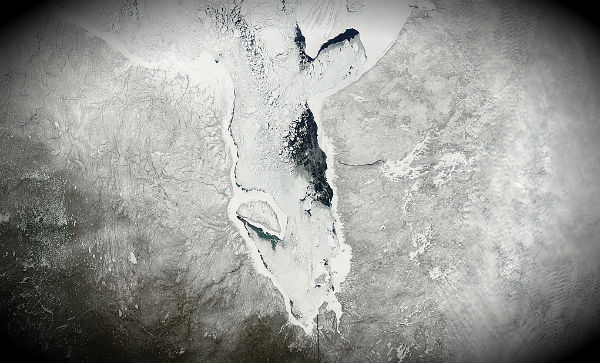
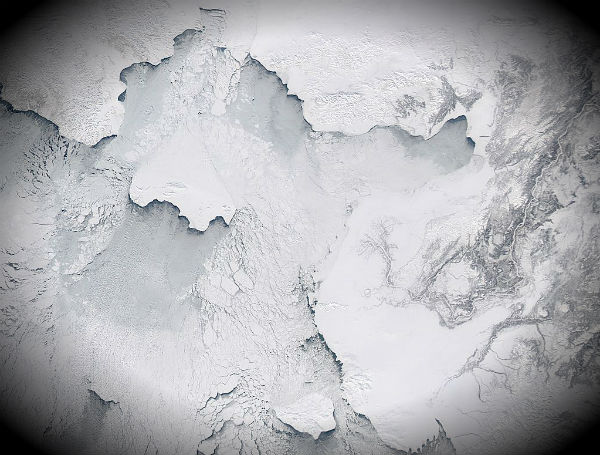
  • Ice breaking up in Hudson Bay, Canada

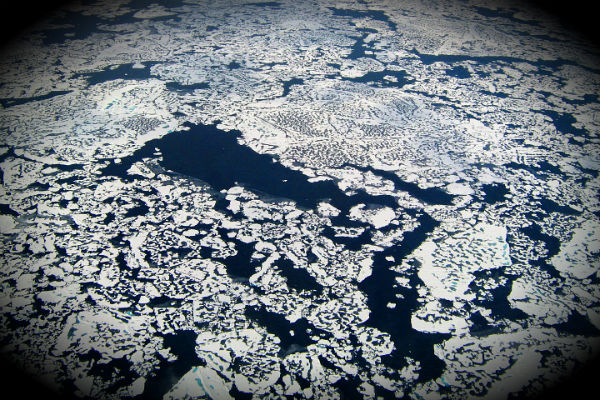
    The cold waters of Hudson Bay are typically covered with ice from January to May each year and reach reaching ice-free status in mid-August, but by early April, 2012, ice breakup was well underway across the Bay. Bits of open water covered with some floating ice can

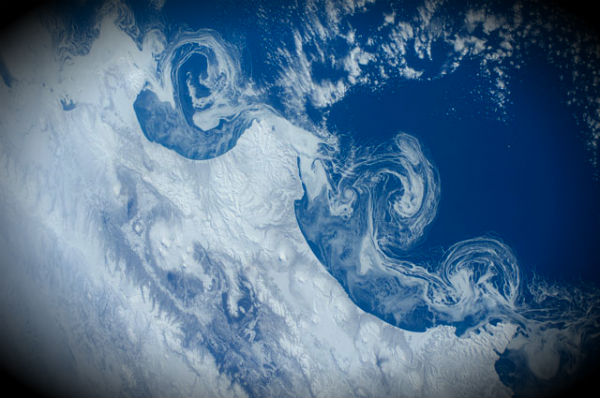
  • Ice floes along the Kamchatka coastline seen from ISS

    The irregular southeastern coastline of Kamchatka provokes large, circular eddy currents to spin off from the main southwestward-flowing Kamchatka current. Three such eddies are observed by the International Space Station (ISS)  as the winter season blankets

  • Ice cover in the Sea of Okhotsk

    In late March, 2012 sea ice hugged the shores of Russia’s Sakhalin Island and covered much of the Sea of Okhotsk. As spring brings increasing sunlight to the region, the ice will begin to break up and flow out to the Pacific Ocean. On March 23, the Japanese

  • Arctic sea ice maximum for 2012

    Arctic sea ice reached its maximum extent for the winter of 2011–2012 on March 18, the National Snow and Ice Data Center (NSIDC) has announced. (Extent is the total area of ocean in which ice concentration is at least 15 percent.) With a total extent of 15.24 million