• Extreme Heat Watches issued for Utah, Montana, and northern Wyoming, temperatures up to 43°C (110°F) forecast through July 27

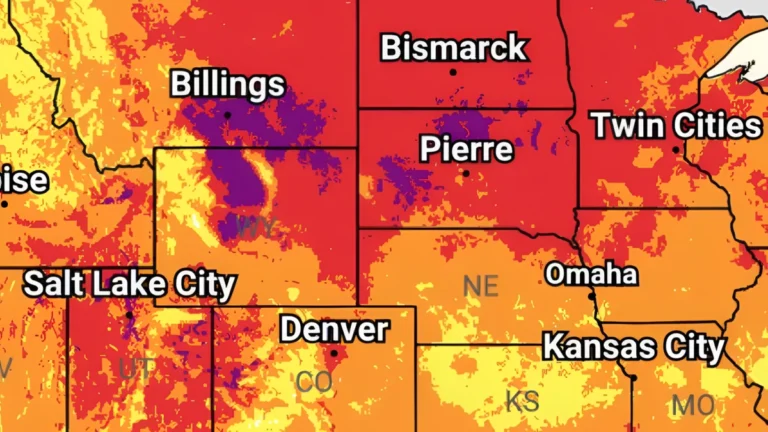
    Extreme Heat Watches have been issued for large portions of Utah, Montana, and north-central Wyoming as widespread dangerous heat is forecast from Friday, July 24, through Sunday, July 26, with some areas remaining under hazardous conditions into early next week. Afternoon temperatures are forecast to reach 35 to 43°C (95 to 110°F), while unusually warm nights across northern Utah are expected to limit overnight cooling and increase cumulative heat stress.


  • Extreme Heat Warnings issued for parts of Arizona, California and Nevada, temperatures above 49°C (120°F) forecast

    Extreme Heat Warnings have been issued across large parts of Arizona, California, and Nevada as a prolonged heat event is forecast to persist through at least Monday, July 27, 2026. Afternoon temperatures are expected to reach 38 to above 49°C (100 to more than 120°F), while exceptionally warm overnight lows are forecast to provide little relief, significantly increasing the risk of heat-related illness.

  • Dangerous heat expands across the Southern U.S. with major to locally extreme HeatRisk

    Dangerous heat is forecast to persist across the southern United States for several days while expanding into the Central and Southern Plains. The National Weather Service is forecasting widespread Major to locally Extreme HeatRisk, daytime highs of 35–41°C (95–105°F), heat index values reaching 41–46°C (105–115°F), and record warm overnight lows of 24–27°C (75–80°F) through Sunday, July 26, 2026. The prolonged combination of hot afternoons and unusually warm nights is expected to produce cumulative heat stress, particularly for people without adequate cooling or hydration.

  • France heatwave brings temperatures above 40°C (104°F), exceptionally warm nights, and widespread wildfire risk

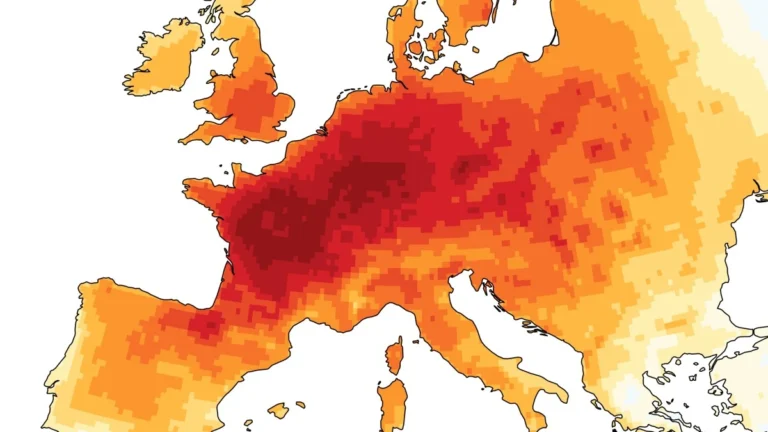
    A prolonged heatwave continued across France on Monday, July 13, with 37 departments under red heatwave vigilance and another 39 under orange vigilance. Exceptionally warm nights, increasingly dry soils and a nationwide wildfire danger are expected to persist as the highest temperatures shift toward central and eastern parts of the country.

  • Record-breaking heat to peak through July 14 from the Great Basin to the Northern Plains, U.S.

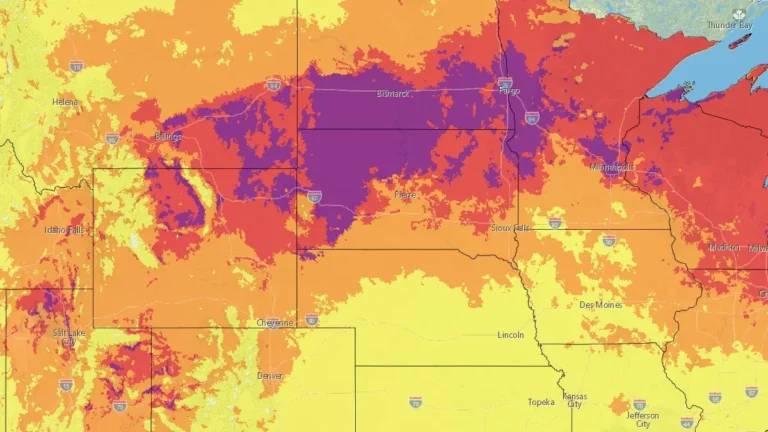
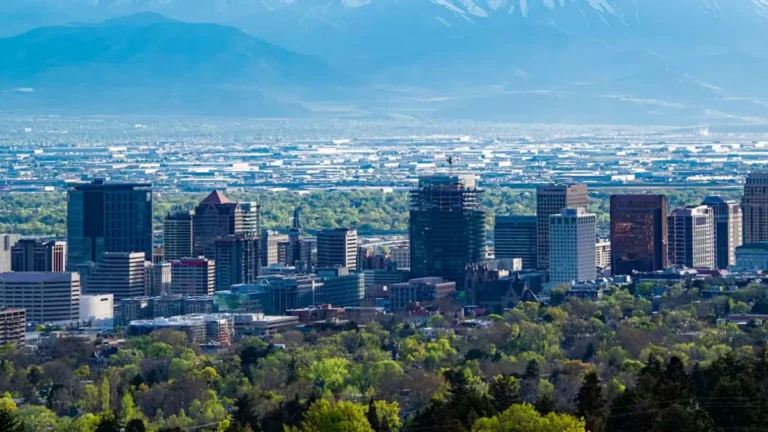
    Dangerous and potentially record-breaking heat is forecast to peak through July 14, 2026, across the western and north-central United States. Billings, Montana, already shattered its all-time temperature record on July 12, while Salt Lake City, Utah, tied for its second-highest reading ever, just short of its own all-time mark. More locations could still challenge records as the heat continues into Tuesday. Very warm nights are adding to the danger by increasing heat stress over several consecutive days.

  • Dangerous heat wave to spread across the Western and Central US, maximum temperatures up to 43°C (110°F)

    The first widespread and significant heat wave of the summer is forecast to develop across the Intermountain West and Plains beginning Friday, July 10, 2026. Widespread temperatures above 38°C (100°F) are forecast, with isolated highs of up to 43°C (110°F). The Weather Prediction Center (WPC) forecasts widespread Major (Level 3) to locally Extreme (Level 4) HeatRisk between Friday and Wednesday, July 10 and 15.

  • Western Europe records hottest June on record as heatwave drives widespread temperature extremes

    Western Europe recorded its warmest June on record in 2026, with an average temperature of 20.74°C (69.3°F), 3.06°C (5.51°F) above the 1991–2020 average, according to the Copernicus Climate Change Service (C3S). The record-breaking month coincided with widespread heatwaves across western and central Europe that set national and local temperature records, while June ranked as the second-warmest globally in the ERA5 dataset.

  • Record-high temperatures at the Potomac River linked to localized fish kill in Maryland

    Record-breaking water temperatures at the Potomac River on July 4, 2026, are being linked to a localized fish kill in Maryland. The water temperatures reached a record high of 34.7°C (94.4°F) near Little Falls amid a record-breaking heatwave. Significant fish mortality was reported along a stretch of the river between White’s Ferry and Violette’s Lock soon after.