Apollo 17 lunar soil experiment confirms solar wind creates hydroxyl on the Moon
A NASA experiment shows how solar wind can form water on the lunar surface. The study, conducted with Apollo 17 samples, simulated 80,000 years of solar wind exposure.


I’m a science journalist and researcher at The Watchers, contributing to the Epicenter edition, where I cover peer-reviewed scientific research and emerging discoveries across Earth and space sciences. With a background in astronomy and a passion for environmental science, I’ve worked in shark and coral conservation in Fiji, conducting reef and shark-behavior research, contributing to mangrove restoration, and earning PADI Open Water and Coral Reef Certifications. I bring a blend of scientific rigor and storytelling to illuminate the discoveries shaping our planet and beyond.
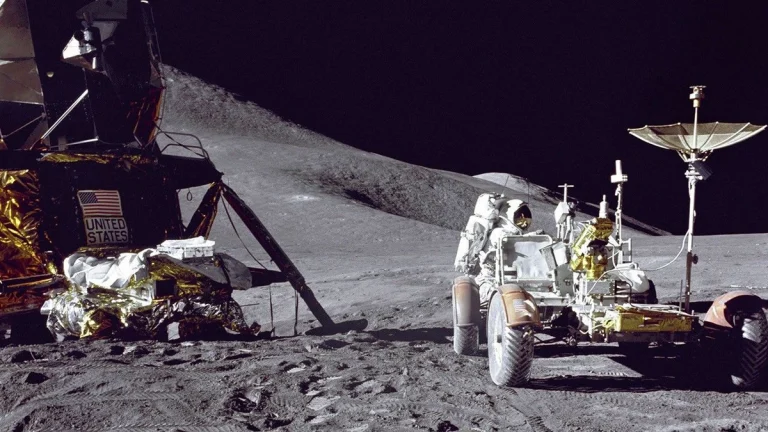
A NASA experiment shows how solar wind can form water on the lunar surface. The study, conducted with Apollo 17 samples, simulated 80,000 years of solar wind exposure.
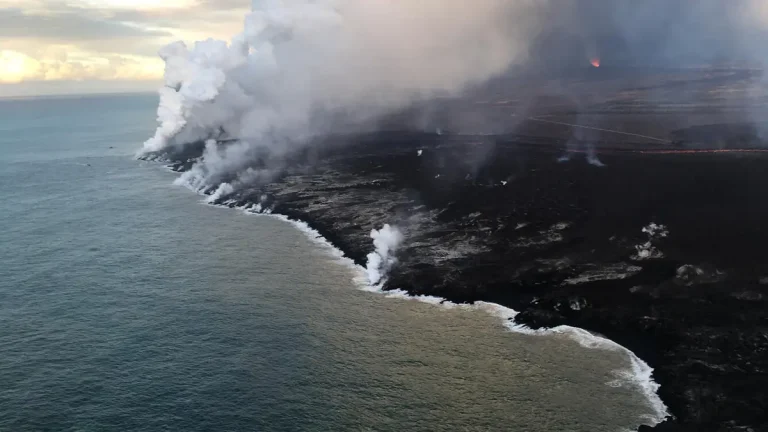
Kīlauea’s 2018 eruption released volcanic ash that contributed to a large phytoplankton bloom 1 930 km (1 200 miles) away in the North Pacific. The bloom, spanning 1.5 million km², was one of the largest recorded in the region.

A new study from the University of Oxford shows that Earth’s building blocks contained sufficient hydrogen to form water internally, challenging the prevalent theory that water was delivered mainly by asteroids or comets.

At least 13 people have died in Nigeria’s Kwara and Niger states due to flooding triggered by the water released from the Jebba Dam on April 16, 2025. The floods have affected over 5 000 dry-season farmers across Niger and Kwara, impacting over 10 000 ha (24 700 acres) of paddy farms in Niger State’s Mokwa region alone.
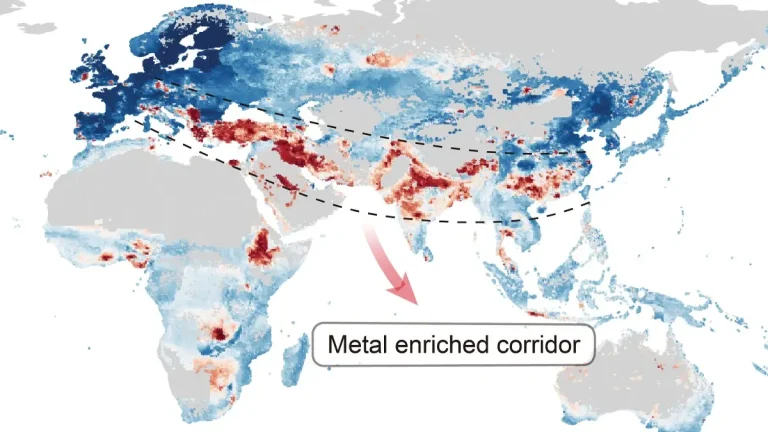
A new study reveals that 14–17 % of global cropland, roughly 242 million ha (598 million acres), is contaminated with toxic metals, affecting food safety for up to 1.4 billion people. The contamination, driven by metals like cadmium and nickel, poses risks to agriculture and human health worldwide.
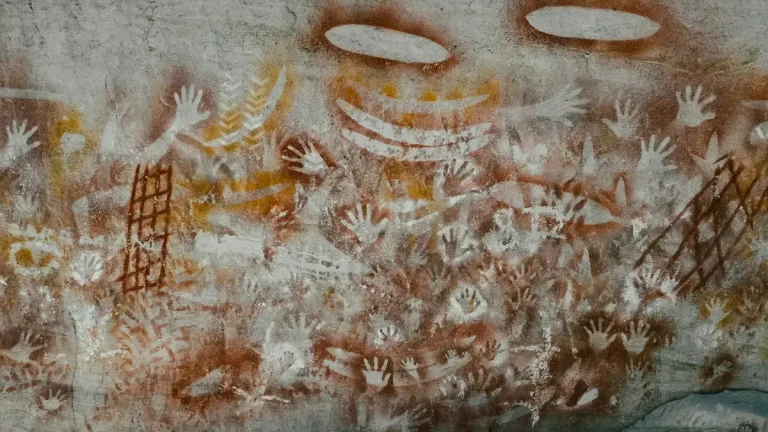
Around 41 000 years ago, Earth’s magnetic field weakened by up to 90 percent during a geomagnetic excursion known as the Laschamps event. This rare event reduced the planet’s natural shielding against solar and cosmic radiation, exposing the surface to increased ultraviolet energy. A new study combining space weather modeling and archaeological evidence shows that early humans adapted to these extreme conditions through the use of ochre, clothing, and caves, while Neanderthals may have lacked such protective strategies, which may have contributed to their extinction.
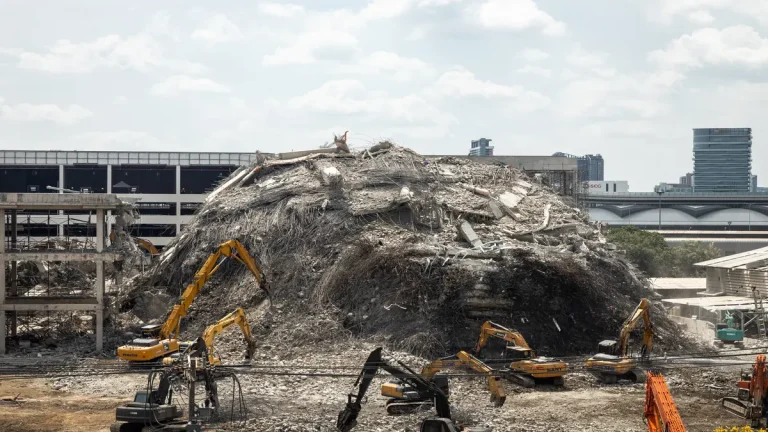
An M7.7 earthquake struck near Mandalay, Myanmar, on March 28, 2025, killing more than 5 000 people and injuring at least 11 400. The shallow, high-magnitude event ruptured a long section of the Sagaing Fault, prompting seismologists to investigate its complex rupture dynamics and evidence of supershear propagation.

Researchers using the James Webb Space Telescope have detected molecules in the atmosphere of exoplanet K2-18b that may indicate potential biological activity. The analysis revealed the presence of dimethyl sulfide and dimethyl disulfide—compounds that, on Earth, are primarily produced by biological processes.
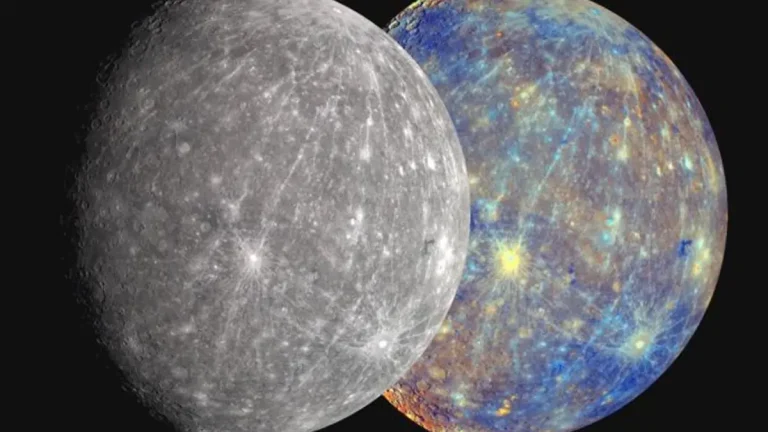
A recent study proposes that Mercury’s unusually large iron core formed after a grazing collision with a similar-sized protoplanet stripped away much of its rocky mantle. The theory is supported by simulations and past mission data, with further observations expected from the BepiColombo mission in November 2026.

The Lyrid meteor shower, caused by debris from Comet Thatcher, will peak from April 21 to April 22, 2025, with an expected rate of 10–15 meteors per hour. It will be best visible in the Northern Hemisphere, and rare surges and fireballs may occur under favorable conditions,
