I’m a science journalist and researcher at The Watchers, contributing to the Epicenter edition, where I cover peer-reviewed scientific research and emerging discoveries across Earth and space sciences. With a background in astronomy and a passion for environmental science, I’ve worked in shark and coral conservation in Fiji, conducting reef and shark-behavior research, contributing to mangrove restoration, and earning PADI Open Water and Coral Reef Certifications. I bring a blend of scientific rigor and storytelling to illuminate the discoveries shaping our planet and beyond.

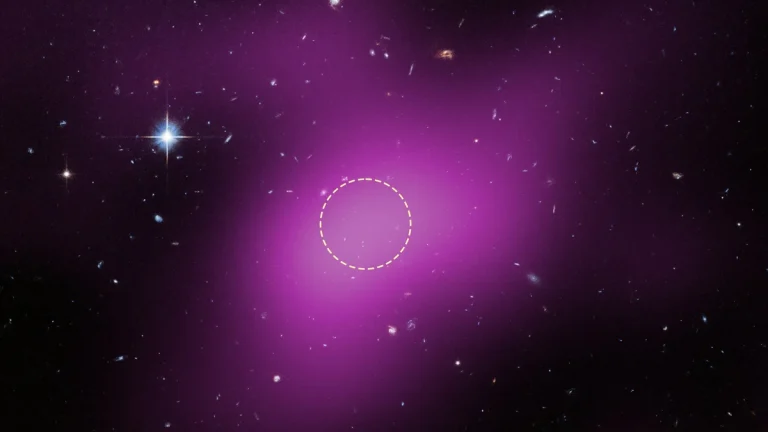
  • New inner structure discovered in the Kuiper belt challenges models of the early Solar System

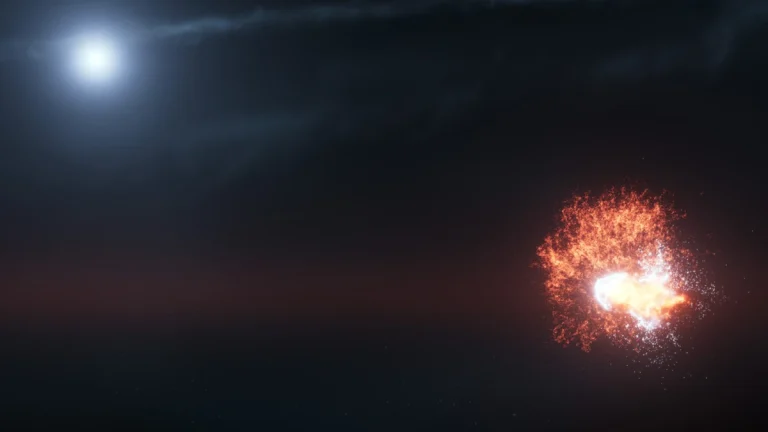
    A recent analysis reports the detection of a previously unrecognized concentration of Kuiper belt objects near 43 astronomical units, located just inward of the well known 44 astronomical unit kernel and identified through clustering of barycentric free orbital elements.

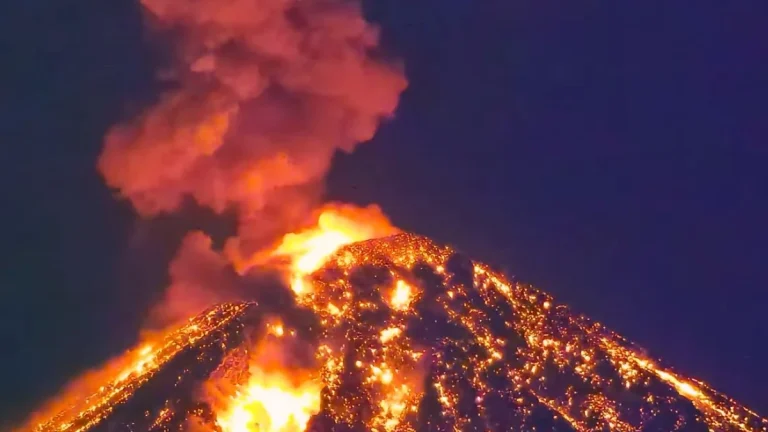
  • Magma pulses beneath Santorini revealed as the true cause of intense 2025 earthquake swarm

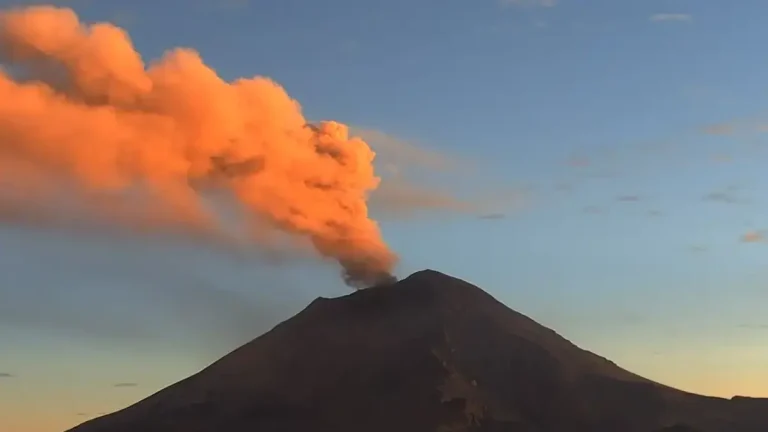
    A massive swarm of earthquakes that rattled the Aegean Sea between January and March 2025 was not caused by fault movement, as scientists first feared, but by waves of magma slicing through the crust beneath Santorini. The finding, published in Science on November 20, offers a detailed look at how Earth’s interior pulses and shifts beneath volcanic regions.

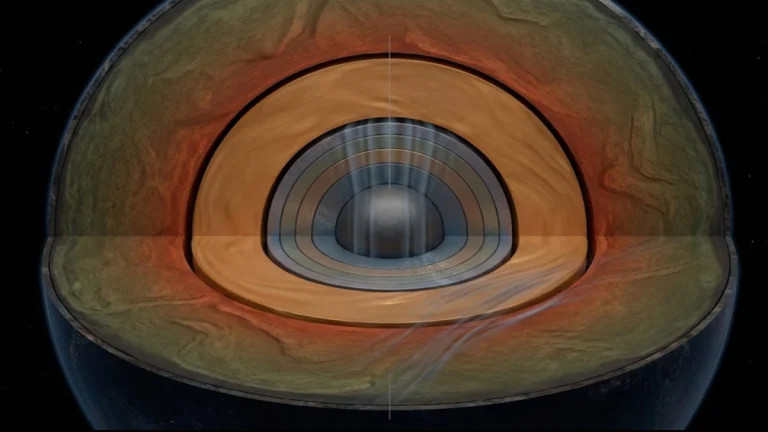
  • Deep faults beneath Cascadia show signs of rapid self-healing

    At the Cascadia Subduction Zone in the Pacific Northwest, where one tectonic plate slides beneath another, researchers from the University of California, Davis have found that rocks deep within faults can cement themselves back together within hours after seismic slip, offering new insights into how large earthquakes may initiate.

  • Astronomers identify 40 000th near-Earth asteroid, marking major milestone in planetary defense

    Astronomers have identified the 40 000th near-Earth asteroid (NEA), marking a major milestone in planetary defense monitoring. The catalog expanded from 30 000 objects in 2022 to 40 000 in 2025, driven by advanced survey telescopes, automated orbit analysis, and coordinated international data sharing.

  • NASA missions capture multi-platform views of interstellar comet 3I/ATLAS

    NASA spacecraft positioned from Mars orbit to near-Sun vantage points have collected coordinated observations of interstellar comet 3I/ATLAS, forming a solar system–wide dataset as the object travels inward ahead of its December 19, 2025 closest approach to Earth.

  • What are atmospheric rivers and how they shape regional flood patterns

    Atmospheric rivers are long, narrow corridors of concentrated water vapor that move through the atmosphere and deliver massive amounts of rain and snow to mid-latitude coasts. These “rivers in the sky” shape flood seasons in the U.S. West Coast and Europe and are closely monitored because their intensity, duration and landfall location determine whether they bring beneficial moisture or trigger destructive floods.