I'm a dedicated researcher, journalist, and editor at The Watchers. With over 20 years of experience in the media industry, I specialize in hard science news, focusing on extreme weather, seismic and volcanic activity, space weather, and astronomy, including near-Earth objects and planetary defense strategies. You can reach me at teo /at/ watchers.news.

  • What is a solar radiation storm and why it matters

    Solar radiation storms are extreme space weather phenomena in which high-energy particles from the Sun reach near-Earth space, posing operational risks to satellites and aviation. The latest rare S4 – Severe event on January 19, 2026, is the strongest since 2003, providing an opportunity to explain what solar radiation storms are and why scientists monitor them from Earth’s orbit to surface detectors.

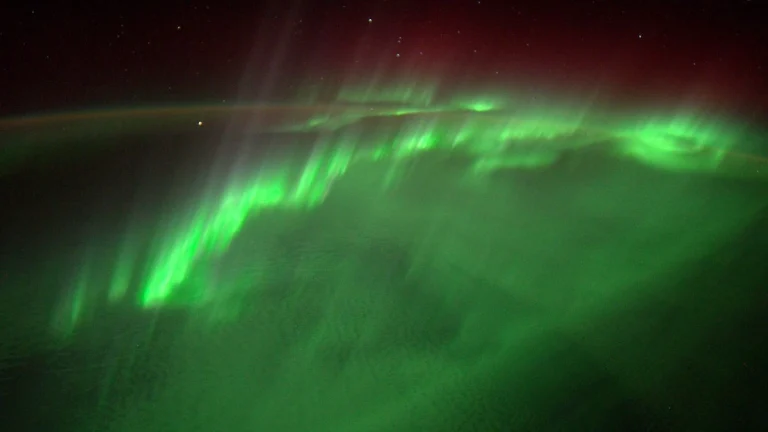
  • CME impact forecast early January 20 with G4 – Severe or higher storm risk and aurora as low as California

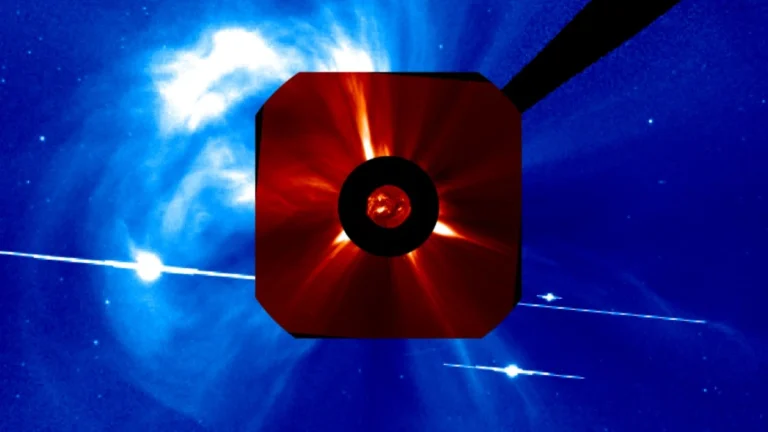
    A G4 – Severe or greater geomagnetic storm is forecast for early January 20, 2026, as a full-halo coronal mass ejection from the January 18 X1.9 solar flare approaches Earth. If G4 conditions materialize, auroral activity is expected to expand significantly equatorward, with visibility possible as far south as Alabama and northern California.

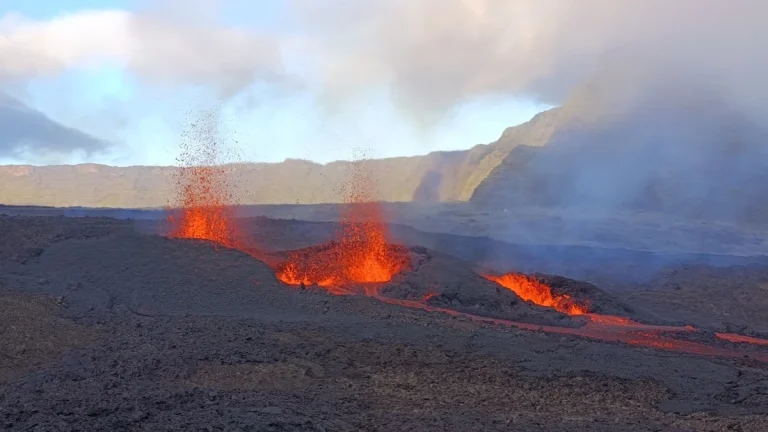
  • Piton de la Fournaise enters new effusive phase inside Enclos Fouqué caldera, La Réunion

    Piton de la Fournaise volcano on La Réunion entered a new eruptive phase at 19:42 LT (16:42 UTC) on January 18, 2026, after a strong seismic crisis and rapid ground deformation. The eruption is effusive, producing lava flows from fissures on the northern flank inside the Enclos Fouqué caldera. This is the first eruption at Piton de la Fournaise since August 2023.

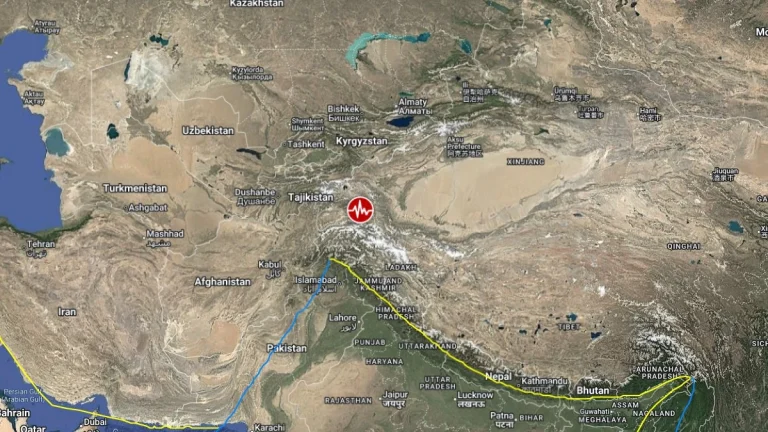
  • Shallow M5.6 earthquake hits Gilgit-Baltistan region, Pakistan

    A shallow earthquake registered by the USGS as M5.6 (downgraded from M5.9) struck near Barishal, Gilgit-Baltistan, Pakistan at 06:21 UTC on January 19, 2026. The agency is reporting a depth of 35 km (21.7 miles). EMSC is reporting M5.7 at a depth of 31 km (19.3 miles).

  • Long-duration X1.9 solar flare erupts from Region 4341, Earth-directed CME produced

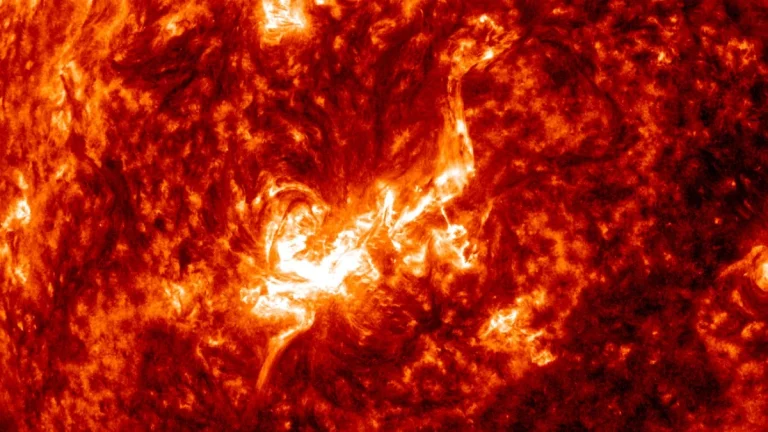
    A long-duration X1.9 solar flare erupted from Active Region 4341 at 18:09 UTC on January 18, 2026. The event began at 17:27 and ended at 18:51 UTC. Coronagraph imagery indicates that a full halo coronal mass ejection (CME) was produced during the eruption. Given the location of the source region on the solar disk, the CME is considered likely to be at least partially Earth-directed, pending further analysis of its speed and magnetic structure.