I'm a dedicated researcher, journalist, and editor at The Watchers. With over 20 years of experience in the media industry, I specialize in hard science news, focusing on extreme weather, seismic and volcanic activity, space weather, and astronomy, including near-Earth objects and planetary defense strategies. You can reach me at teo /at/ watchers.news.

  • Arctic cold wave freezes Lapland airports, disrupts travel across northern Europe

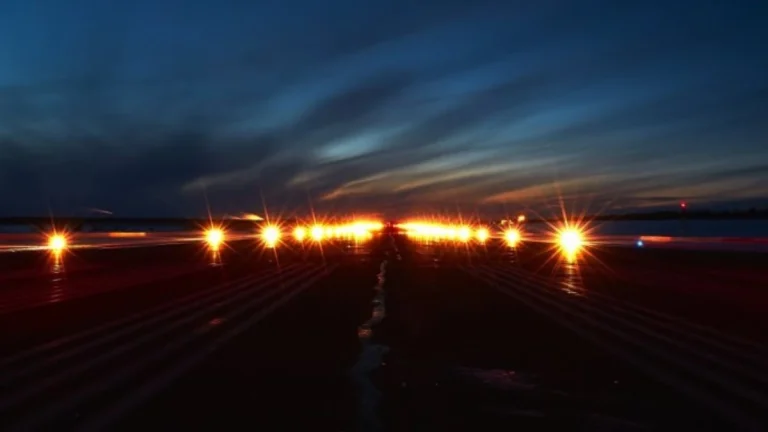
    Thousands of tourists were stranded in northern Finland on January 11, 2026, after flights at Kittilä Airport were canceled due to extreme cold that made de-icing and fueling operations impossible. Temperatures dropped to −37°C (−34.6°F), one of the lowest readings of the winter season, amid a wider Arctic cold outbreak affecting large parts of northern and central Europe.
  • CME and coronal hole influences cause G1-G2 geomagnetic storming, M3.3 flare erupts beyond solar limb

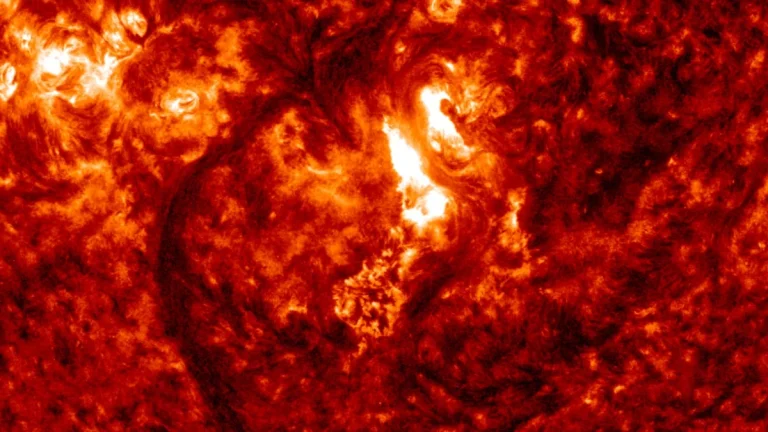
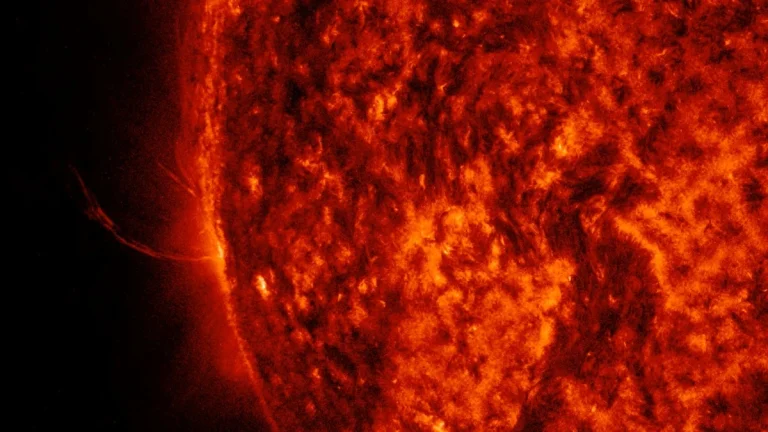
    A long-duration M3.3 flare erupted from just beyond the east-southeast limb at 11:00 UTC on January 11, 2026, as CME and coronal hole influences continued to disturb the solar wind environment. The geomagnetic field reached G1 – Minor to G2 – Moderate storm levels on January 10–11 under combined CME and coronal hole high-speed stream effects. Elevated solar wind parameters and unsettled-to-active geomagnetic conditions are expected to persist through January 14.

  • Remnant Alaska atmospheric river to merge with second plume, bringing prolonged AR conditions to western Washington

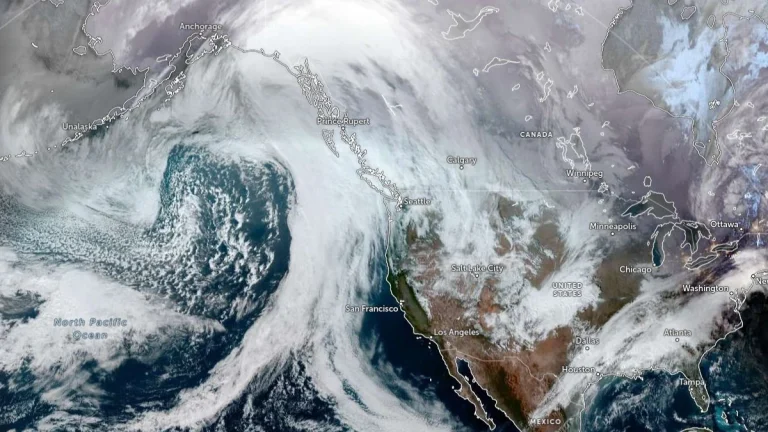
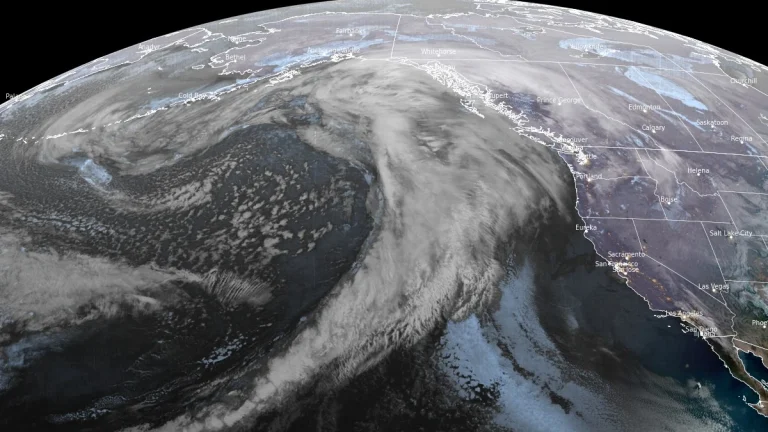
    An atmospheric river that impacted Alaska on January 9, 2026, is forecast to propagate down the coast and merge with a second plume, delivering a 48–72-hour period of AR conditions over western Washington from January 10 to 12. Forecast guidance indicates 100–150 mm (4–6 inches) of rain over the Olympic Peninsula, 50–100 mm (2–4 inches) over the northern Washington Cascades, and 25–50 mm (1–2 inches) over the Cascade foothills, with freezing levels rising above 1 830 m (6 000 feet).

  • Multiple Earth-directed CMEs expected to trigger G1 geomagnetic storm and aurora at high latitudes

    Multiple coronal mass ejections (CMEs) launched from Active Region 4334 on January 8, 2026, are expected to deliver a glancing blow to Earth between late January 10 and early January 11, according to the U.S. Space Weather Prediction Center (SWPC). The interaction of several CMEs and a coronal hole high-speed stream is forecast to cause isolated G1 – Minor geomagnetic storm conditions. Aurora may become visible across high latitudes, including the northern tier of the United States, such as northern Michigan and Maine.

  • Evacuations underway after Mayon volcano’s dome collapse and pyroclastic flows, Philippines

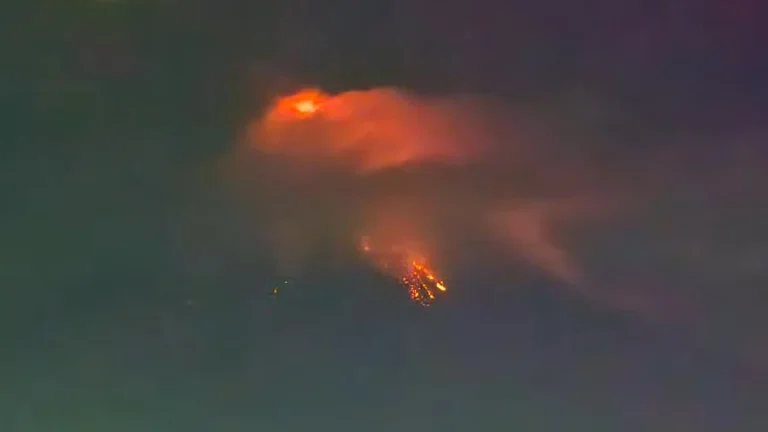
    Nearly 3 000 residents have been evacuated from communities around Mayon volcano in Albay Province, Philippines, after the Philippine Institute of Volcanology and Seismology (PHIVOLCS) raised the alert status to Level 3 on January 6, 2026. The evacuation follows intensified dome collapse events, pyroclastic density currents, and ongoing effusive lava extrusion at the summit.

  • Rapid ice breakup causes flood in Kanas Scenic Area, northwest China

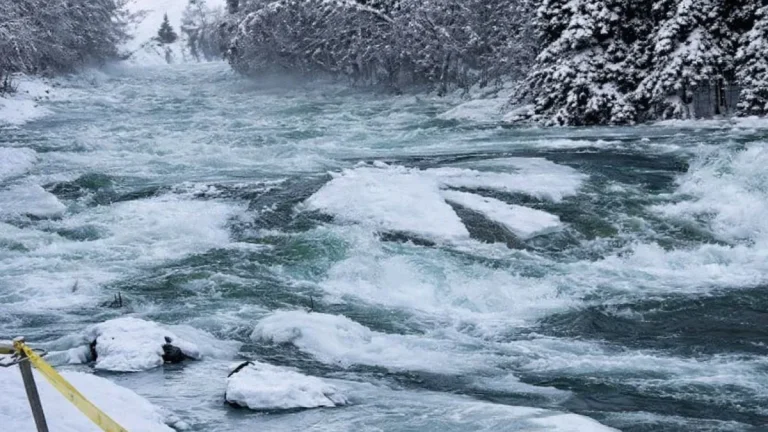
    A sudden ice flood occurred on January 5, 2026, in the Kanas Scenic Area of Xinjiang, China, sending large ice blocks rushing downstream in the Kanas River. The short-lived event was captured on video and later described by local authorities as a localized “ice flood” caused by ice breakup due to warmer temperatures.

  • Japan braces for another heavy snow event following early-January traffic paralysis

    Japan Meteorological Agency (JMA) forecasts heavy snowfall around January 11–12, 2026, as a strong cold surge moves over Honshu, with warning-level accumulations expected along the Sea of Japan side including Hokuriku and Tohoku. Regional observatories report the potential for five-day snowfall totals exceeding 160 percent of seasonal averages, a rare magnitude for this time of year. This follows the early-January snowstorm that immobilized about 3 000 vehicles over a 23 km (14 miles) stretch of the Sanyō Expressway in western Japan.