I'm a dedicated researcher, journalist, and editor at The Watchers. With over 20 years of experience in the media industry, I specialize in hard science news, focusing on extreme weather, seismic and volcanic activity, space weather, and astronomy, including near-Earth objects and planetary defense strategies. You can reach me at teo /at/ watchers.news.

  • Record rainfall triggers flooding and evacuations in Wellington, New Zealand, one person missing

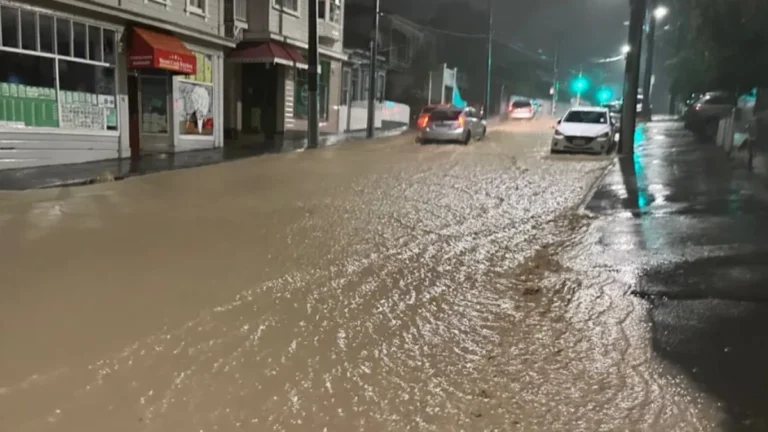
    Severe flooding and landslides struck Wellington, New Zealand, between April 20 and 21, 2026, after 77 mm (3 inches) of rain fell in less than 1 hour, prompting evacuations across multiple suburbs and leaving one person missing. A state of emergency remains in place as saturated ground and additional rainfall maintain the risk of further flooding and landslides.

  • Subsequent earthquake advisory issued after M7.4 event, elevated large-earthquake risk, Japan

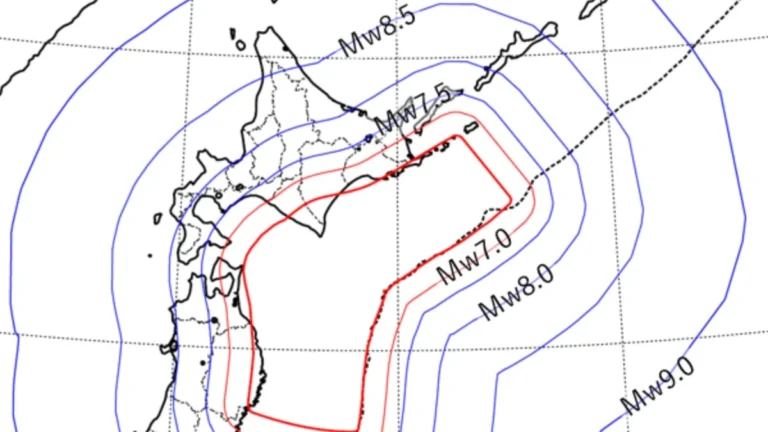
    Japan Meteorological Agency (JMA) issued an official advisory warning of an elevated risk of a larger earthquake along its Pacific coast on April 20, 2026, after a M7.4 quake near the Japan Trench at 07:53 UTC (16:53 local time). The agency estimates about a 1% chance of a Mw7.8 or greater earthquake occurring within seven days, based on historical statistics.

  • Major M7.4 earthquake hits near east coast of Honshu, Japan, tsunami waves observed along Tohoku coast

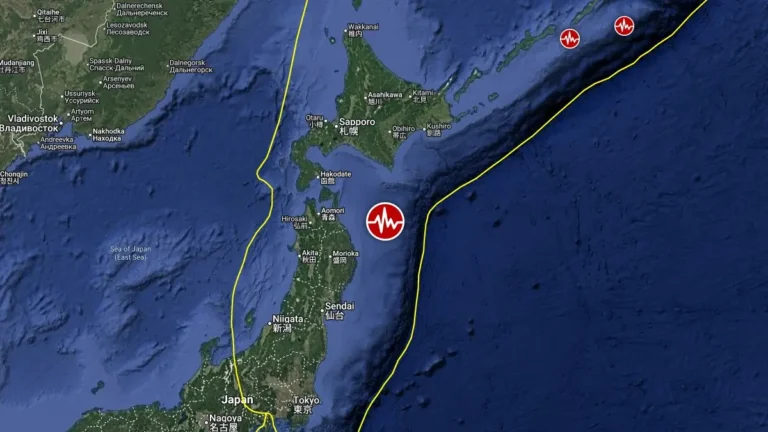
    A major earthquake registered by the USGS as M7.4 struck near the east coast of Honshu, Japan, at 07:53 UTC (16:53 local time) on April 20, 2026. The agency is reporting a depth of 35 km (21.7 miles). JMA and EMSC are reporting M7.4 at a depth of 10 km (6 miles). According to the Pacific Tsunami Warning Center (PTWC), hazardous tsunami waves are possible within 300 km (186 miles) of the epicenter.

  • State of emergency declared as Red Heavy Rain Warnings take effect in Wellington and Wairarapa, New Zealand

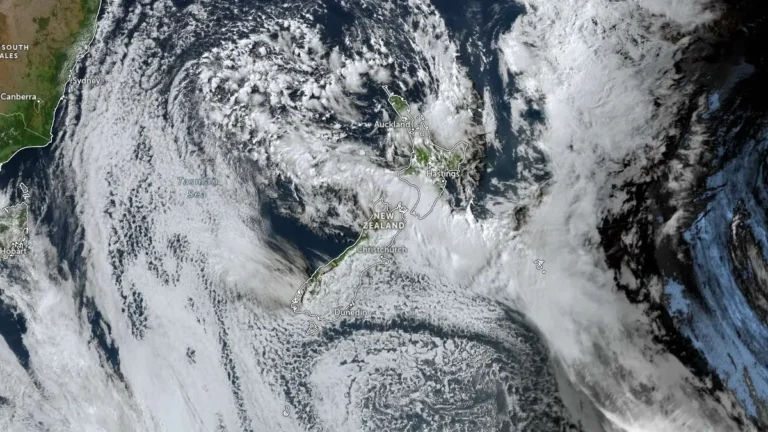
    Red Heavy Rain Warnings were issued for Wellington and Wairarapa on Monday, April 20, 2026, as flooding, swollen rivers, and landslides cut through infrastructure across the region, prompting the declaration of a state of emergency. Further heavy rain is forecast through Tuesday, April 21, with accumulations of up to 150 mm (5.9 inches) expected in the hardest-hit areas.

  • Grand Canyon origin tied to ancient lake spillover, new geological evidence shows

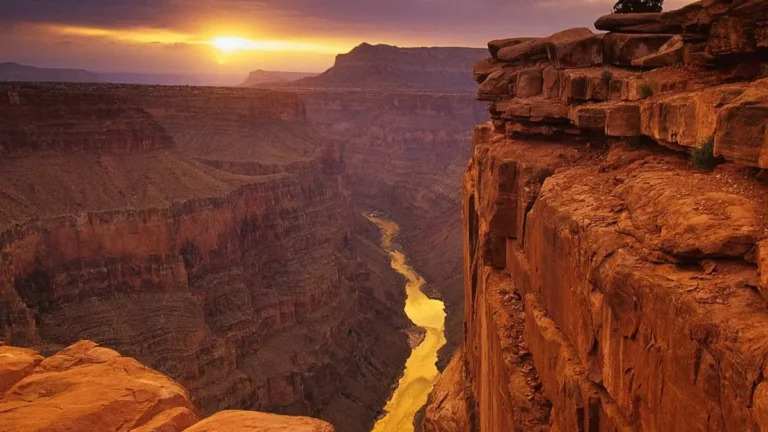
    An ancient lake that filled, pooled, and ultimately spilled over may hold the answer to one of geology’s most debated questions: how did the Colorado River carve the Grand Canyon? New evidence published April 16, 2026, in Science supports spillover flooding from Lake Bidahochi as a key mechanism in the river’s integration and the canyon’s formation, with mineral grain analysis placing Colorado River sediment in the Bidahochi Basin of northern Arizona by approximately 6.6 million years ago.

  • Strong and shallow M6.1 earthquake hits Tonga

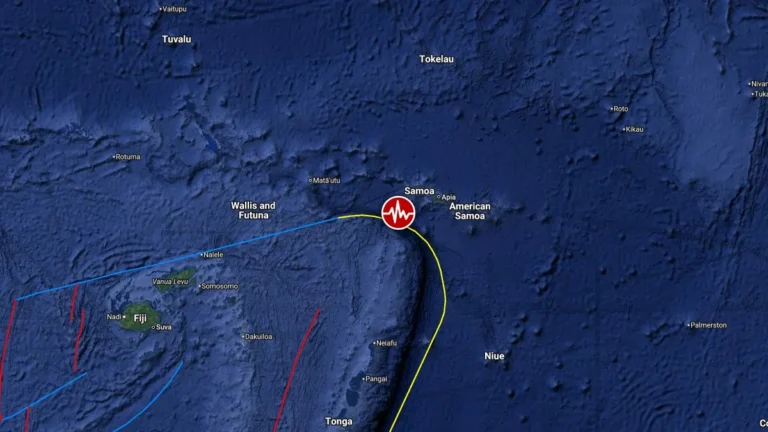
    A strong and shallow earthquake registered by the USGS as M6.1 hit Tonga at 17:34 UTC on April 19, 2026. The agency is reporting a depth of 36 km (22.4 miles). EMSC is reporting the same magnitude and depth.

  • North Atlantic circulation shows signs of weakening, studies point to major decline by 2100

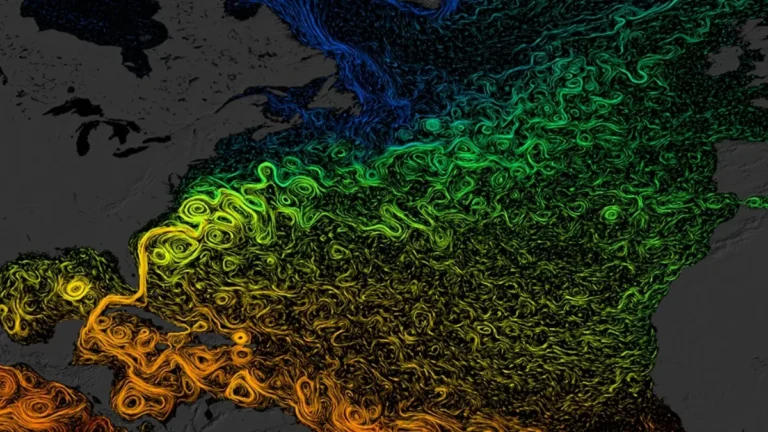
    A pair of studies published in April 2026 in Science Advances report a consistent decline in observed western-boundary overturning transport across the North Atlantic and suggest that future weakening of the Atlantic Meridional Overturning Circulation (AMOC) could be stronger than standard climate model estimates.

  • EF-3 tornado confirmed near Cream, Wisconsin during April 17, 2026 outbreak; NWS La Crosse issues record 26 warnings

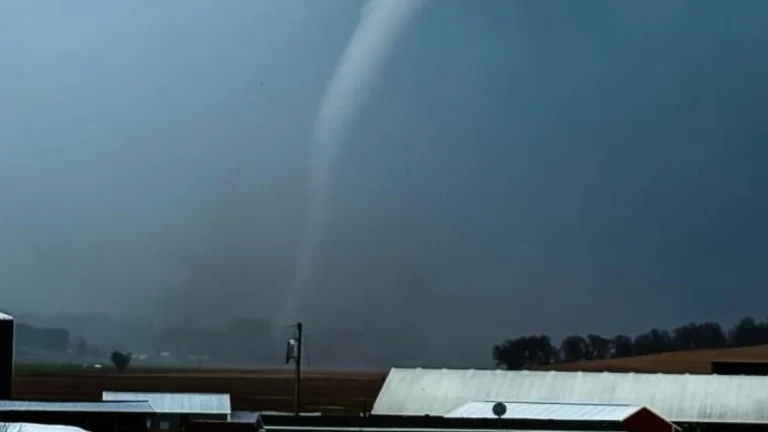
    A tornado outbreak struck the Upper Midwest on April 17, 2026, producing multiple EF-2 and EF-3 tornadoes across southeast Minnesota and western Wisconsin, damaging more than 100 homes and injuring at least two people. The strongest tornado, rated EF-3, caused severe structural damage along its path, while the National Weather Service La Crosse office issued a record 26 tornado warnings during the event.

  • Leak surge and pipe failures detected following earthquakes in San Ramon Valley, California

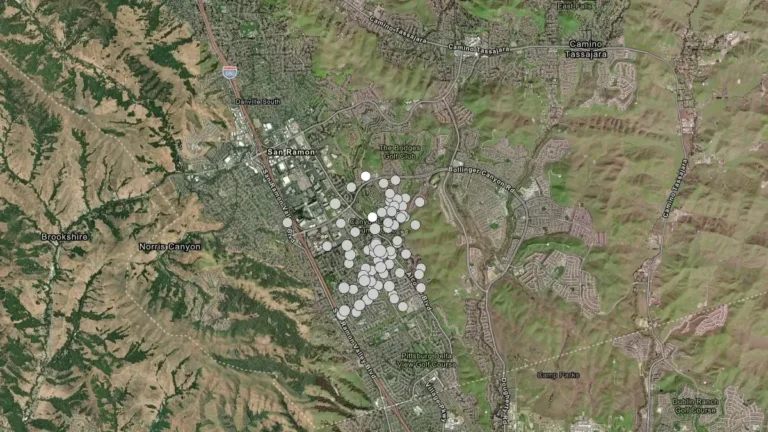
    A cluster of underground pipe failures has been detected in San Ramon and surrounding East Bay communities, California, following a sequence of earthquake swarms active in the area since 2025. The incidents include fractured water and sewer lines, often identified only after prolonged leakage periods and abnormal water usage. Experts consider ground movement associated with recent seismic activity as a possible contributing factor, although causation has not been confirmed.