I'm a dedicated researcher, journalist, and editor at The Watchers. With over 20 years of experience in the media industry, I specialize in hard science news, focusing on extreme weather, seismic and volcanic activity, space weather, and astronomy, including near-Earth objects and planetary defense strategies. You can reach me at teo /at/ watchers.news.

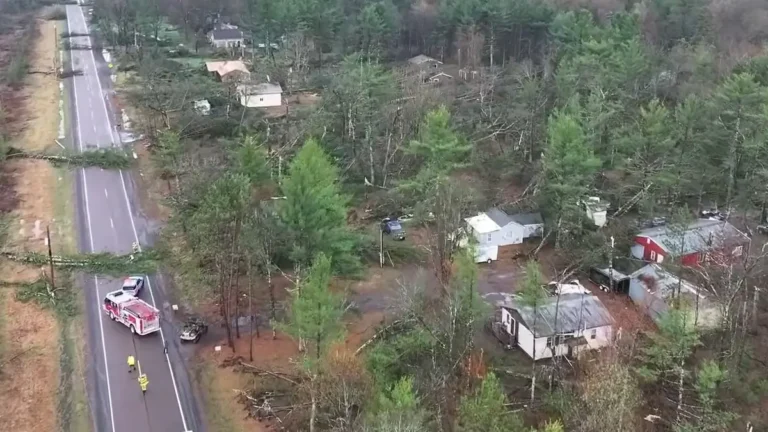
  • Tornadoes damage homes and infrastructure across multiple Midwest states on April 17

    A severe weather outbreak produced multiple tornadoes across the Midwestern United States on April 17, 2026, resulting in structural damage to residential buildings and infrastructure in several states. Preliminary National Weather Service data indicates more than 20 tornado reports, with impacts concentrated in Wisconsin, Illinois, and Minnesota and extending into Missouri, and at least one reported injury.
  • Pico volcano system raised to V1 alert after increased seismicity in Faial–Pico channel, Portugal

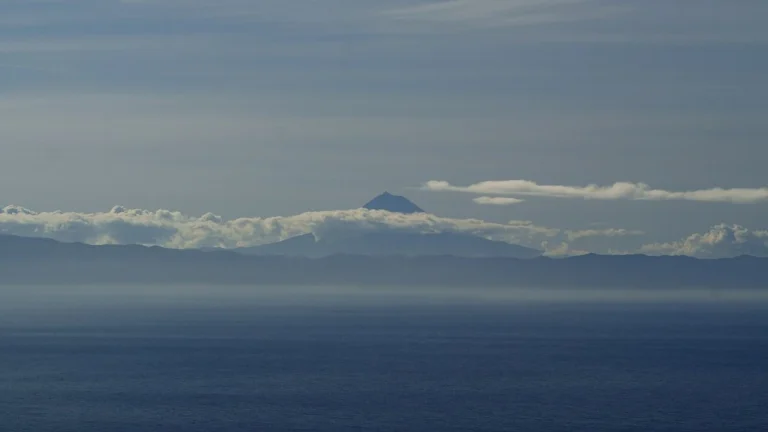
    Authorities raised the volcanic alert level to V1 in the Faial–Pico channel, Azores, Portugal, on April 9, 2026, following low-magnitude seismic activity that began on April 1. The earthquakes occurred along a NE–SW trend west of Madalena to north of Lagido, spanning depths from 20 km (12 miles) to near the surface. The last known eruption at this volcano took place in 1720, with a Volcanic Explosivity Index (VEI) of 2.

  • Tornado Watch issued for parts of Iowa, Illinois, Minnesota, Missouri and Wisconsin

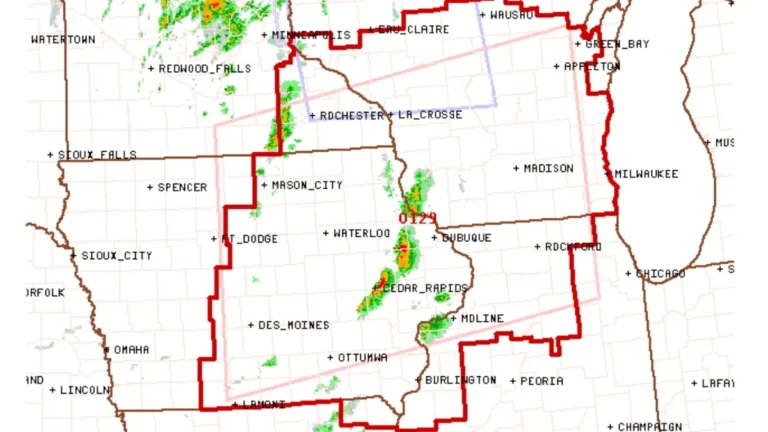
    The Storm Prediction Center issued a Tornado Watch for a multi-state region of the Upper Midwest at 17:40 UTC (12:40 CDT) on April 17, 2026, citing a highly unstable environment ahead of an advancing cold front. Severe storms are expected to develop through the afternoon and evening, with tornadoes, large hail, and strong wind gusts as primary hazards.

  • Strong tornadoes, large hail and damaging winds expected from Plains to Great Lakes on April 17

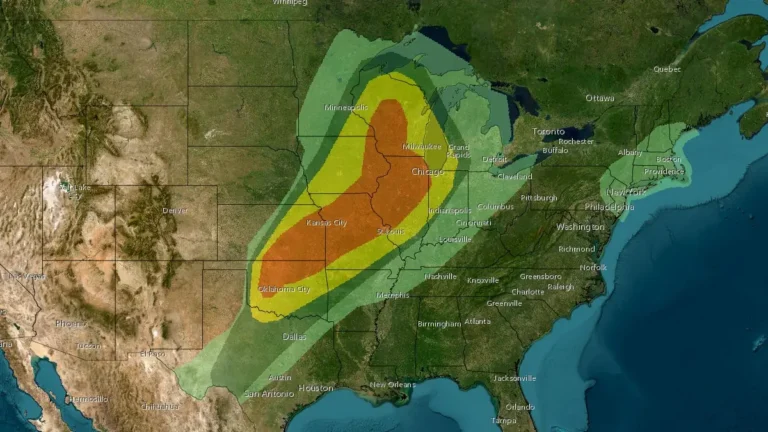
    A multi-phase severe weather event is expected to impact the central United States on April 17, 2026, from northern Oklahoma to Wisconsin, with an Enhanced Risk of severe storms in place. Initial supercells may produce strong tornadoes and large hail before transitioning into an organized system capable of widespread damaging winds and localized flash flooding.

  • Severe hailstorm damages hundreds of homes in Bắc Hà, Lào Cai Province, Vietnam

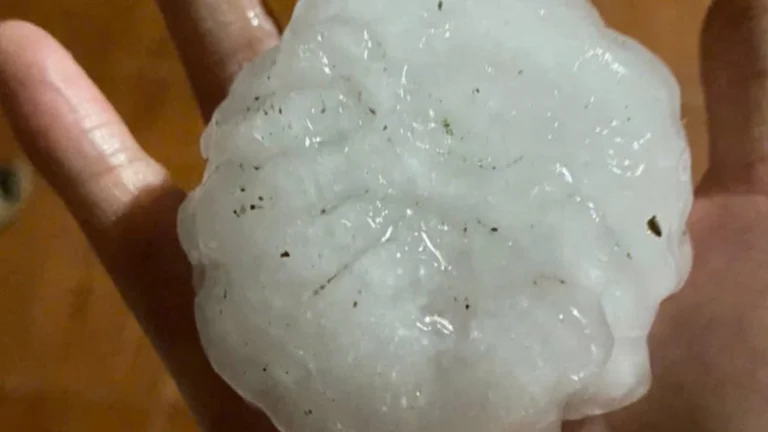
    A severe hailstorm struck Bắc Hà Commune, Lào Cai Province, Vietnam, in the early hours of April 16, 2026, damaging 338 homes, injuring four people, and affecting 485.5 ha (1 200 acres) of crops. The storm, which lasted about 20–30 minutes, produced large hail and strong winds that caused structural damage and economic losses exceeding VND 30 billion (USD 1.1–1.2 million).

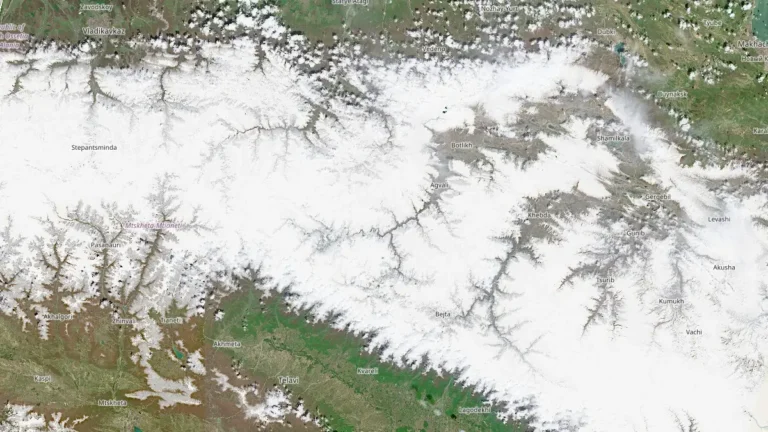
  • Landslide crisis intensifies in Dagestan with widespread damage in Dakhadayevsky and Levashinsky districts, Russia

    Multiple landslides struck mountainous districts of Dagestan, Russia, between April 12 and 16, 2026, destroying at least 17 homes, damaging dozens more, and forcing the evacuation of 178 residents in Dakhadayevsky district, while a separate very large landslide in Levashinsky district raised concerns over potential localized flooding. The events occurred amid an ongoing regional emergency driven by prolonged rainfall since late March.

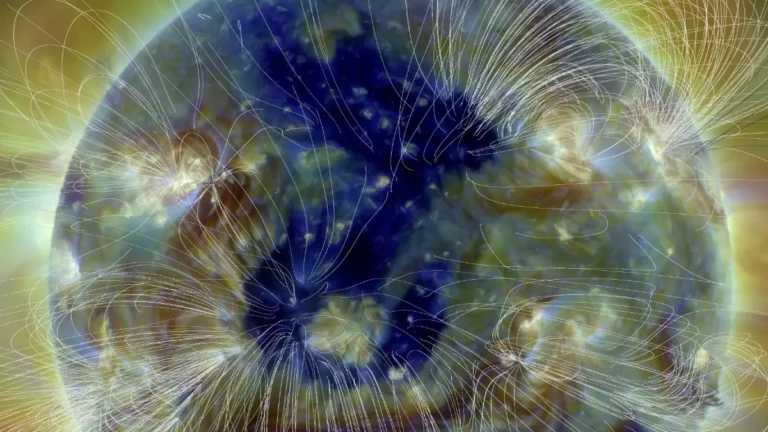
  • G2 – Moderate geomagnetic storm watch in effect for April 17 and 18

    A G2 – Moderate geomagnetic storm watch is in effect for April 17 and 18, 2026, due to an incoming coronal hole high-speed stream expected to enhance solar wind conditions by late April 17. The event could cause minor operational impacts on high-latitude power systems, satellites, and HF radio communications, while increasing the chance of aurora sightings across northern U.S. states.

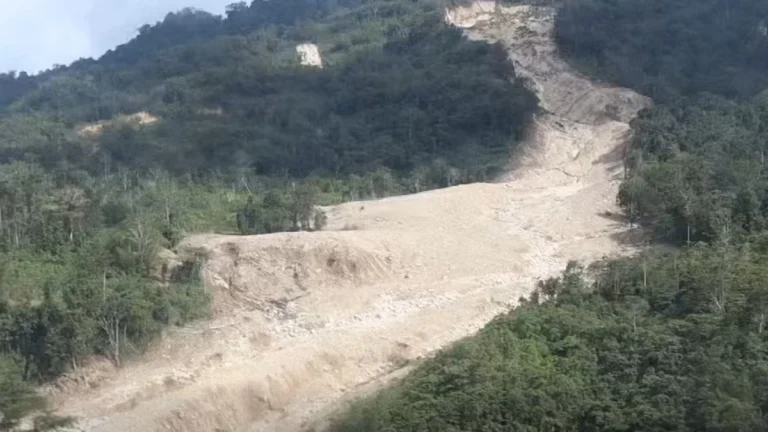
  • Remote Papua New Guinea landslide kills 10 after days of heavy rain and flooding brought by Cyclone Maila

    A landslide in the remote Lamarain area of Gazelle District, East New Britain Province, Papua New Guinea, killed 10 people after prolonged heavy rain linked to Tropical Cyclone Maila. Local community accounts said the victims had been sheltering in makeshift garden houses after flooding cut off access between their village and gardens.